Avengers: Doomsday entered production without a completely finished screenplay, and co-director Joe Russo says that was part of the filmmaking process rather than a sign that the production had no plan. In a September 2026 interview discussed by Variety, Russo described the script as something the directors expect to keep evolving while actors rehearse and scenes take shape.
The comments are particularly interesting because Avengers: Doomsday is one of Marvel’s largest ensemble films, bringing together characters from the Avengers, Fantastic Four, X-Men and other parts of the wider Marvel universe.
What did Joe Russo say about the Doomsday script?
Variety reported that Joe Russo defended the decision to begin production before every part of the screenplay was locked. His explanation was that he and Anthony Russo approach a script as a “living organism” that can change as the directors rehearse with actors and discover what performers bring to their characters.
That does not mean the movie began with no story. It means the directors distinguish between having the structure of a film and treating every line or scene as untouchable before the cast is in the room. According to Russo, some of the most useful creative discoveries happen when actors arrive and the filmmakers can test the material in rehearsal.
Why would a blockbuster change during production?
Large films often involve many moving parts: actor schedules, visual effects planning, location availability and connections to other movies. An ensemble project such as Doomsday adds another challenge because characters from different franchises need to interact in a way that still feels consistent with their previous stories.
Rehearsal can reveal whether a scene is too long, whether a joke fits a character, whether two performers have unexpected chemistry or whether an emotional beat needs more space. Directors can then adjust the screenplay while preserving the larger plot.
Why the Russo brothers’ process matters for Avengers
Joe and Anthony Russo previously directed Captain America: The Winter Soldier, Captain America: Civil War, Avengers: Infinity War and Avengers: Endgame. Those films required them to balance large casts while still giving individual characters clear emotional objectives.
Doomsday appears to increase that difficulty. The announced cast includes returning Avengers, Fantastic Four characters and actors associated with earlier X-Men films. A rigid script written before every performer was available could limit the directors’ ability to respond to how those characters work together on screen.
Does an unfinished script automatically mean production trouble?
No. The phrase “unfinished script” can sound alarming, but productions use different workflows. Some directors want a screenplay locked as early as possible. Others continue rewriting through rehearsals and shooting. The important distinction is whether changes are part of a controlled creative process or the result of a production that does not know what story it is telling.
Russo’s comments present the Doomsday rewrites as intentional. His argument is that actors can provide information the directors do not have when a script exists only on paper. The Russos then use those discoveries to refine scenes rather than treating the first completed draft as the final version of the movie.
What do we know about Avengers: Doomsday?
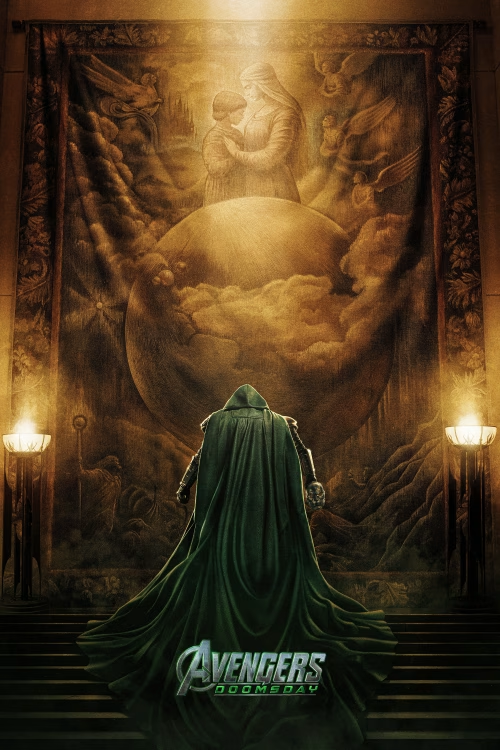
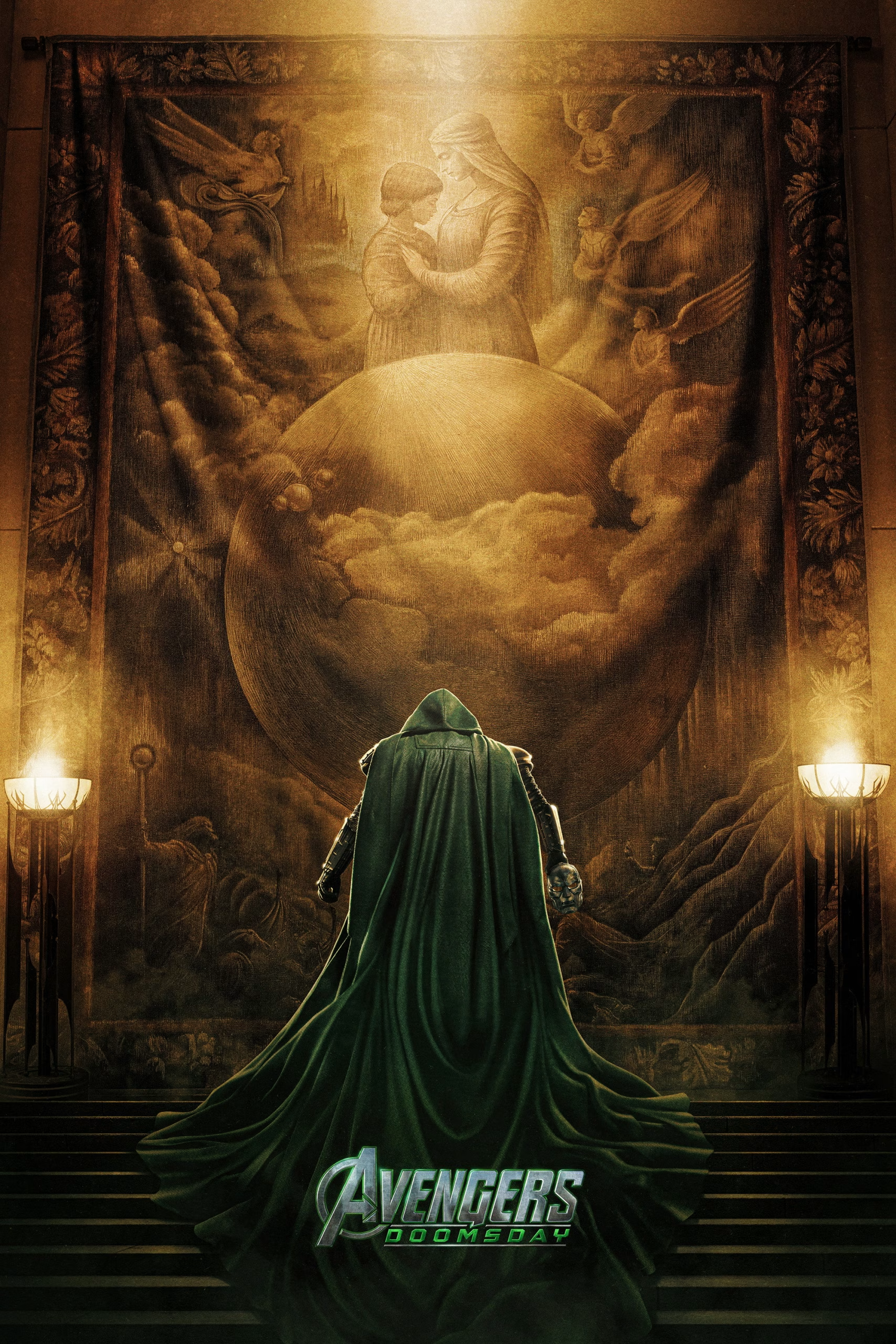
Peleza’s movie catalogue describes Avengers: Doomsday as a collision between heroes from three distinct universes facing an existential threat. Robert Downey Jr. appears as Victor von Doom / Doctor Doom, while the wider cast draws from several corners of Marvel’s film history.
The film is currently positioned as the next major Avengers event before Avengers: Secret Wars. Its scale means the story has to do more than introduce a villain. It also has to explain why heroes from separate worlds are brought into the same conflict and what Doctor Doom means for that larger multiverse story.
Why this could affect character moments
One advantage of the Russos’ flexible approach is that important interactions can be adjusted around the actors. A scene between long-running Marvel characters carries expectations that may not be obvious until the performers rehearse together. Allowing dialogue and pacing to change can help those meetings feel less mechanical.
The risk is that a project with so many characters could become overcomplicated if changes are not controlled. The directors’ previous Avengers films are likely to be the main reason Marvel is comfortable with their process: they have already managed ensemble stories at a similar scale.
Follow Avengers: Doomsday on Peleza
Visit the Avengers: Doomsday movie page for Peleza’s current title information and connected coverage. As the December release approaches, additional news and guides can be linked directly to the movie through the Stories & Guides system.
What an evolving script means for a visual-effects-heavy movie
A flexible screenplay does not mean every part of a production can remain undecided until the last minute. Large visual-effects sequences require planning, previsualisation and coordination across many departments. The practical challenge is deciding which parts of the movie need to be locked early and which character scenes can remain open to rehearsal-driven changes.
That balance is particularly important for Doomsday because a scene may involve performers who are physically present together, characters represented partly through visual effects, and environments that will be completed months after filming. Changes to dialogue are much easier than rebuilding an entire effects sequence, so the directors’ “living” approach still has to operate inside technical limits.
What fans should take from Russo’s comments
The most useful takeaway is that the Russos expect the finished movie to be shaped by performance rather than produced as a rigid translation of an early script draft. That approach can be valuable in an ensemble film where so much of the audience’s interest comes from seeing familiar characters interact for the first time.
At the same time, the comments should not be treated as proof that every rumour about story changes is accurate. The directors confirmed a flexible writing process, not specific plot revisions. Until Marvel releases more official information, claims about which characters were added, removed or rewritten should still be treated separately from the confirmed production comments.
Source: Variety Australia reported Joe Russo’s comments on September 3, 2026. Read the original Variety report.