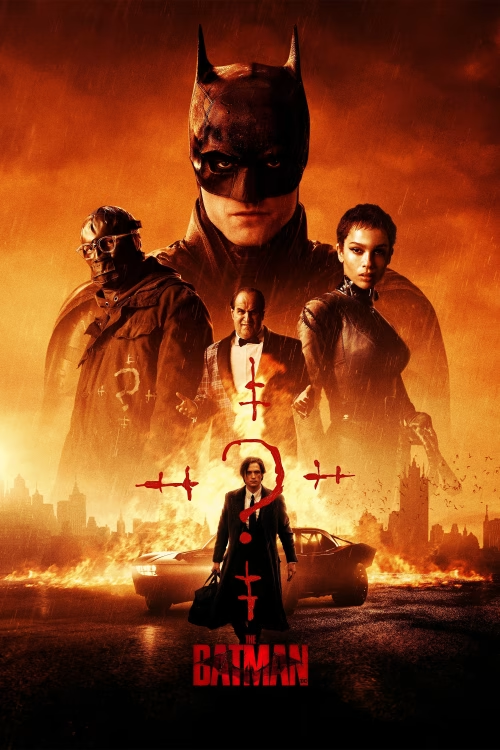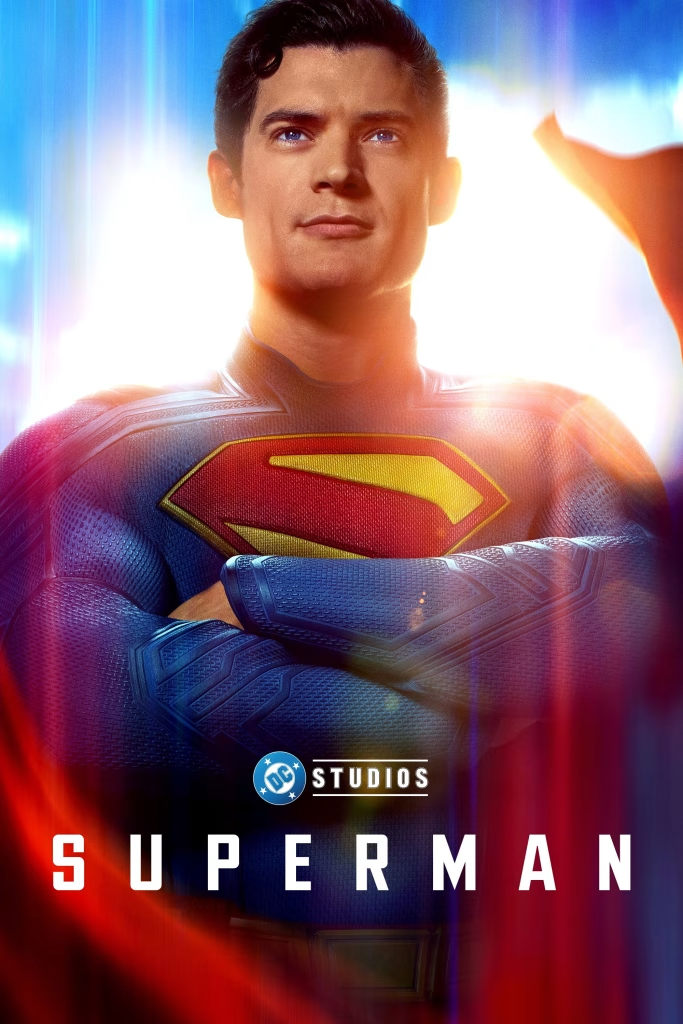
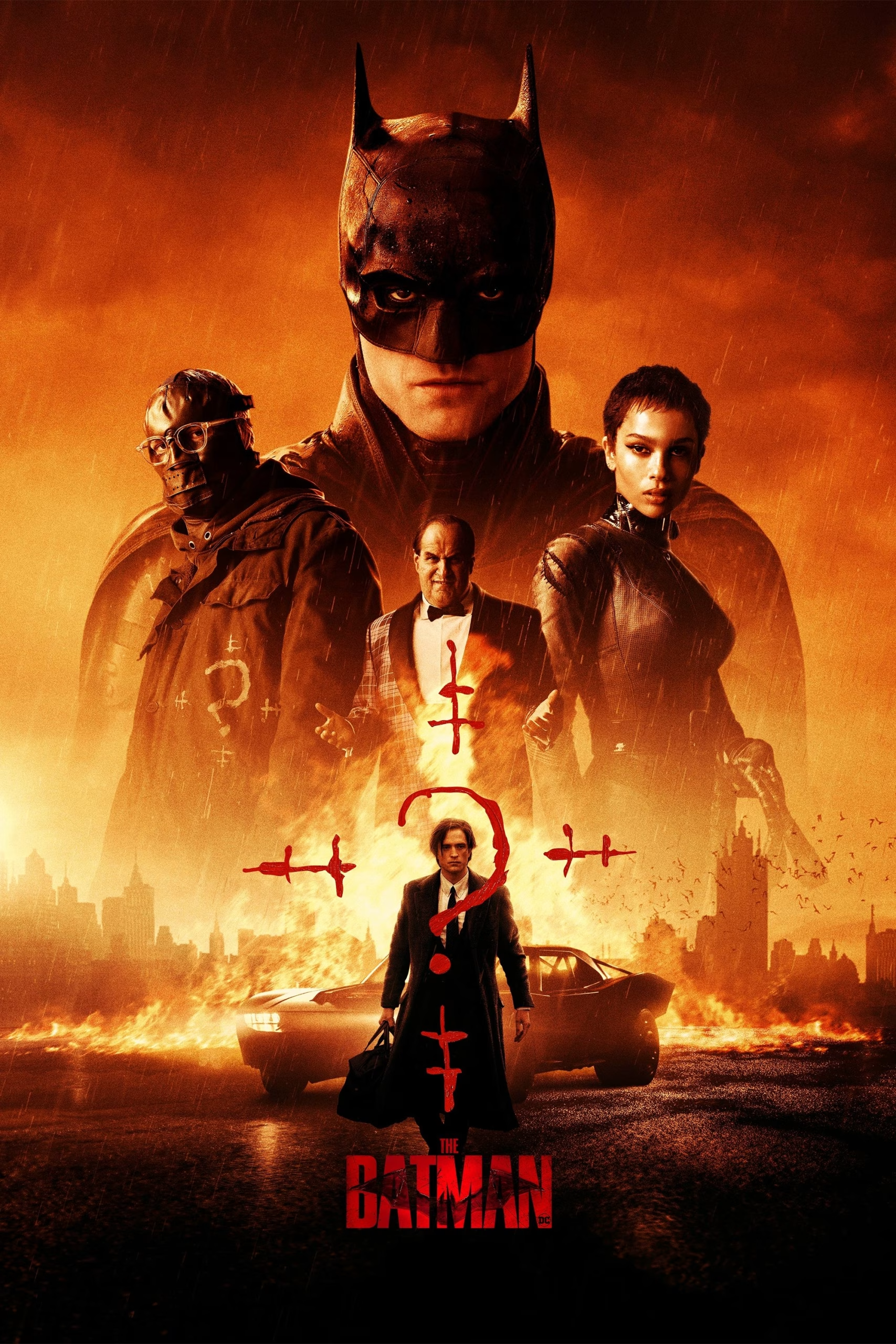
Robert Pattinson has weighed in on one of the biggest questions around DC’s current screen universe: whether Matt Reeves’ The Batman could comfortably be folded into the wider DCU being built around James Gunn’s Superman. In a recent Deadline report, Pattinson said he thinks integrating Reeves’ darker Batman world into Gunn’s connected continuity would be “tough,” reinforcing the idea that the two franchises are still being treated as distinct creative spaces rather than parts of one immediate crossover plan.
Pattinson’s Batman is still operating in a separate world
Matt Reeves’ Batman films were developed with their own visual language, tone and supporting mythology. The existing The Batman movie page on Peleza Stream reflects a version of Gotham built around crime, corruption and detective storytelling rather than the broader superhero structure now developing elsewhere in DC.
That distinction matters because shared universes are easiest to build when the rules of the worlds already point in the same direction. Reeves’ Batman has deliberately kept its focus grounded, while the new DCU openly includes aliens, metahumans and much larger science-fiction concepts.
Why a crossover is not as simple as putting two heroes in the same scene
A Batman and Superman meeting sounds straightforward from a franchise perspective, but the storytelling challenge is larger. Audiences have to believe that both versions belong in the same reality. A Gotham built to feel almost like a crime thriller may need careful adjustment if it suddenly shares space with a Superman story featuring cosmic threats and a much wider superhero community.
Pattinson’s comment points to that tonal challenge. It does not mean a crossover can never happen, only that a direct merge would need a convincing creative reason rather than being treated as an automatic next step.
James Gunn’s Superman already defines the newer DCU
The current Superman page on Peleza Stream represents the other side of the comparison. Gunn’s version operates inside a world where superheroes are already part of the public landscape and where the mythology is intentionally broader.
That makes Superman a natural foundation for a connected DC universe, while Reeves’ Batman can continue working as a separate franchise with its own identity. Keeping both approaches alive allows Warner Bros. and DC Studios to support different kinds of superhero films without forcing them into one tone.
The Batman: Part II remains its own major project
Pattinson is continuing with Matt Reeves’ Batman sequel, which has been in production in London. The sequel has been developed as the continuation of the world established in The Batman, not as a bridge into the main DCU.
That matters for viewers because it means the next Batman film can concentrate on the unresolved relationships, criminal structures and personal consequences from Reeves’ first movie instead of spending time explaining a larger shared continuity.
Separate universes can protect creative identity
Shared universes can create excitement, but they can also place pressure on individual films to serve larger franchise plans. A separate continuity gives filmmakers more freedom to decide which characters exist, how realistic the world should feel and what kind of threats fit the story.
For Reeves’ Batman, that creative freedom is especially important because atmosphere is a major part of the appeal. Gotham feels specific because the films do not need to constantly account for every other DC hero operating elsewhere.
Could the two worlds still connect later?
Nothing about Pattinson’s comment creates a permanent rule. Studio strategies change, audiences respond to new films, and comic-book adaptations have many ways to explain parallel worlds or alternate continuities. A crossover could become possible if filmmakers find a story that justifies it.
For now, however, the safer interpretation is that viewers should treat Pattinson’s Batman and Gunn’s Superman as separate experiences rather than expecting an immediate team-up.
What this means for DC viewers
The practical result is actually simple. You do not need to watch Superman in order to understand The Batman, and you do not need to treat every new DC release as one chapter of the same storyline. That can make both franchises easier to approach.
If you prefer grounded crime and detective storytelling, the Reeves films can stand on their own. If you prefer a wider superhero universe, the newer DCU provides that structure through Superman and its connected projects.
Why this separation may help both franchises
Running two different interpretations at the same time can sound confusing, but clear branding can turn it into an advantage. Audiences already understand that comic characters can have different versions across animation, games and film. The key is making each project confident about which world it belongs to.
That allows Pattinson’s Batman to remain focused on Gotham while Superman continues expanding the larger DCU without either franchise needing to compromise its core tone.
Read the existing Peleza Stream title pages
For the catalogue side of the story, visit the existing The Batman and Superman pages on Peleza Stream. Those title entries provide the stored movie information, while this news article covers the latest discussion around whether the two screen worlds are likely to connect.
Source and context
This article is based on Deadline’s September 2026 report covering Pattinson’s comments about the difficulty of fitting Matt Reeves’ Batman into James Gunn’s DCU. Pattinson’s remarks describe his view of the creative fit; they should not be read as an official announcement that a future crossover has been permanently ruled out.