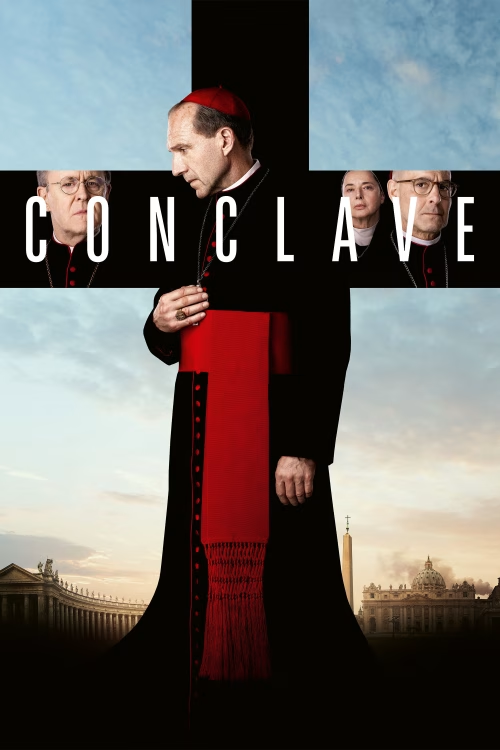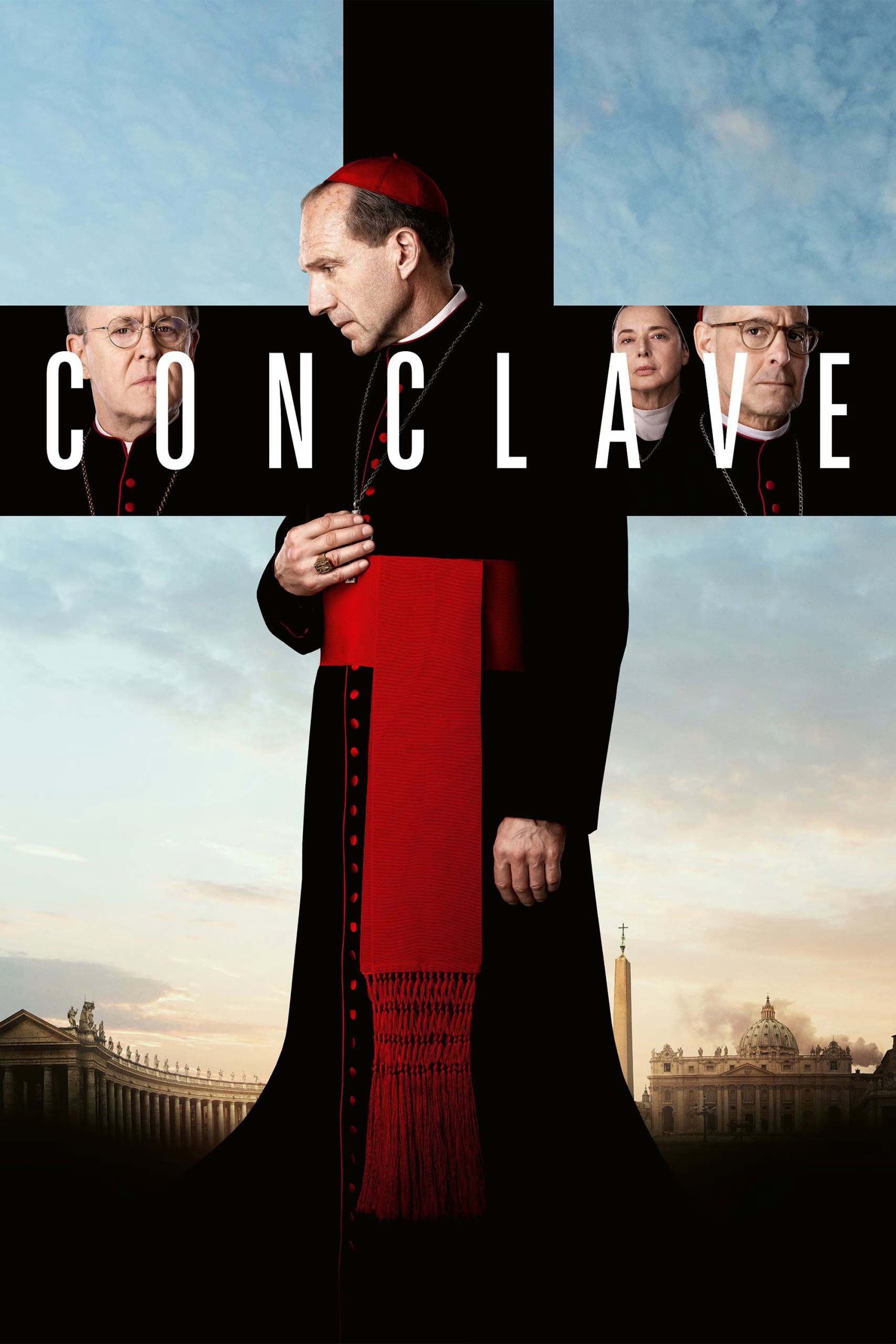
Conclave turns a closed-door election into an unusually tense drama about authority. The setting is deliberate: people entrusted with a major institutional decision gather under procedures that are meant to protect the integrity of the choice, yet every participant brings a history, a worldview and personal relationships into the room. That tension makes the film compelling without requiring conventional action spectacle. A private vote might look like an orderly mechanism for selecting a leader, but the process also exposes how people understand duty, loyalty and their own ambitions. This analysis examines the dramatic questions without revealing the film’s key turns.
Secrecy creates pressure rather than removing politics
A secret ballot can reduce certain kinds of public intimidation because each participant makes a choice without announcing it to a crowd. Yet secrecy also creates uncertainty. Candidates and their supporters cannot reliably measure how colleagues will vote, and a private conversation may have several meanings. In a drama, that uncertainty becomes an engine for suspense: what matters is not simply the number of votes but the difference between what people believe and what others intend. The audience is invited to listen closely to cautious language and incomplete explanations. Secrecy protects the process in one sense while creating fertile ground for suspicion in another.
An institution’s values become personal tests
Formal organizations describe their decisions through principles such as service, continuity and responsibility. Those principles are meaningful only when individuals must choose between them and immediate advantage. A participant might publicly value humility while privately worrying about influence, reputation or a perceived threat from a rival. The drama is strongest when contradictions emerge through behaviour rather than through obvious declarations of villainy. Watch the gap between how characters justify their preferred outcome and the practical effect that outcome would have on people they know. Institutions do not make decisions independently of human beings; they create frameworks within which people reveal their priorities.
Leadership can be a burden rather than a reward
Political dramas often present power as a prize that ambitious characters seek. A religious election introduces another possibility: authority may be understood as an obligation to carry responsibility for others. The tension between those models complicates the conventional question of who deserves to win. A person who looks confident may not be prepared to shoulder the duty, while someone reluctant to lead may possess valuable judgment. Neither reluctance nor confidence proves virtue by itself. The film encourages attention to what each character seems to understand about the position and whether they imagine leadership as service, influence or personal vindication.
A conversation can function like an action scene
The film’s closed setting makes spoken exchanges unusually consequential. A character may gain or lose influence through a carefully chosen phrase, a refusal to answer or a moment of silence. In this kind of drama, information has the function that physical movement holds in an action movie. A revelation can alter every participant’s calculation without anyone leaving the room. Good dialogue in such scenes operates on more than one level: what is said, what is withheld and why the listener interprets it in a particular way. Pay attention to changes in tone after a seemingly minor detail becomes known. Those shifts often do more dramatic work than speeches.
The setting concentrates the moral stakes
A limited physical environment can make an ensemble feel trapped within its own rules. Hallways, chambers and private rooms become spaces where reputations change according to who is present. The confined setting also focuses the audience’s attention on faces and relationships rather than on a series of new locations. That concentration is especially useful for a story about procedure: the same place can feel reassuring when rules are clear and threatening when trust begins to erode. Cinematography, sound and production design help communicate that shift. The location is not simply decorative; it makes the process of decision-making feel inescapably collective.
Procedures cannot replace judgment
Clear rules are necessary for a legitimate vote, but even a detailed procedure cannot eliminate the need to interpret evidence or understand motivation. Participants may follow every formal step while disagreeing sharply about what a good outcome requires. This is where the story’s ethical dimension emerges. Respecting a process and believing its result will be wise are related but different commitments. When new information arrives, characters must decide whether it changes their view of a person or only their tactical preference. The viewer is not obliged to adopt any character’s judgment. The tension lies in recognizing that rules can guide difficult choices without making them emotionally easy.
Ambiguity invites the audience to evaluate claims
A thoughtful political thriller resists handing viewers a simple checklist of honest and dishonest figures. One participant might make a sincere argument that also benefits their position. Another may be correct about a fact but mistaken about its significance. The audience has to distinguish motivation from evidence and information from interpretation. That is an unusually useful form of suspense, because it asks how decisions are made when certainty is incomplete. If an apparent contradiction emerges, consider what each speaker actually knows at that point in the story. The strongest conflicts are rooted in plausible differences of knowledge and obligation rather than arbitrary reversals.
A useful way to watch this election drama
Before viewing, avoid reading explanations of the final vote or the film’s major revelations. Instead, watch the changing balance between duty, institutional identity and personal strategy. Notice when a decision is described in moral language and whether the behaviour supporting it matches the claim. Look for how private conversations change the meaning of public commitments. For title information, see the Conclave catalogue page; for additional cinema criticism and background, browse Peleza Stream Articles. The catalogue supports discovery, while viewing availability depends on licensed providers in your region.
Final perspective
The lasting interest of Conclave is not only who receives authority. It is the question of how people can make consequential choices while preserving both institutional responsibility and personal integrity. A secret election provides a contained structure, but the decisions within it expose familiar human conflicts. The film becomes more rewarding when viewed as a study of judgment rather than merely a competition with one eventual winner.