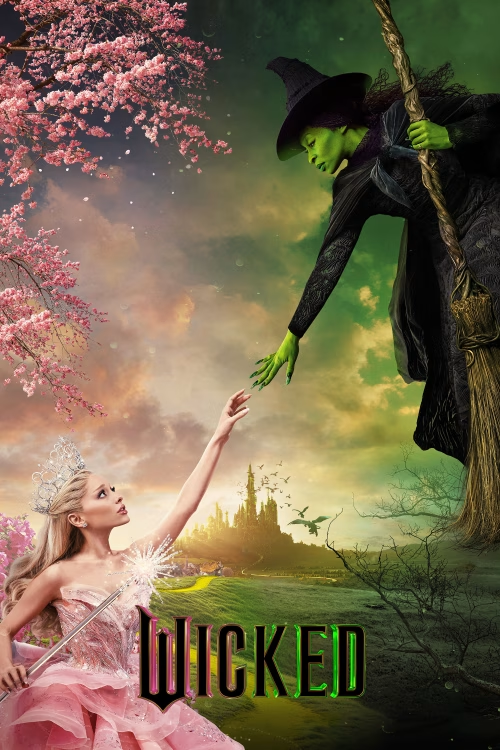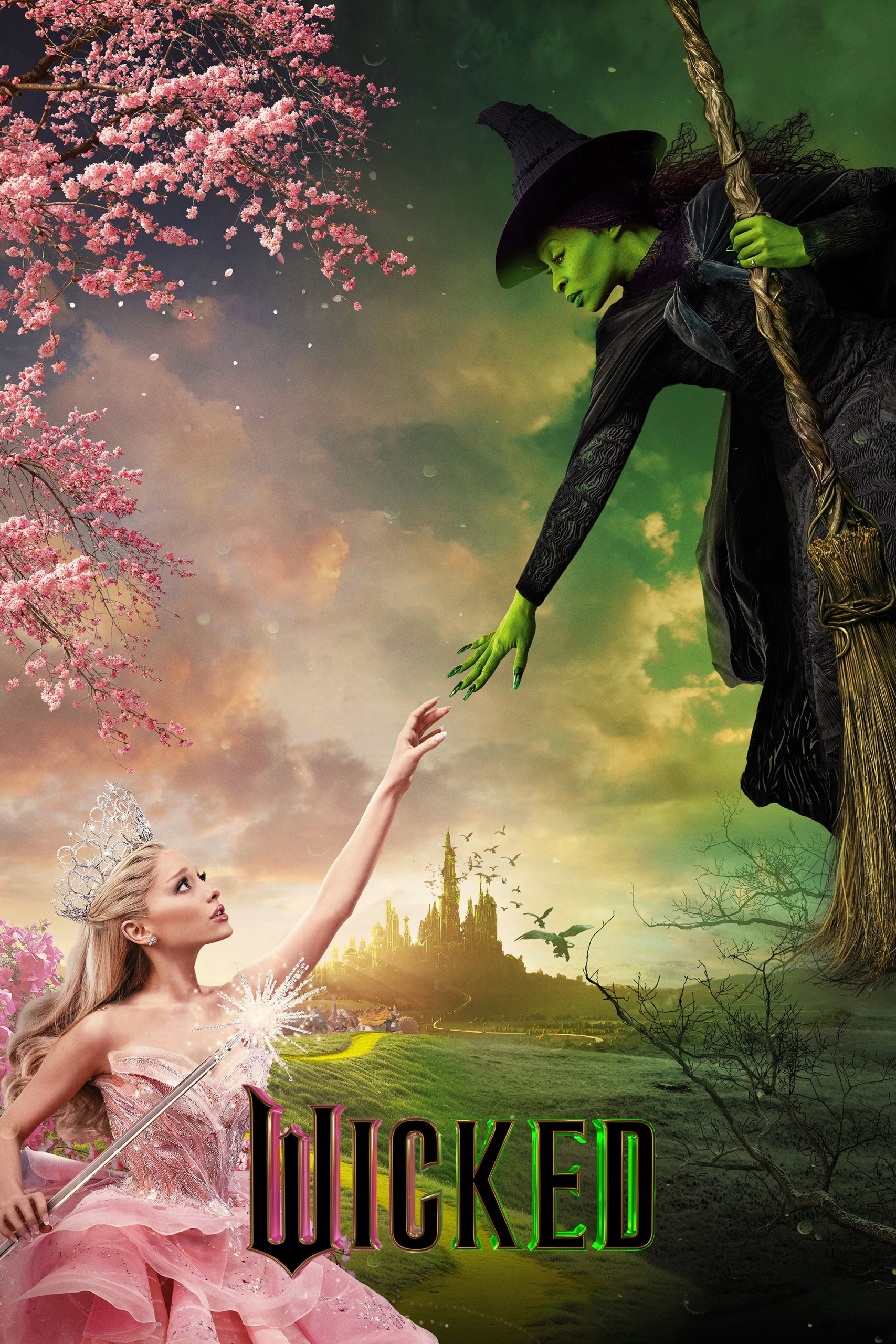
Wicked begins from a world in which Elphaba’s green skin marks her as different, while Glinda’s popularity creates a very different set of expectations. Their arrival at Shiz University places both within social rules that reward certain appearances and behaviours. The premise invites viewers to question why a person becomes associated with a moral label before their decisions have been properly examined. A reputation can grow through gossip, family stories or institutional messaging. The film’s interest lies in whether characters accept those reputations as facts or begin to recognize the individual behind the description.
Friendship is most revealing when values differ
An unlikely friendship works best when the characters do not become identical. Elphaba and Glinda can disagree about what matters, how to respond to authority or how much social approval should influence a decision. Their connection becomes meaningful because each encounters a viewpoint that challenges familiar assumptions. A supportive friend need not approve every choice, and disagreement does not automatically eliminate care. The relationship gains dramatic depth when personal loyalty becomes complicated by wider social pressure. Watching those choices is more rewarding than reducing the characters to a simple opposition between a serious outsider and a fashionable insider.
Popularity can function like an unofficial institution
A student who is admired by classmates may gain influence without holding a formal position. Others follow their lead, repeat their assumptions and adjust behaviour to maintain access to the same social group. Such influence can help someone advocate for a friend, but it can also make dissent costly. Wicked’s school setting provides a recognizable environment for exploring this difference. Notice when a character receives attention because of an actual achievement and when others defer to reputation alone. Social standing can become a source of power whose rules are difficult to challenge precisely because nobody has written them down.
The definition of goodness may serve those in charge
Moral terms can be used sincerely, but they can also protect an established distribution of influence. An authority figure may describe obedience as virtue and disagreement as evidence of trouble. That leaves little room for a person whose conscience leads them to ask an inconvenient question. Wicked can explore whether publicly recognized goodness is the same as acting responsibly toward someone who lacks social standing. The distinction invites viewers to judge choices through their consequences rather than through a familiar title. A character celebrated as good may still be uncertain, and someone feared may have reasons that deserve attention.
Music expresses conflict that conversation cannot contain
Musical storytelling allows a character to reveal hopes and contradictions through rhythm, melody and performance. A song can transform a private feeling into a public declaration or place two characters’ conflicting desires within one sequence. The best musical numbers do not interrupt the plot merely to supply a spectacle. They change how the audience understands what someone wants and what they are prepared to risk. Physical movement and staging can make social divisions visible, especially when a character chooses to stand apart from a crowd. The music becomes a language for emotions that ordinary dialogue might not capture with the same intensity.
An outsider may see rules others take for granted
A person who does not receive the benefits of a social system may recognize its unfairness more clearly than somebody who has always been rewarded by it. That observation does not make every outsider automatically correct, but it gives their questions urgency. Elphaba’s difference can expose assumptions that popular characters have rarely needed to examine. Her perspective becomes especially meaningful if she refuses to treat rejection as proof that the community’s judgment is valid. A story about exclusion can therefore become a story about moral independence: the willingness to test an accepted rule against the experiences of people harmed by it.
Adaptation carries expectations from a familiar world
Oz has a long cultural history, giving viewers ideas about witches, labels and the difference between good and evil before this story begins. An adaptation can benefit from that familiarity while re-examining it. A name that seems to announce a person’s moral identity may acquire a more complicated meaning when their relationships and choices receive attention. The challenge is to provide emotional clarity for viewers who know the wider mythology and those who do not. Recognizable imagery should enrich the story rather than substitute for an understandable character conflict. Wicked’s university setting provides a useful beginning for that process.
What to notice beneath the spectacle
Pay attention to who gets to describe another person’s character and whether those claims are supported by observable behaviour. Compare the friendship’s early assumptions with later disagreements, and listen for moments when the music expresses something a character cannot say openly. Ask whether loyalty requires silence or can include challenging an unfair decision. The Wicked movie catalogue page provides title information, while Peleza Stream Movies offers other musicals and fantasy stories. Licensed platforms determine regional playback availability.
Why the social setting matters
A school or other prestigious institution can create the appearance that its judgments are neutral. Students may assume that admission, popularity or approval reflects personal merit alone, even when appearance and connections influence their treatment. By placing characters with different experiences in the same environment, a film can reveal those hidden assumptions without requiring an outside narrator. A shared classroom or performance can become a test of how readily people revise their expectations. The question is not whether every student behaves perfectly, but whether the community permits learning when an individual challenges its usual categories.
Final perspective
Wicked draws its emotional power from the distance between a person’s public label and their private choices. Elphaba and Glinda’s relationship gives that tension a human scale, while the musical form allows their competing hopes to feel immediate. The story asks whether goodness is a reputation others award or a responsibility someone accepts when popularity offers an easier alternative.