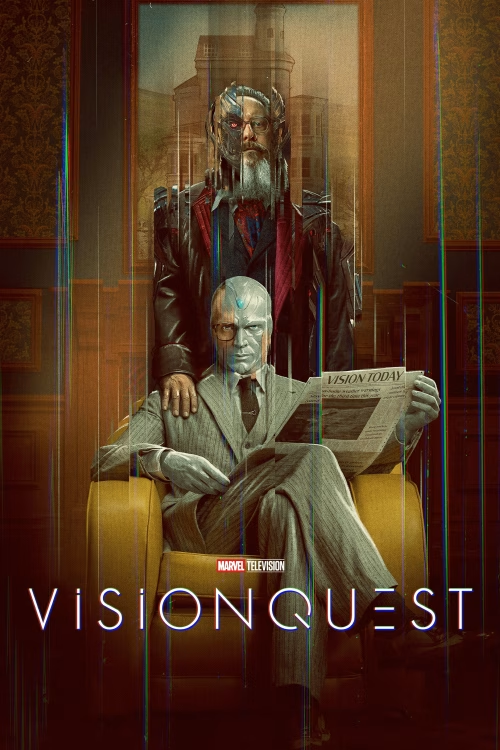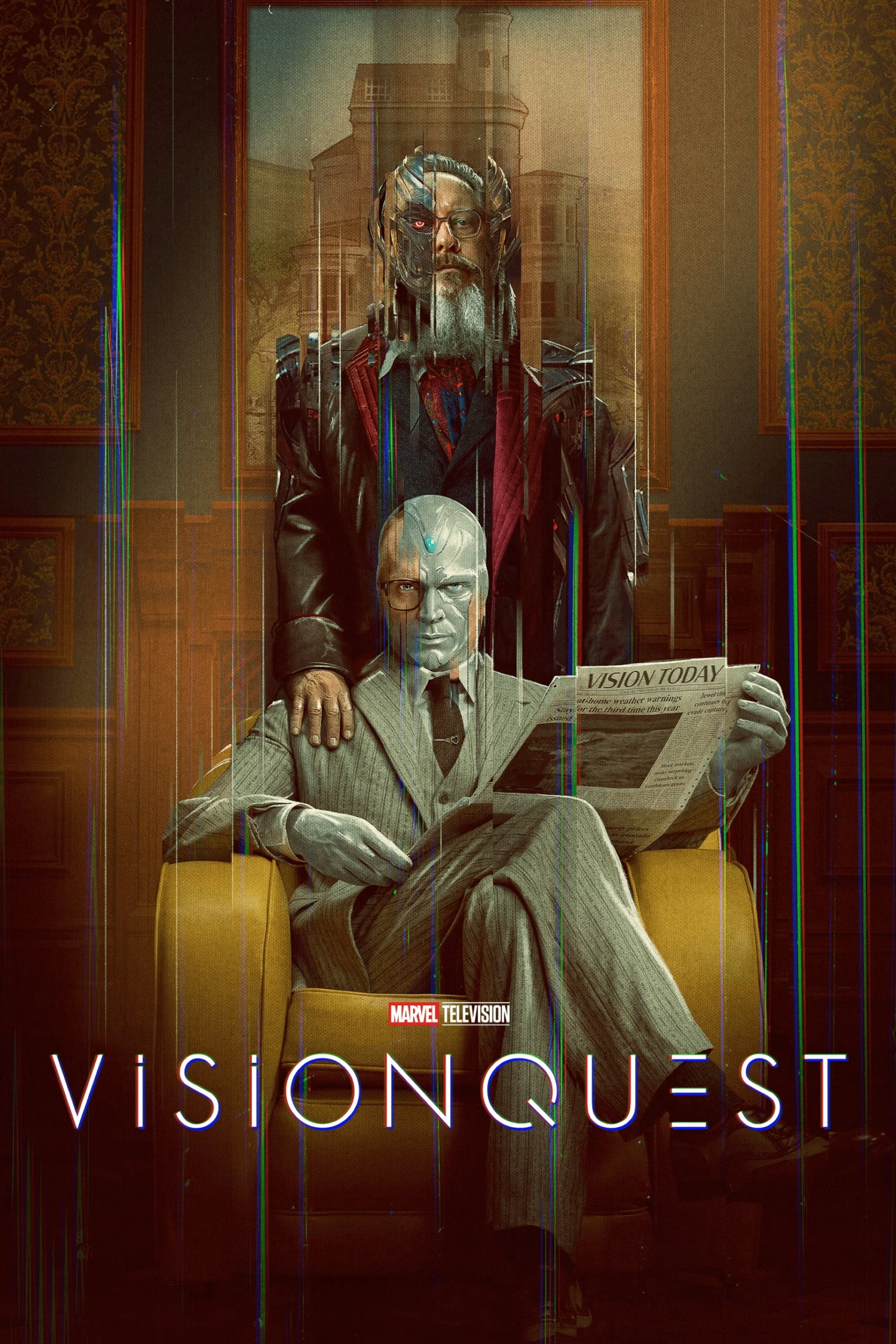
The Marvel character Vision is associated with intelligence, synthetic embodiment and intimate relationships. A story titled VisionQuest can use those qualities to ask a deceptively simple question: if a being is reconstructed, what makes the result the same person? Replacing damaged components might restore functions, but identity involves history, recognition and the choices made through lived experience. A technically successful reconstruction need not resolve the feelings of those who knew the previous version. Science-fiction drama becomes more persuasive when it treats the process as both a practical achievement and an emotional problem that characters cannot solve through engineering alone.
Memory is information and personal meaning
A recorded memory may accurately describe an event while leaving open what that event means to the person recalling it. Human relationships are shaped not only by facts but also by associations, commitments and changing interpretations. For a synthetic character, the possibility of transferring or recovering memories makes this distinction especially important. A catalogue of experiences does not automatically reproduce the feelings attached to them, and other people may struggle with a familiar face that responds in unfamiliar ways. The story can explore that tension through small exchanges rather than complex technical explanations. A promise remembered intellectually may not be the same as a promise felt as an ongoing obligation.
Other people help shape identity
A person does not define themselves entirely in isolation. Friends, colleagues and loved ones carry memories and expectations that influence how they respond. If Vision is seen as returning, some characters may hope for familiar behaviour while others recognize that the circumstances have changed. Their reactions can either help a new identity develop or impose a role that no longer fits. The question of personhood becomes social as well as philosophical. Does someone deserve trust because of an earlier version’s actions? Should they bear responsibility for choices they cannot remember in the same way? A thoughtful series can resist giving every character a simple answer.
Artificial intelligence creates a distinctive moral problem
Stories about constructed minds often focus on whether an intelligence can solve difficult calculations or defeat a threat. A richer question is whether it can be regarded as an individual with interests worth respecting. Characters may speak of a synthetic being as property, equipment or a former companion, and each description carries assumptions about rights and obligations. Vision’s history allows those categories to collide. A dramatic conflict could arise even without an external enemy if different institutions disagree about who can decide his future. The story becomes meaningful when decisions about a body and mind are treated as questions of consent and responsibility, not just hardware management.
Ultron’s shadow complicates the question of control
The Marvel universe associates artificial intelligence with both powerful assistance and serious failures of control. Connections to earlier technological threats can create legitimate anxiety around a rebuilt synthetic being, even when the individual has shown compassion. Fear may lead people to demand safeguards that the character experiences as restrictions on autonomy. These competing perspectives deserve consideration. Responsible precautions and unjust prejudice can sometimes look similar from a distance. A series can explore whether trust should be earned through observed behaviour, verified systems or the judgment of people who know the character personally. The difficulty lies in protecting others without treating the individual as a permanent suspect.
An internal quest still needs visible choices
A search for identity can sound abstract, so visual storytelling must translate it into concrete decisions. A character might choose to visit a familiar location, keep an old object or refuse a role that others insist belongs to them. Such actions make the philosophical issue understandable. The audience can see how a person negotiates continuity and change through the things they do. For a synthetic character, even ordinary gestures can carry emotional significance when they reveal how an old memory shapes a present choice. The story does not need to prove a universal theory of consciousness. It needs to show why the uncertainty matters to the people involved.
A continuation should not exist only to reset the past
Connected franchises sometimes bring familiar characters back in ways that reduce earlier consequences. A satisfying continuation instead acknowledges what has changed. Even if a body or name resembles an earlier version, relationships and public understanding may have moved on. New conflict can emerge from that gap rather than erasing it. The narrative should allow the character to form fresh commitments without requiring every previous bond to resume exactly as it was. In this way, the series can reward continuity while preserving the emotional weight of earlier choices. Rebuilding becomes a beginning with history, not a convenient button that restores everything to a former state.
A spoiler-conscious viewing approach
While following VisionQuest, distinguish between what the protagonist remembers, what others tell him and what his current actions demonstrate. Notice whether characters use words such as restored, new or original as descriptions or as attempts to control expectations. Look for the consequences of those assumptions in relationships. The VisionQuest catalogue page provides title details, and the Peleza Stream series library offers more speculative television. Specific release information and viewing rights must be confirmed through official providers.
Closing perspective
VisionQuest has an opportunity to make a familiar superhero question unexpectedly intimate. A repaired body and recovered information do not necessarily settle who a person is or what others may ask of them. Identity emerges through memory, relationships and present choices. The most rewarding story would allow those elements to remain complicated while giving the protagonist the space to define a future that is neither a total break from the past nor a simple copy of it.