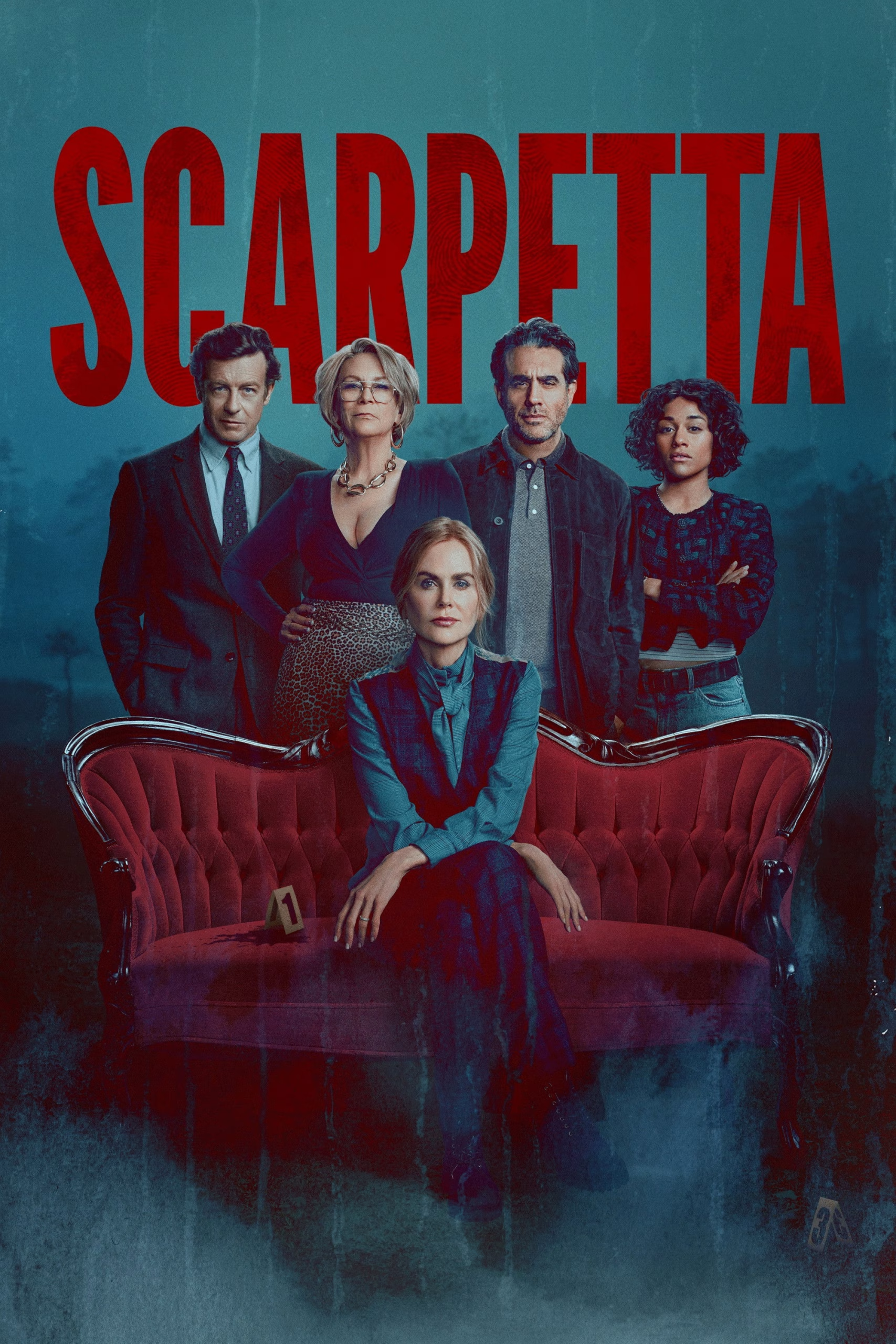
Scarpetta follows forensic pathologist Dr. Kay Scarpetta, whose new investigation recalls a significant case from earlier in her career. The medical examination of a death can provide important facts about injury and physical processes, but it cannot by itself establish every motive or relationship involved. This distinction is the foundation of credible forensic crime storytelling. The expert’s task is to interpret physical evidence with care and explain what can reasonably be concluded. Drama grows when those findings challenge assumptions held by investigators or people connected to the victim, rather than when science appears to deliver a complete answer instantly.
Returning to a profession involves unfinished history
A character who returns to a demanding leadership role may bring confidence earned through years of experience along with memories of earlier uncertainty. A present case that resembles a formative investigation can complicate this return. Familiar details may trigger useful recognition, but they can also encourage premature conclusions. The story becomes compelling when Scarpetta must decide whether a similarity is genuine evidence or simply an uncomfortable echo of the past. Professional maturity includes resisting the desire to make new facts fit an earlier explanation. That struggle can reveal character through the discipline of an investigation.
Expertise carries a duty to communicate limits
Forensic specialists often need to explain complex findings to colleagues whose training differs from their own. A responsible explanation distinguishes what has been observed from what remains uncertain. A pathology report might establish a physical condition while leaving questions about timing or intent open. Crime dramas sometimes turn an expert into an infallible problem solver, but uncertainty can be more dramatic. A character who refuses to exaggerate a conclusion may frustrate others while protecting the integrity of the investigation. Scarpetta’s professional authority becomes meaningful when it includes the courage to acknowledge the boundaries of her knowledge.
Different agencies can see the same case differently
A forensic pathologist, detective and federal investigator may work toward related goals while possessing distinct responsibilities. Their sources of evidence and professional priorities can lead to disagreements that are substantive rather than personal. A detective might be focused on witness accounts, while a medical examiner concentrates on the significance of an injury. Cooperation requires the disciplines to inform one another without forcing a predetermined explanation. Scarpetta’s connections with investigative colleagues create opportunities to explore trust built through professional experience and challenged by new information.
The past can influence the interpretation of the present
A dual-period crime narrative can place earlier decisions alongside their long-term consequences. Viewers may learn how a professional relationship developed or why one detail carries emotional significance for the protagonist. Yet past and present should not be treated as interchangeable sources of truth. A memory may be sincerely held while remaining incomplete. The series can create suspense when an old assumption is tested against new evidence. Such structure rewards careful attention because a scene from years earlier may explain why somebody reacts strongly without proving that their current theory is correct.
Victims should remain more than collections of clues
Forensic storytelling risks treating a deceased person solely as evidence for an intellectual puzzle. A more thoughtful approach recognizes that the investigation concerns a life with relationships and dignity. The way professionals communicate with families and describe uncertainty can help show that responsibility. A case may be technically fascinating while carrying painful consequences for people who knew the victim. Those emotional stakes do not need to distort the scientific work; they explain why accuracy matters. A mistaken conclusion can affect grief, reputation and trust in institutions long after a particular laboratory question has been answered.
Procedural suspense can grow from small revisions
A significant discovery does not always arrive as a dramatic revelation. It may emerge when someone rechecks a finding, compares a document with a physical observation or recognizes that an earlier interpretation was incomplete. Such moments can create suspense because they change the direction of the investigation. The audience feels progress when each new step is logically connected to what came before. This is more satisfying than presenting an unexplained piece of miraculous technology at the climax. A credible medical mystery allows characters to solve problems through expertise, persistence and collaboration while recognizing that some questions cannot be answered with certainty.
How to watch the investigation critically
Notice when a character states an observation and when they offer an inference. Ask whether a new detail genuinely supports a theory or merely resembles an earlier case. Look for how Scarpetta and her colleagues respond when their professional judgments conflict. The Scarpetta catalogue page provides series details and Peleza Stream Series offers other crime dramas. The programme is fictional entertainment; its forensic procedures should not be treated as medical or legal instruction.
Why the question of trust extends beyond the lab
Physical evidence may be examined through established procedures, but the people interpreting it must still work within institutions and personal relationships. An experienced expert can become impatient with a colleague who has different priorities, while a less senior investigator may hesitate to challenge an admired professional. The resulting power difference can influence which explanations receive attention. A strong drama shows how a careful team makes disagreement possible without abandoning standards. Scarpetta’s work becomes most meaningful when the investigators remain open to correction even in a case that seems to revisit a painful part of their own history.
Final perspective
Scarpetta can bring a distinctive rhythm to crime television by connecting forensic evidence with a character’s professional past. The central tension is not simply who committed an offence, but how people can reach responsible conclusions when memories, institutions and physical findings do not point neatly in the same direction. Accuracy becomes an ethical obligation as well as a practical tool.