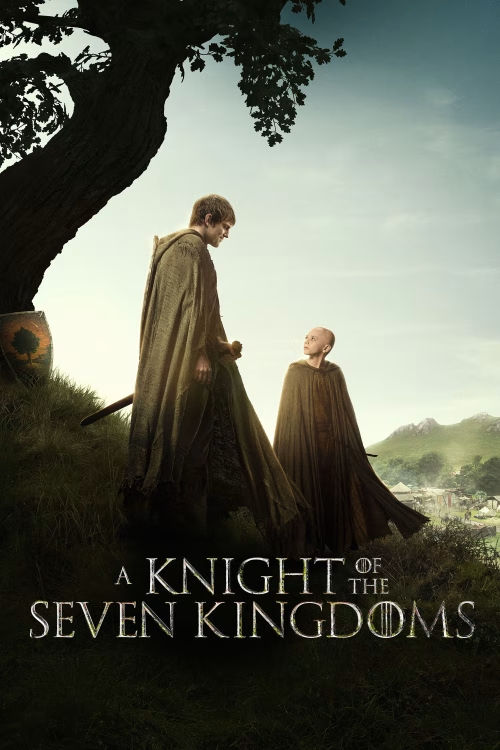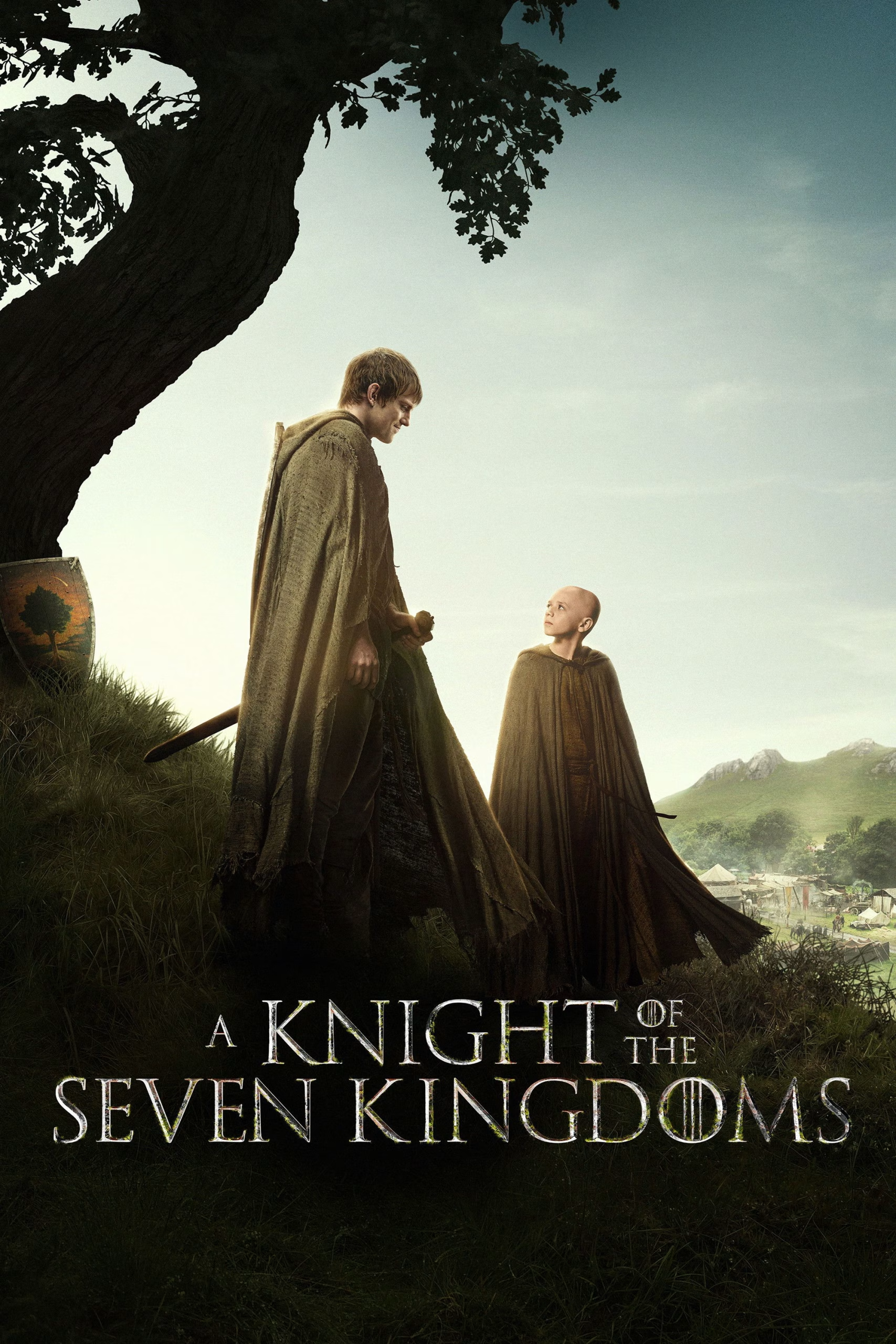
A Knight of the Seven Kingdoms follows Ser Duncan the Tall and his young squire Egg in a Westeros that predates the events of Game of Thrones. The premise offers a different view of the same fictional world. Rather than beginning with the leaders of powerful houses, it can explore how large political structures shape the daily lives of people travelling through them. A road, inn or tournament can become dramatically significant without threatening the entire realm. That smaller scale does not automatically reduce the stakes. For characters without unlimited resources, a lost opportunity or broken promise can change an entire future.
A knight’s reputation must be earned through choices
A title suggests an established code of conduct, but it does not prove that the person holding it behaves honorably. A travelling knight may encounter people who expect protection while offering little reward. Such circumstances test whether ideals remain meaningful when they are inconvenient. Duncan’s character can be explored through the gap between the dignity associated with knighthood and the practical difficulty of living up to it. The most revealing decisions may happen away from ceremonies and public applause. A person who treats somebody of lower status fairly may express the spirit of a code more clearly than one who speaks impressively about honour.
A squire can be more than an assistant
Egg’s role creates opportunities for companionship, disagreement and mutual education. A younger companion may lack physical power yet notice assumptions that an older person takes for granted. In return, someone with more experience can demonstrate the cost of a rash decision. Their relationship becomes interesting when each has knowledge the other needs. Good adventure storytelling allows a mentor to make mistakes and a student to possess useful judgment. The relationship is not simply preparation for a later status. Its immediate choices show how trust develops when two people repeatedly face uncertainty together.
Status affects what people are allowed to say
In a hierarchical society, a remark that is harmless from a noble may carry serious consequences when made by a person of lower rank. A wandering knight and a squire therefore must navigate more than physical danger. They need to understand how reputation, patronage and inherited authority influence ordinary encounters. A story about social status can reveal injustice without requiring every noble character to behave identically. Some may take their obligations seriously, while others rely on privilege. The resulting tensions offer a way to explore the limits of legal and moral authority through recognizable human interactions.
Travel allows a region to become a lived-in world
Large fantasy franchises can introduce locations as centres of warfare and political strategy. A journey story gives space to smaller communities, seasonal work and local traditions. People encountered on the road may understand the kingdom differently from those who govern it. Those perspectives enrich the setting because a realm becomes more than a map of castles. The characters may depend on hospitality, informal knowledge and decisions made by people with little public influence. A roadside encounter can become memorable if it illustrates how the wider order operates in daily life.
A tournament can reveal more than fighting skill
A contest appears to offer a straightforward measure of ability, but entry, equipment and support may depend on wealth and reputation. Someone with little money can face disadvantages unrelated to courage. A tournament setting also brings people with competing goals into close contact, creating opportunities for alliances and misunderstandings. Physical performance can reveal character, but so can the response to defeat or an unfair ruling. A story about honorable conduct becomes richer when the rules are clear enough that the audience can see who benefits from them and who chooses to uphold their spirit when doing so has a cost.
History should add depth without overwhelming newcomers
A familiar fantasy world arrives with established expectations about noble houses, wars and dynasties. Earlier chronology can reward longtime viewers, but the central relationship should remain understandable without memorizing a detailed timeline. The characters’ immediate goals provide a way into the setting. A dispute over fairness or a promise can make sense even to someone encountering Westeros for the first time. World-building succeeds when recognizable names are connected to the consequences of present choices rather than inserted only as reminders of the franchise’s future.
Follow the promises instead of the family tree
While watching, notice which commitments the characters make voluntarily and which are imposed by status. Ask when Duncan and Egg decide to trust somebody whose social position differs from their own. Pay attention to ordinary forms of courage, including the willingness to refuse an unfair advantage or admit a mistake. The A Knight of the Seven Kingdoms series page provides title details, while the series catalogue offers other fantasy programmes. Official broadcasters should be consulted for viewing availability.
Why the quieter moments deserve attention
A long journey provides time for conversations that a rapid political thriller might omit. A discussion about the price of a meal, a disagreement over acceptable behaviour or a gesture of kindness can establish a character’s values without a formal declaration. Those details matter when later danger forces a difficult choice. The audience remembers what somebody said or did during a calm moment and can recognize whether their actions remain consistent under pressure. Fantasy often uses magnificent settings to communicate scale, but a convincing friendship may depend more on the accumulation of ordinary shared experiences.
Final perspective
A Knight of the Seven Kingdoms can make the values associated with knighthood feel tangible by showing how they affect people with limited power. Duncan and Egg’s companionship turns a vast fictional realm into a story about duty, humility and trust. Small promises can carry enormous meaning when keeping them demands more than the easy performance of honour.