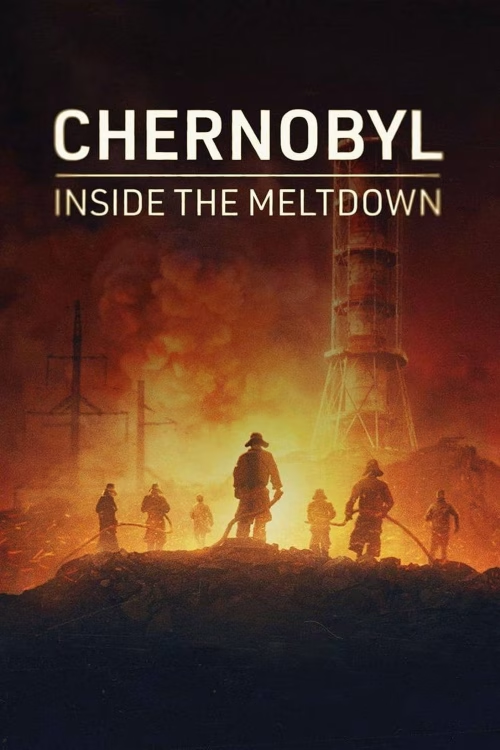
Chernobyl: Inside the Meltdown approaches a disaster that has already been retold many times, which creates a difficult editorial challenge: how do you make familiar history feel immediate without turning catastrophe into spectacle? The series’ catalogue description points toward one answer—survivor testimony, institutional response and footage connected to the exclusion zone.
That emphasis matters because a disaster is not only a sequence of technical failures. It is also an event experienced by workers, families, officials and communities who had incomplete information while decisions were being made around them. The existing Chernobyl: Inside the Meltdown series page contains the catalogue entry linked to this feature.
Survivor testimony changes the scale of history
Historical disasters are often remembered through numbers: dates, measurements, evacuation figures and maps. Those facts are necessary, but they can create emotional distance. A survivor describes what uncertainty felt like before the event had been organised into a timeline.
That perspective can reveal details that official summaries overlook: what people noticed first, what they were told, what they misunderstood and when they realised normal life had changed.
Memory is valuable even when it is imperfect
Personal testimony should not be treated as a replacement for records. Memory changes over time, especially after trauma. Its value is different. It shows how an event was experienced rather than only how it was documented.
A strong documentary can place memory beside archives, technical evidence and institutional records. Differences between those sources can be informative because they reveal gaps between what authorities knew and what ordinary people understood.
Secrecy becomes part of the disaster
When governments control information, communication itself becomes a source of risk. Delayed warnings, limited explanations or conflicting messages affect how people respond even if they are far from the technical centre of the emergency.
That makes institutional behaviour a legitimate part of the story. The disaster is not only what happened inside the plant; it is also how information moved after the event began.
Comparing Soviet and foreign responses adds context
The catalogue description notes attention to Soviet and CIA responses. Looking at different institutions can show how the same event was interpreted through competing political systems and intelligence priorities.
That comparison is useful when handled carefully. It can help viewers distinguish between direct evidence, government messaging and outside assessment rather than assuming that any one institution had a complete picture immediately.
Rare footage matters because places carry evidence
Images from the exclusion zone can do more than provide atmosphere. Buildings, abandoned infrastructure and restricted landscapes show consequences that continue after the moment of crisis passes.
Visual evidence also helps viewers understand scale. A map can explain distance, but seeing empty spaces designed for everyday life communicates what evacuation and long-term restriction mean in human terms.
The strongest documentary question is not simply what failed
Technical explanations are essential, but they are only one layer. A documentary can also ask how organisations respond when the consequences of admitting a problem are politically or professionally dangerous.
That shifts the story from machinery alone to decision-making. Who had authority? Who had information? Who could speak? Who was expected to obey? Those questions help explain why emergencies can grow even after the first failure occurs.
Human cost should not become spectacle
Disaster documentaries face an ethical problem: the subject naturally attracts attention, but suffering should not be used only to create shock. Survivor interviews can counter that tendency by giving people agency over how their experiences are represented.
The focus moves from anonymous victims to individuals describing their own memories, choices and losses. That can make the programme more emotionally powerful while also making it more responsible.
Why new testimony still matters decades later
Time can create opportunities for people to speak who were previously unwilling, unable or institutionally restricted. It can also allow historians and filmmakers to compare personal accounts with records that became accessible later.
New testimony does not automatically rewrite established history, but it can add texture. A familiar event can still contain experiences that never entered the most widely repeated version of the story.
The exclusion zone is both place and symbol
The zone surrounding Chernobyl has become visually recognisable, but a documentary should resist treating it only as an eerie landscape. It exists because of real decisions about risk, access and human settlement.
Keeping that context visible prevents abandoned buildings from becoming empty horror imagery. They are evidence of communities interrupted by an event whose consequences extended far beyond the initial emergency.
What Chernobyl: Inside the Meltdown can add
The value of another Chernobyl documentary depends on perspective. If the series combines survivor voices, institutional records and physical evidence, it can show how different kinds of truth fit together.
That approach is more useful than simply repeating the most famous facts. It asks viewers to understand the disaster as a technical event, a political event and a collection of individual experiences happening at the same time.
Why chronology still matters in a familiar story
Even when viewers know the broad outline of Chernobyl, chronology remains important because emergencies are experienced minute by minute rather than as completed history. Information that looks obvious in hindsight may not have been available to the people making decisions at the time. A careful documentary can show when facts became known, who received them and how delays changed the range of possible responses.
That approach also helps separate cause from consequence. Instead of treating every later outcome as inevitable, the series can identify moments when choices, communication or uncertainty changed what happened next. Understanding those sequences is more informative than simply repeating the final scale of the disaster.
Find the series on Peleza Stream
Visit the Chernobyl: Inside the Meltdown series page for its catalogue information and artwork.