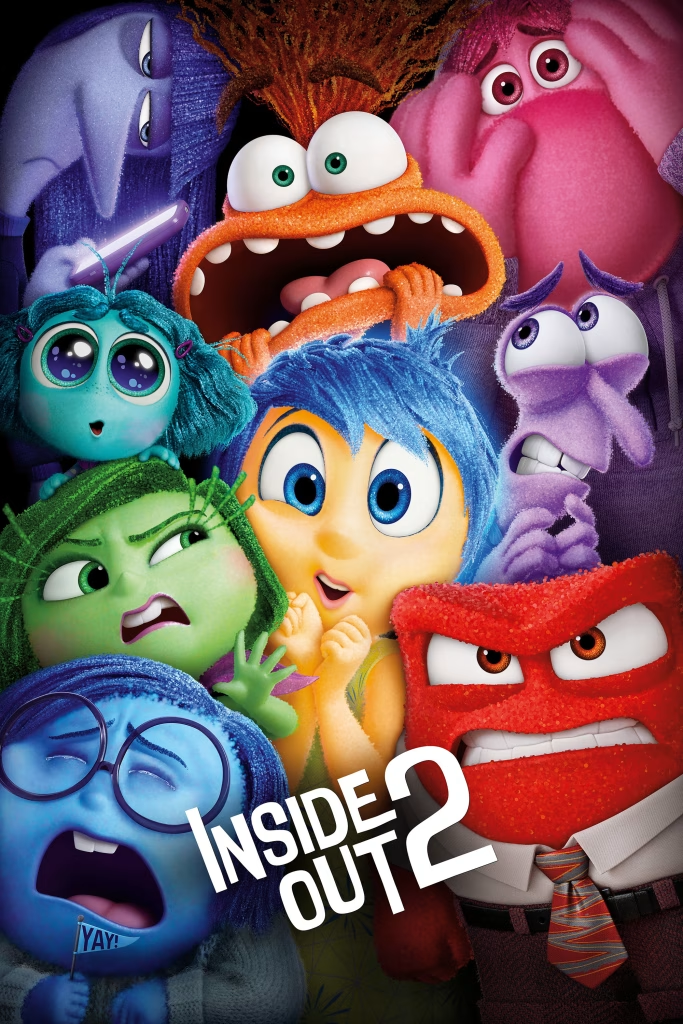
A movie page should do more than show a poster and a play button. It should give you enough context to decide whether the film fits your time, mood and expectations. Learning how to read a few key details can save you from choosing a title that looks appealing but is completely wrong for the moment.
Start with the runtime
Runtime is one of the most practical pieces of information on a movie page. A ninety-minute film can fit comfortably into a weekday evening, while a three-hour drama may need more planning. The difference matters even more if you are watching with other people or starting late at night.
Do not treat a long runtime as a sign of quality or a short runtime as a lack of ambition. Runtime is simply a commitment indicator. The useful question is whether you want to make that commitment now.
Check the release year for context
The release year can help set expectations about style, technology and cultural context. A crime thriller from the 1970s may use slower pacing and different visual conventions than one released in 2026. A science-fiction film from the 1990s may rely on practical effects in places where a modern production would use digital work.
Older does not mean outdated, but knowing the period can help you approach the film on its own terms.
Use genre as a starting point, not a promise
Genre labels are broad. A film listed as comedy and drama may lean much more strongly toward one side. A horror film can be supernatural, psychological, comedic, violent or almost entirely suspense-driven. Science fiction might mean space adventure, social satire or a quiet character study.
If several genres are listed, the combination is often more useful than the first label. A romantic comedy creates a different expectation from a romantic drama, even though both contain romance.
Read the synopsis for the central conflict
A good synopsis should explain the basic setup without revealing major turns. Look for the central conflict: who wants what, what stands in the way, and what kind of journey the story appears to offer.
If a synopsis is extremely vague, the genre and creative credits become more important. If it is very detailed, stop reading once you have enough information to decide. Avoid turning a decision aid into a spoiler.
Age ratings describe suitability, not quality
Age classifications are designed to help viewers understand whether content may be unsuitable for younger audiences. They can reflect violence, language, sexual content, drug use, disturbing themes or other material depending on the classification system.
A rating does not tell you whether a film is good, mature or sophisticated. It is a suitability signal. Parents and guardians should also remember that children differ, so the rating is a starting point rather than a complete viewing decision.
The cast can help you understand performance style
Recognising an actor can be useful if you know the kinds of roles or projects you enjoy from them. But cast lists are most valuable when viewed alongside the director and writer. A familiar star working with a different filmmaker may deliver something very different from their usual work.
For ensemble films, the size of the cast can also hint at the structure. A large group of prominent names may indicate multiple storylines rather than one central protagonist.
The director and writer often reveal tone
Directors and writers can be stronger indicators of style than genre alone. Filmmakers often return to certain themes, pacing choices or visual approaches. If you enjoyed another project from the same creative team, that can be a useful signal.
You do not need to know every filmmaker. The point is simply to look beyond actors when you want a better sense of what the movie may feel like.
Ratings need context
Audience scores and critic scores can be useful, but they answer different questions and are influenced by expectations. A divisive experimental film may have a lower average while being exactly what a particular viewer wants. A crowd-pleasing action movie may score strongly because it delivers efficiently on a familiar formula.
Use ratings as evidence about reception, not as a command. The premise and your own taste should remain central.
Check language and subtitle options
Language information matters if you prefer original audio, require subtitles, or are choosing something for a group. A foreign-language film may be perfect for you, but it can be a poor choice if someone in the group cannot comfortably read subtitles and no dub is available.
Accessibility options such as captions should also be considered part of the viewing information, not an afterthought.
Look at release and availability information carefully
A movie page may show a release date, but that date might refer to a festival premiere, cinema release, digital purchase, television broadcast or streaming launch. Those are not interchangeable. Availability can also vary by country because distribution rights are regional.
If the page provides a source or availability label, it should be clear whether that information is confirmed and for which territory.
Use trailers selectively
A trailer is useful if the synopsis and metadata are not enough to judge tone. It can reveal pacing, visual style and performance energy. However, trailers sometimes show more of the story than viewers want to know.
If you are already interested after reading the basic page, skipping the trailer can preserve more surprises. If you are uncertain, a short trailer can help make the final decision.
A good movie page should reduce uncertainty
You do not need to analyse every field before watching. In most cases, runtime, genre, synopsis, age rating and a few creative credits are enough. The goal is to replace blind scrolling with a quick, informed choice.
A well-designed movie page respects that goal. It gives you context without overwhelming you, separates confirmed facts from promotional material, and helps you decide whether this is the right film for this particular moment. For broader release and availability context, explore the Peleza Stream Articles section.