Starting a new series is a bigger decision than starting a single movie. A film usually asks for one evening. A series can ask for several nights, several weeks or, in the case of a long-running show, many months. That makes a little preparation useful before you press play.
You do not need to research the entire story or read spoilers. A handful of practical details can tell you whether a programme fits your time, mood and expectations. Checking them first can prevent the common experience of beginning a series enthusiastically and abandoning it after realising the commitment is very different from what you expected.
Check how many seasons and episodes exist
The most obvious starting point is size. A one-season limited series is a very different commitment from a drama with eight seasons. Do not look only at the season count; check the typical number of episodes per season as well.
Some streaming series have six to ten episodes per season, while older network programmes may have twenty or more. Two shows can both have five seasons and still require very different amounts of viewing time.
Look at the average episode length
Episode length changes how easily a series fits into your routine. A twenty-five-minute comedy can be watched casually during a short break. A sixty-minute drama requires more attention and can make even a ten-episode season feel substantial.
Runtime also affects binge viewing. Three half-hour episodes may feel manageable after dinner, while three hour-long episodes may take most of the evening. Knowing the typical length helps you choose a realistic pace before momentum takes over.
Find out whether the series is complete, ongoing or cancelled
Status matters because it affects expectations. A completed series offers a finished run that you can watch at your own pace. An ongoing series may require waiting for future seasons. A cancelled series may end with unresolved storylines.
Cancellation does not automatically make a show unworthy of your time. Many cancelled programmes still provide strong seasons or satisfying character arcs. The important thing is knowing the situation so you are not surprised later.
Understand whether the story is episodic or heavily serialised
Episodic programmes often tell a largely self-contained story each episode. Procedurals, sitcoms and some animated series may be easy to watch casually or return to after a break. Serialised dramas depend more heavily on previous events, making regular viewing and attention more important.
A heavily serialised show may reward binge viewing because details remain fresh. An episodic show may be easier to spread across months. Neither structure is better; they simply fit different habits.
Check the genre and tone, not just the marketing image
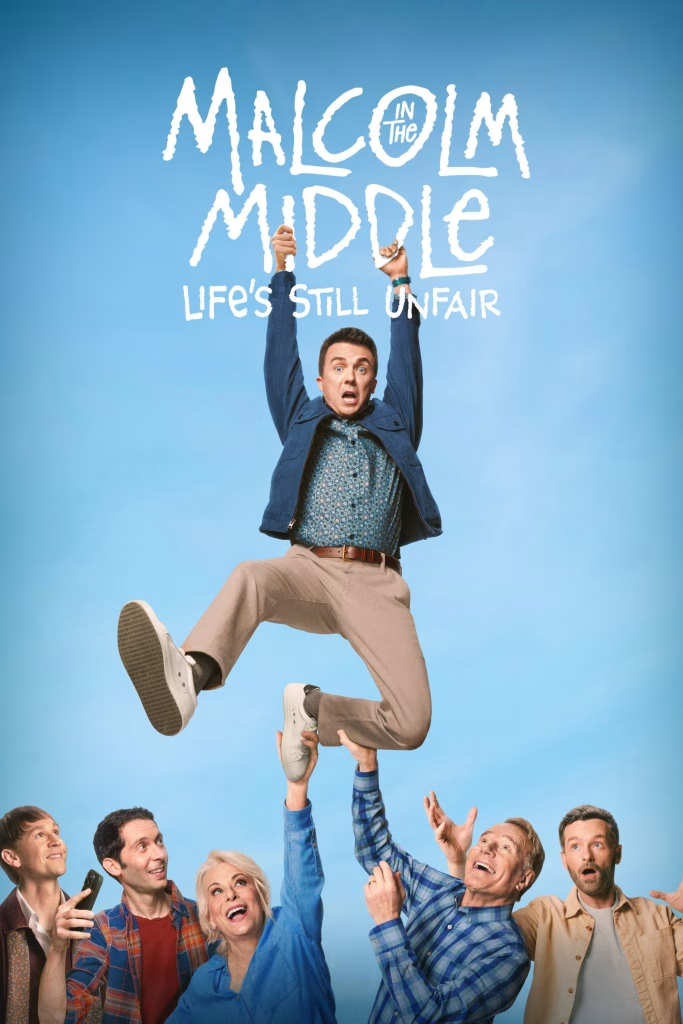
A poster can make a programme look darker, funnier or more action-oriented than it really is. Read a short synopsis and check the listed genres. A series labelled science fiction may actually be a slow character drama set in a futuristic world, while a crime title may focus more on comedy than suspense.
Understanding tone is especially useful when you are choosing something for a particular mood. If you want light viewing, a critically acclaimed but emotionally heavy drama may be the wrong choice for that evening.
Review the age rating and content information
Age ratings help group and family viewers avoid surprises. They can also be useful for adults who prefer to avoid specific kinds of content. A rating alone does not explain everything, so use detailed content descriptions where the platform provides them.
This matters more with a series than a movie because the tone can become more intense over time. A programme that begins relatively mildly may include stronger material in later seasons.
Check the release pattern
Is the full season already available, or are new episodes arriving weekly? That changes the experience significantly. Weekly releases encourage anticipation and discussion, while full-season drops give you more control over pace.
Our guide to weekly episodes versus full-season drops explains the trade-offs in more detail. If you dislike waiting, you may prefer to start a weekly series later in its run.
Look at language and subtitle options
If the series is in a language you do not speak, check whether subtitles, dubbing or both are available. That choice affects how much attention the programme requires and may influence whether it works for solo, family or background viewing.
Subtitle quality, dub availability and accessibility captions can vary between services. If those features are important to you, confirm them before making a long-term commitment.
Consider where the series is legally available
Availability can differ by country and can change over time. A series may move between services when licensing agreements change. Before starting, make sure you have reliable access to enough of the programme to continue.
This is particularly important with older shows whose seasons may be split across services. For context on regional availability and licensing, browse the Articles & Guides section for our streaming explainers.
Read enough reviews to understand the experience, not spoil the plot
Reviews can help you understand pacing, tone and consistency, but reading too many can reveal major developments. Look for spoiler-free summaries that explain what kind of viewer is likely to enjoy the programme.
Pay attention to repeated observations rather than a single extreme opinion. If many reviewers mention slow pacing, that may be useful information even if they disagree about whether the pacing is good or bad.
Decide how much commitment you want right now
Sometimes the best series is not the most acclaimed one; it is the one that fits your current life. If you have a busy month ahead, a compact limited series may be a better choice than a ten-season drama. If you want a long-term viewing project, the larger series may be exactly what you need.
You can always return to a major programme later. Starting at the right time often improves the experience because you are less likely to feel rushed or guilty about unfinished episodes.
A few checks can save many hours
Before starting a new series, review its length, status, episode runtime, release pattern, tone, rating and availability. Those details take only a few minutes to check, but they tell you whether the show is a realistic fit.
The goal is not to remove spontaneity. It is to make sure the programme you choose matches the experience you actually want. A good series deserves enough time and attention to enjoy it, and a little context makes that commitment easier to make.