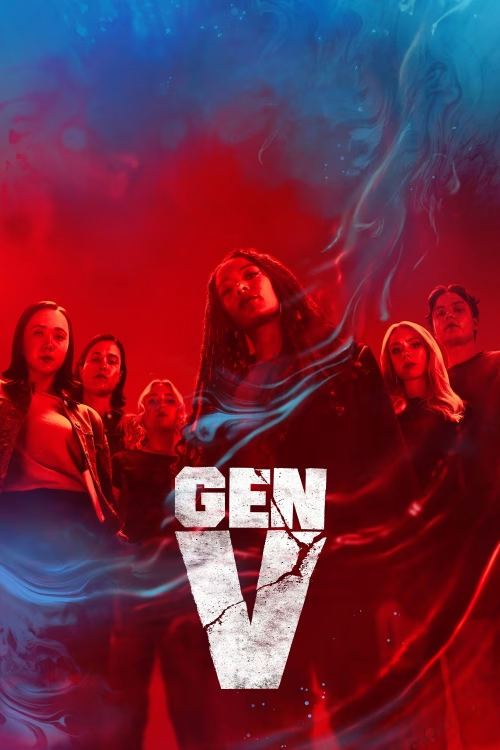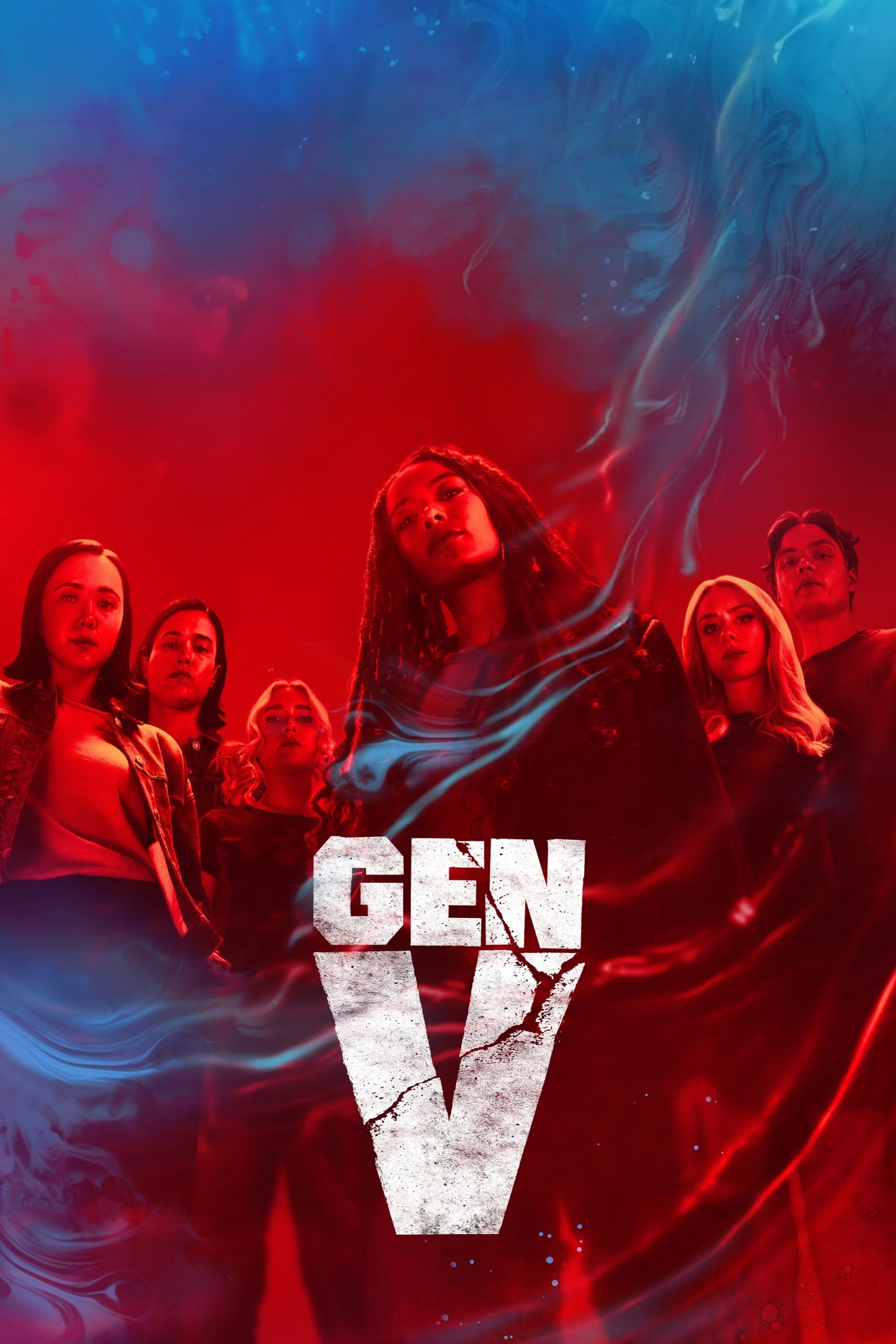
Gen V takes the celebrity-superhero system of The Boys and asks what it looks like before young Supes have fully entered that machine. Godolkin University is presented as a school, but it is also a ranking system, a talent pipeline and a place where students learn that power is valuable only when institutions know how to package it. That makes the campus setting more than a backdrop.
This spoiler-light guide focuses on Godolkin, student ambition, the relationship between power and reputation and the way the series connects personal identity to a much larger corporate world. For Peleza Stream’s stored synopsis, artwork and catalogue details, visit the Gen V series page. You can also browse the wider Peleza Stream Series library.
Godolkin turns university pressure into a superhero problem
Students at Godolkin are dealing with familiar pressures—grades, popularity, competition, friendships and uncertainty about the future—but every one of those pressures is intensified by superhuman ability and public visibility. A bad decision can become physically dangerous, and a good performance can become a career opportunity controlled by people outside the student’s life.
That is why the ranking system matters. It encourages students to treat classmates as competitors while also asking them to form relationships strong enough to survive real danger. The institution benefits when young Supes believe recognition is scarce.
Ambition is never separate from the system evaluating it
A student may genuinely want to help people and still learn to measure success through cameras, sponsorship, popularity or access to elite opportunities. Gen V becomes sharper when it shows how quickly those incentives can reshape behaviour. The problem is not simply that some characters are ambitious. It is that the institution defines which ambitions are rewarded.
This creates moral tension without requiring every administrator or student to be secretly evil. People can make understandable choices inside a system that keeps pushing them toward competition, secrecy and image management.
Power does not solve insecurity
The series repeatedly treats superhuman ability as something tied to the body, identity and emotional life of the person using it. That keeps the powers from becoming separate visual effects. A character’s ability can make them impressive in public while exposing exactly the fear or vulnerability they are trying to hide.
That connection is one reason the younger cast works within The Boys universe. Adult celebrity Supes often look fully manufactured from the outside. Gen V shows people at the stage where that manufacture is still happening.
Friendship becomes dangerous in a competitive environment
Real trust is difficult when students know that another person’s success may affect their own ranking or future. A friend can also become a witness, rival or liability. That makes ordinary relationship drama useful to the larger plot rather than separate from it.
The strongest friendships in the series are therefore built when characters share information that could hurt them, defend someone without knowing whether it will improve their own position, or choose to believe a person whose public reputation says something different.
The connection to The Boys works best when Gen V keeps its own point of view
The shared universe matters because Vought, superhero celebrity and political power already have established meaning. But the series does not need a constant stream of cameos to justify itself. Godolkin offers a perspective the parent show cannot: the process by which powerful young people learn what the system expects before they become established public figures.
That allows crossovers and references to feel larger when they happen because the core cast still has problems that belong specifically to the university environment.
Season 2 makes the institution itself part of the conflict
Amazon’s official material for the second season describes a changed Godolkin environment under new leadership while the wider world adjusts to Homelander’s influence. That setup is important because it makes curriculum, authority and campus culture political. Students are not returning to the same school after a reset; they are entering an institution responding to a changed national climate.
For current Prime Video availability and Amazon’s official description, see Amazon’s official Gen V guide.
The ensemble matters more than any single power set
Godolkin becomes believable because no one student represents the whole campus. Different characters want recognition, safety, control, friendship or simply enough room to understand what their abilities mean. Those competing priorities keep the series from reducing every conflict to who is strongest. The most revealing scenes often happen when two students face the same pressure and choose completely different responses.
That ensemble structure also makes consequences travel across the group. A decision made for career reasons can damage a friendship; a secret kept to protect one person can endanger someone else. The university setting works because every personal choice is connected to a larger social system.
What to watch for without spoilers
Watch who benefits whenever the school announces a new rule, ranking or opportunity. Institutional language can sound neutral while producing very different consequences for different students. Also notice when a character changes behaviour because cameras, administrators or other students are watching.
Pay attention to the moments when characters stop talking about what is best for their career and start talking about what is right for another person. Those choices often mark the point where the series’ satire becomes genuine character development.
Who is Gen V likely to work for?
The series is a natural fit for viewers of The Boys, but it also works for audiences who like campus drama, dark comedy and ensemble stories where friendship and ambition constantly collide. Knowledge of the larger universe adds context, although the Godolkin setting gives the show enough structure to establish its own conflicts.
Go in expecting a superhero story where the most dangerous force is not always the strongest person in the room. Rankings, institutions, reputation and fear can shape behaviour just as effectively as powers, which is what gives Gen V its own identity inside the larger franchise.