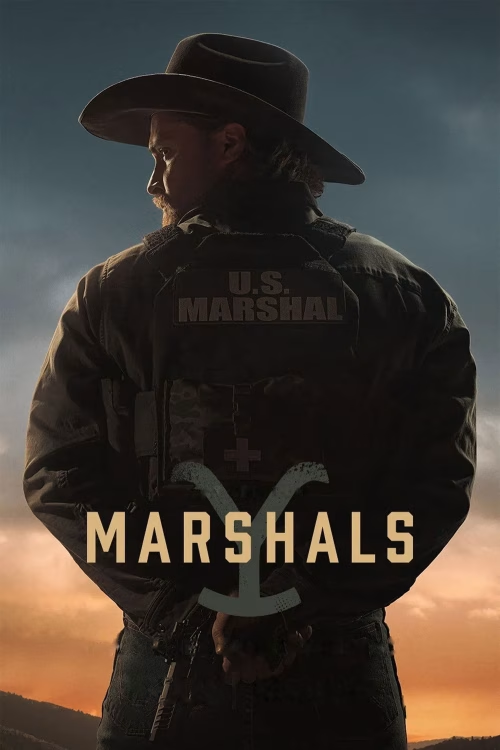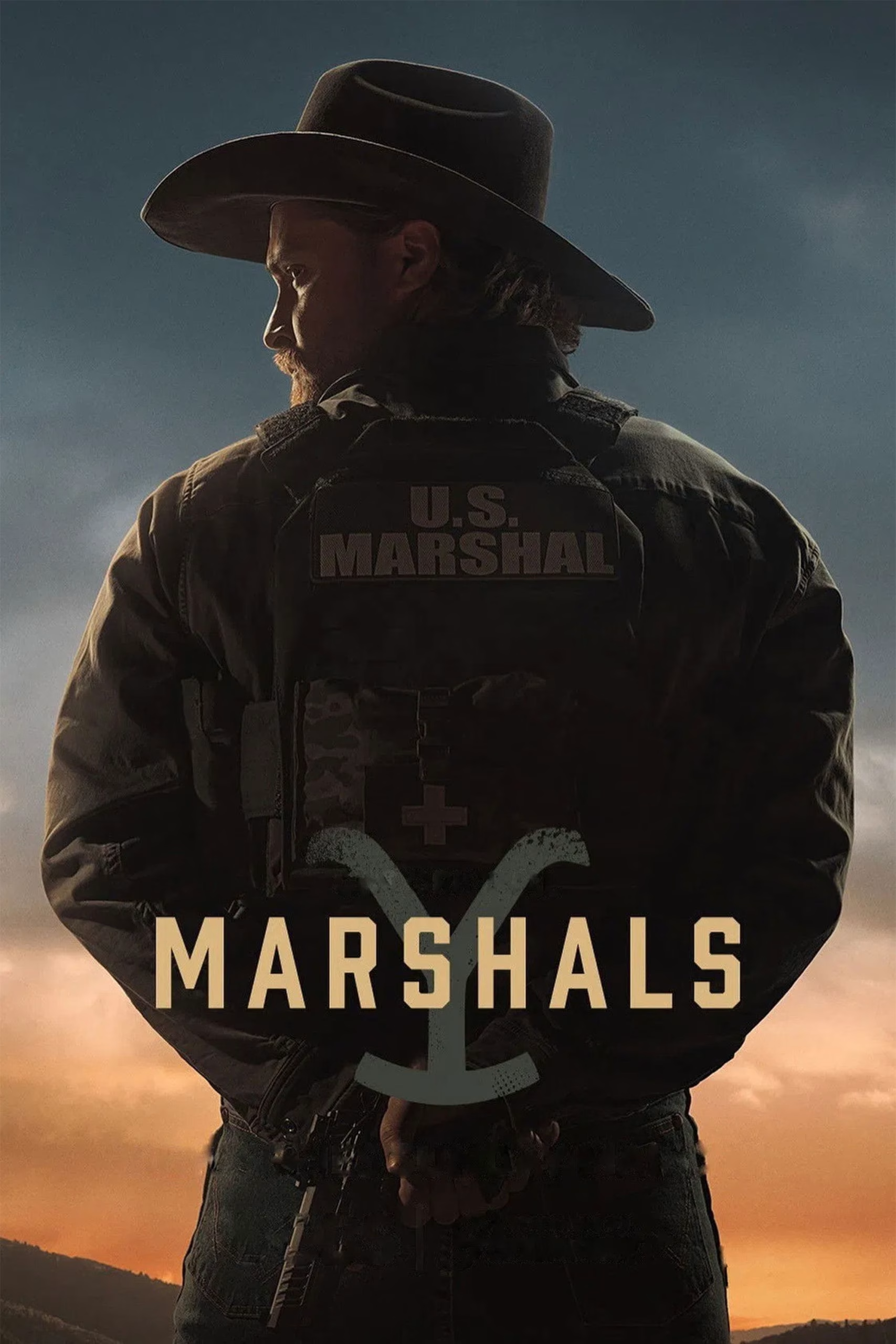
Marshals takes Kayce Dutton out of the ranch-centred conflicts that defined much of his earlier life and places him inside a team whose job is to pursue dangerous people, protect communities and make decisions under legal as well as physical pressure. That shift does not erase Kayce’s past. It changes the environment in which his instincts are tested.
This spoiler-light guide focuses on Kayce’s new role, the team structure, Broken Rock and the series’ balance between procedural missions and family responsibility. For Peleza Stream’s stored synopsis, artwork and catalogue details, visit the Marshals series page. You can also browse the wider Peleza Stream Series library.
Kayce’s skills finally have an institution around them
Kayce has always been comfortable in dangerous situations, but being capable under pressure is not the same as working inside a unit. A Marshal operation requires coordination, evidence, authority and trust between people who may approach the same threat differently. That gives the series an immediate source of tension: Kayce cannot simply do what feels right and assume the outcome will justify the method.
The team therefore becomes more than backup. Colleagues can challenge his judgement, depend on his decisions and force him to explain instincts that once operated privately. That is useful character development because it tests whether experience has made Kayce more disciplined or simply more certain of himself.
The procedural cases matter because they keep returning to personal responsibility
A weekly fugitive, militia, trafficking case or violent operation can easily become interchangeable in a crime drama. Marshals has a stronger foundation when each case creates a question Kayce cannot leave at work. Protecting strangers, using force and making promises to victims all affect the kind of father and community member he believes he is trying to become.
That connection between mission and home life gives the series continuity. Even when one operation ends, the emotional consequences can follow Kayce back to Tate, Broken Rock or his relationships with the people who knew him before the badge.
Broken Rock keeps the Yellowstone connection meaningful
The series does not need to return constantly to ranch politics to feel connected to the larger world. Broken Rock is enough to keep questions of land, community and identity close to Kayce’s story. His history with Mo and Thomas Rainwater means he does not approach the reservation as an outsider who only arrives when federal authority is needed.
That familiarity can create useful conflict. Kayce may understand why a community distrusts an institution while also being responsible for acting on behalf of that institution. The strongest stories can use that tension rather than pretending every law-enforcement decision has a simple moral answer.
Cal and the wider team prevent the series from becoming a one-man operation
A Marshal unit works dramatically when every member brings a different skill and different limit. Leadership, tactical experience, local knowledge and emotional judgement do not have to sit with one person. That allows Kayce to be wrong without making the whole team ineffective.
It also opens space for longer arcs. A teammate’s health, family pressure or disagreement over tactics can affect the group over multiple episodes. The audience can therefore become invested in the unit itself rather than only waiting for Kayce’s next confrontation.
Why a stable home life is one of Kayce’s hardest assignments
Kayce can react quickly when danger is obvious. Stability is harder because it requires repetition: being present, keeping promises and resisting the instinct to treat every problem like a crisis. That contrast gives the series a useful emotional centre. The person who can face an armed threat may still struggle with ordinary routines after years of violence and loss.
Tate’s presence makes those choices measurable. Kayce is not only deciding what kind of Marshal he wants to be; he is demonstrating what kind of life he believes is possible for his son.
CBS’s official description confirms the new direction
CBS describes Marshals as following Kayce as he throws himself into life as a U.S. Marshal while trying to create stability for himself and Tate. The network’s current series material also keeps Broken Rock and the wider team central to the story, rather than treating the show as a complete break from Kayce’s earlier relationships.
For current episode information and the broadcaster’s description, see the official CBS Marshals page.
What to watch for without spoilers
Watch how Kayce behaves when a teammate disagrees with him. Those scenes often reveal more about his development than the action does. Also pay attention to the difference between what he can legally do, what he believes is morally necessary and what his past experience tells him will work fastest.
Notice how often a case returns to family or community after the immediate threat is over. The series is at its best when an operation leaves behind consequences that cannot be solved by an arrest.
Who is Marshals likely to work for?
The show should work for viewers who followed Kayce through the Yellowstone universe but want a more mission-driven format, as well as audiences who enjoy team-based crime dramas with continuing character arcs. The western landscape and Broken Rock connections give it a different texture from an urban procedural.
Go in expecting Kayce’s old strengths to be tested by new rules. The question is not whether he can handle danger. It is whether he can become part of a team, maintain a home and use his experience without allowing violence to define every part of his life.