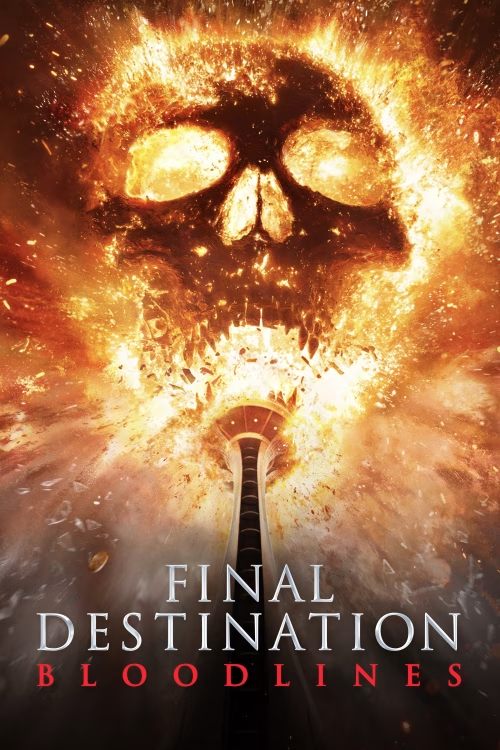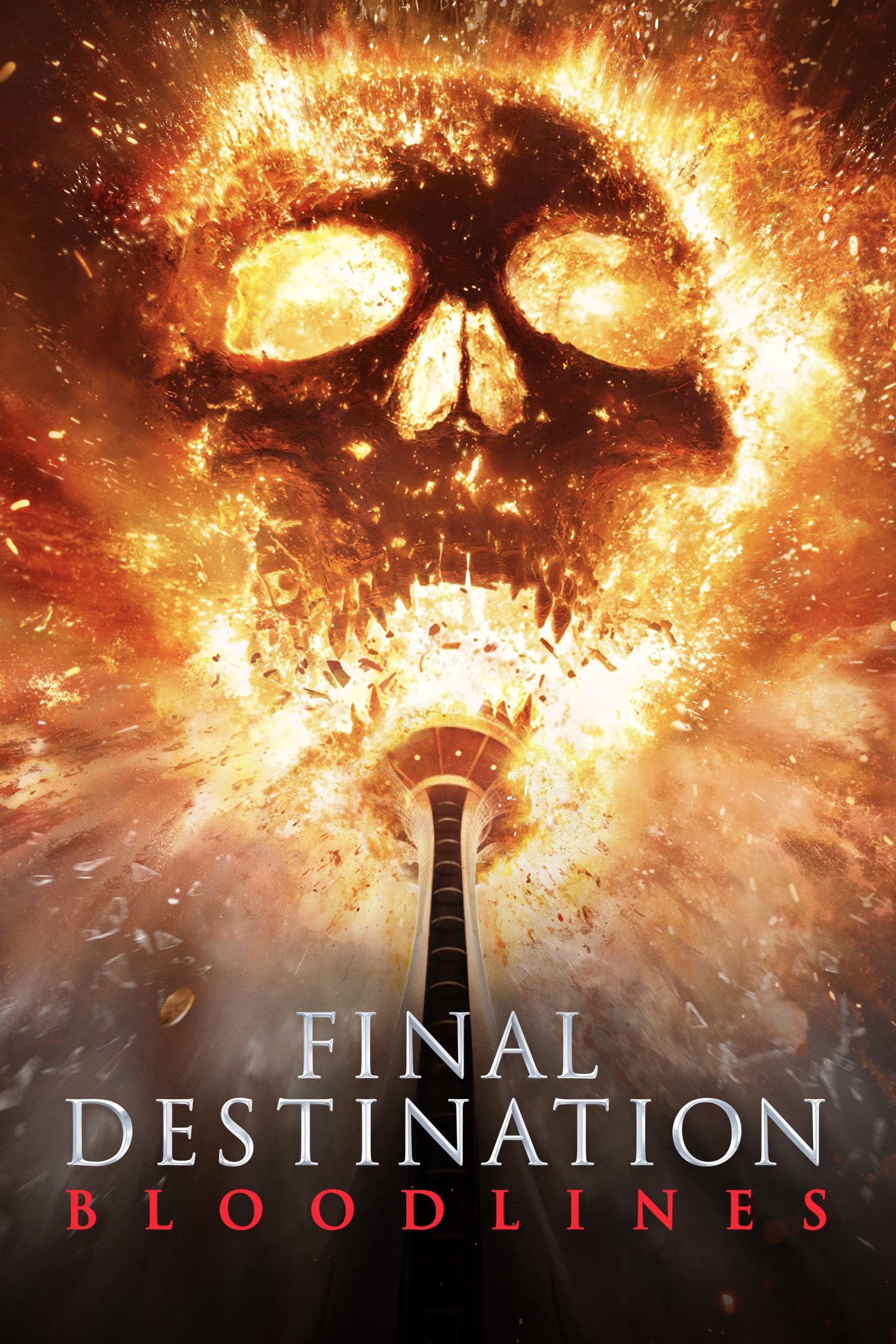
The Final Destination series has long explored the fear that an apparently ordinary event might contain a hidden pattern. Final Destination Bloodlines adds an especially useful idea: a family’s earlier history can affect the meaning of danger in the present. That moves the emotional stakes beyond a single group of people who survived an incident. Younger characters may inherit warnings, stories or unresolved questions that they did not personally create. The horror comes partly from discovering that an intimate connection carries consequences nobody fully understood. A family story makes abstract fate feel personal because the audience can recognize the difficulty of deciding whether to trust an unsettling account from someone close.
Inherited knowledge may be incomplete
Family histories rarely arrive as perfectly organized records. A warning can be repeated without the circumstances that originally made it persuasive, while a significant event may be discussed only through fragments. A horror story can make that incompleteness frightening by leaving characters unsure which information matters. Someone may dismiss a story as superstition, not because they are careless, but because its evidence is difficult to evaluate. Another may accept it without knowing what response would actually help. The resulting disagreement offers more than a convenient obstacle to survival. It asks how people should act when uncertainty is high and the consequences of a mistaken judgment could be severe.
The series’ pattern recognition becomes a family problem
Final Destination stories often invite viewers to examine a sequence of small details before they acquire terrifying significance. In a family-linked premise, that habit can become a form of collective investigation. Different generations may notice different evidence or bring competing interpretations to a disturbing coincidence. The audience is encouraged to distinguish a meaningful clue from the temptation to connect every ordinary event. This tension is effective because human beings naturally seek patterns, especially when they are anxious. The film can turn commonplace environments into sources of suspense without treating every object as magical. The strongest sequence builds cause and effect clearly enough that viewers understand the danger while remaining uncertain about precisely how it will unfold.
Ordinary environments can become elaborate threats
The franchise’s set pieces work by changing how viewers look at familiar surroundings. A tool, a household object or an apparently harmless movement can contribute to a chain of consequences. Such scenes depend on careful spatial organization. The audience needs to see where objects are located and how one event could influence another. If the connections are understandable, suspense grows before anyone is injured. A family setting adds emotional depth because viewers may know how the space is normally used. A kitchen or gathering area can carry memories of safety, making its transformation into danger more disturbing. The contrast allows production design to participate directly in the storytelling.
Fate horror tests the limits of individual control
Many thrillers are built on the hope that the protagonist can defeat a threat through skill or determination. Fate-oriented horror complicates that expectation by suggesting that not every danger has an opponent who can be confronted. Characters may become intensely attentive to small risks while remaining uncertain whether any action is sufficient. That tension can be psychologically exhausting. The film’s interest lies not merely in surprising accidents but in how people respond to diminished confidence in their own ability to choose a safe path. Some may seek rules, some may rely on others and others may reject the entire idea. Those differences reveal character and prevent the story from becoming only a sequence of elaborate mechanical scares.
Intergenerational responsibility is morally complicated
If a relative knows something troubling about an earlier event, what should they tell younger family members and when? A warning can protect, but it can also place a significant burden on someone who has little context for understanding it. Secrecy may be intended as kindness while making it harder for others to prepare. Horror intensifies these familiar family dilemmas because a failure of communication may carry immediate consequences. A thoughtful story allows competing motives to remain understandable without treating all choices as equally wise. The audience can empathize with a person’s fear of revealing the past and still recognize the harm caused by withholding information that others need.
Suspense depends on what the viewer understands
A well-designed horror scene often shows several possible sources of danger before revealing which will matter. That creates a productive tension between anticipation and surprise. If every detail points obviously to one outcome, the sequence may lose uncertainty; if no connection is visible, the result can seem arbitrary. Editing, camera placement and sound balance those extremes. Repeated glimpses of a particular object may attract attention while the decisive event develops elsewhere. The method rewards careful viewing, but it does not need the audience to solve a puzzle perfectly. The emotional experience comes from recognizing that apparently small decisions can interact in ways no character could entirely control.
How to approach the story without spoiling its set pieces
Rather than researching the elaborate outcomes before viewing, pay attention to what family members believe about the past and how their explanations differ. Notice how an ordinary location is established before danger enters and whether the film uses spatial detail fairly. That perspective preserves the surprises while offering a way to appreciate their craft. Find the Final Destination Bloodlines movie page for basic information, and browse Peleza Stream Movies for other horror titles. The article is editorial commentary, not a claim of legal streaming availability on every platform.
Closing perspective
Final Destination Bloodlines can make familiar fate-horror mechanics feel intimate by connecting them to an inherited story. The fear is not only that a chain of events may unfold, but that people who care about one another lack a complete account of the dangers they face. Family memory, communication and uncertainty add emotional stakes to the franchise’s carefully constructed suspense.