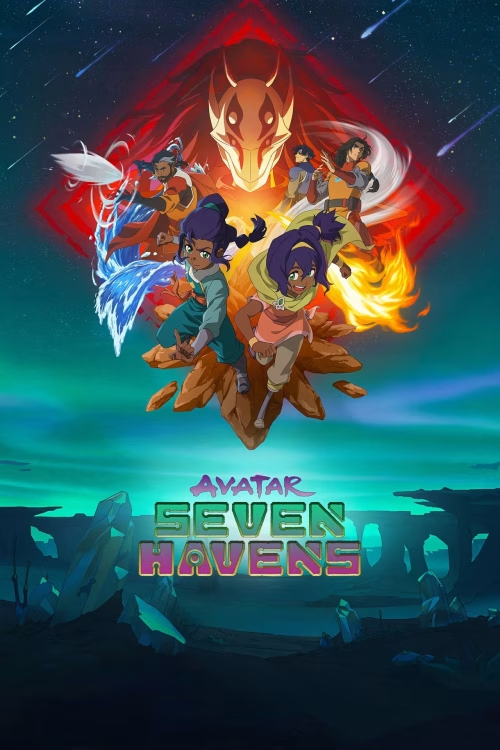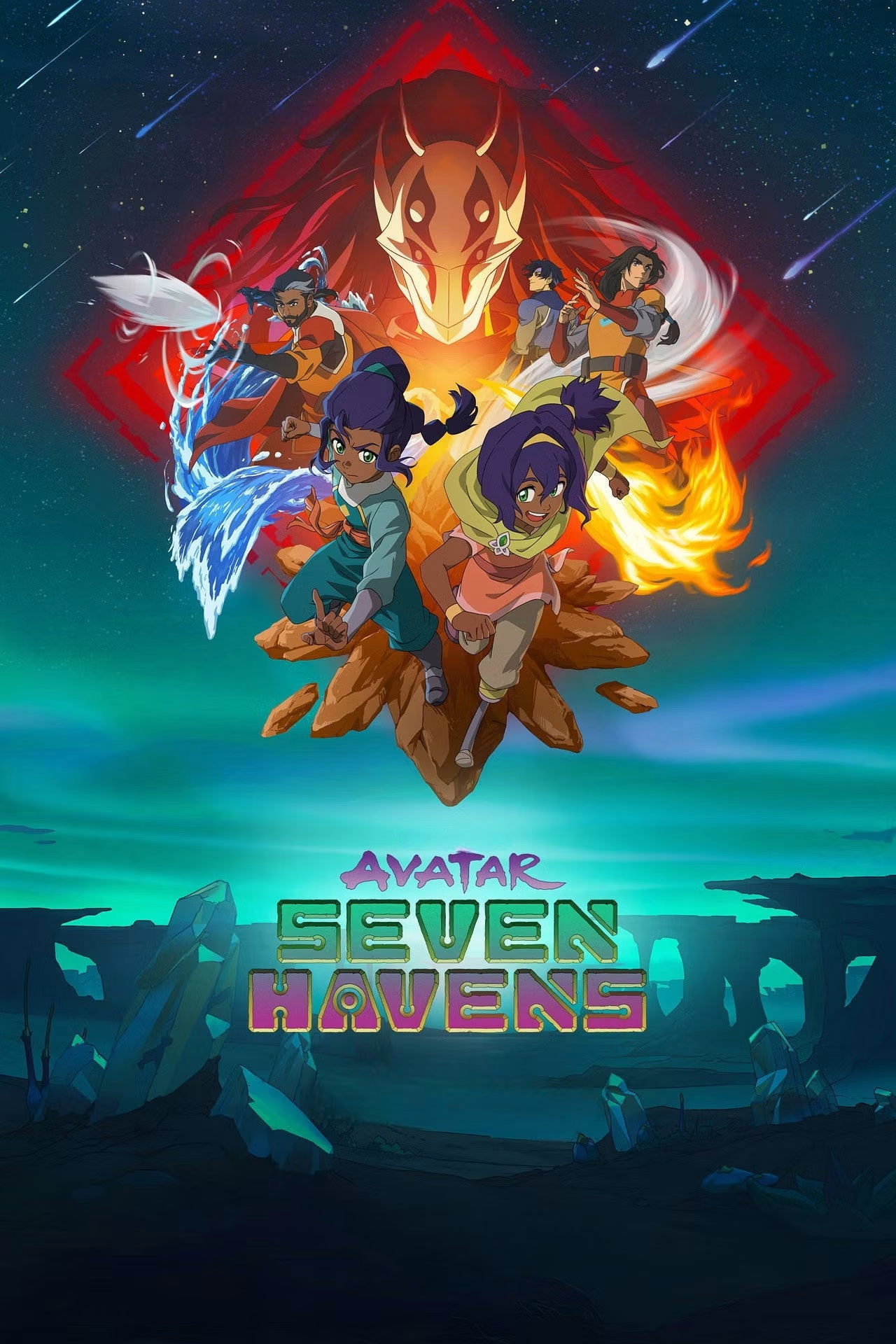
In the Avatar universe, extraordinary responsibility comes with a history of previous lives, communities and conflicts. Avatar: Seven Havens offers a premise in which a new generation must respond to a world shaped by events it did not personally choose. That creates a distinctive coming-of-age question. A young person can respect what came before while discovering that inherited expectations do not provide an answer to every immediate dilemma. The burden of the role is not only to possess unusual powers. It is to understand different peoples, listen to consequences and make decisions that will themselves become part of the history handed to someone else.
Legacy can inspire and constrain at once
A celebrated predecessor may provide examples of courage and compassion, but the same reputation can become a standard that nobody feels capable of meeting. An individual may be judged before they have established a personal identity. That can create tension between public duty and ordinary needs for friendship, privacy or self-determination. A thoughtful continuation should allow admiration and disagreement to coexist. A new Avatar need not reject previous lessons in order to grow, nor imitate every earlier choice to remain worthy of the role. The dramatic interest lies in deciding what can be carried forward and what must be reconsidered when circumstances change.
The world should not remain frozen between generations
Sequels and continuations face a common problem: returning audiences recognize particular institutions and locations, but fictional societies should still evolve. Technology, migration, political arrangements and cultural exchange can change the conditions under which the next Avatar operates. That evolution can produce fresh conflicts without invalidating earlier stories. Viewers may be tempted to compare every new character with a familiar predecessor, yet the better question is how the world now works. What problems have people solved, and which have taken new forms? Showing meaningful change makes the passage of time believable and ensures that the new protagonist faces challenges appropriate to their own generation.
Balance is a practice rather than a slogan
The ideal of balance can sound simple until groups disagree about what fairness requires. People may value peace while holding incompatible expectations about territory, authority or the distribution of resources. A character responsible for maintaining harmony cannot resolve such conflicts by merely asking everyone to compromise equally. The underlying causes need to be understood. A strong story can show how careful listening, restraint and the willingness to challenge powerful assumptions matter alongside spectacular abilities. Balance becomes meaningful when it involves choices that disappoint someone in the short term while protecting a wider possibility for peaceful coexistence.
Friendships challenge the isolation of special roles
A character marked out for a singular responsibility may begin to believe that no one else can understand the burden. Yet companions can offer different perspectives and skills that the protagonist lacks. Their usefulness should extend beyond supplying jokes or reassurance. A friend might question an unfair decision, identify a neglected community or refuse to accept a dangerous plan. Such disagreements test trust in a constructive way. The most satisfying group dynamics allow people to retain distinct values without reducing the Avatar to an ordinary member of the team. Leadership can become more mature when the central character learns that accepting help is not the same as surrendering responsibility.
Different cultures are more than different powers
A fictional world organized around elemental traditions needs more than visually distinct forms of bending to feel lived in. Communities have history, family patterns, food, occupations and differing views of their own institutions. Individuals within the same culture should also be able to disagree. Otherwise, cultural variety becomes a costume-based system rather than a social world. Pay attention to the ordinary activities that shape each location and the relationships between younger and older residents. The most convincing stories introduce a culture through how its members respond to problems, not only through speeches about what their element represents. Those details also allow conflicts to emerge from history rather than arbitrary misunderstandings.
A larger mythology still needs personal decisions
An expansive fantasy may feature spiritual traditions, political questions and a long history of extraordinary people. The audience, however, often connects most strongly to a single difficult choice. A character must decide whether to tell a friend an unwelcome truth, keep a promise or risk personal standing to defend someone without influence. The wider mythology gives such choices context but should not replace their emotional significance. In a continuation, memorable moments can emerge when the new Avatar encounters a problem that earlier heroes could not have anticipated. The story feels fresh when the solution reflects the individual’s own values rather than merely repeating a celebrated move from the past.
How to approach a new chapter
Enjoy the references to familiar Avatar history, but give the new series room to establish its own questions. Watch how its communities have changed and what the protagonist considers essential to the inherited role. Notice whether a disagreement arises from competing values or from information the characters have not yet shared. That perspective allows the new story to develop independently of nostalgia. Visit Avatar: Seven Havens on Peleza Stream for title information and explore the series catalogue for related animated fantasy. Official release and viewing arrangements should be checked with the rights holder.
Closing perspective
A new Avatar story becomes meaningful when it treats legacy as a starting point for judgment rather than a complete set of instructions. History can inspire courage and provide warnings, but it cannot remove the need to understand a changed world. Avatar: Seven Havens has room to examine how a new generation defines responsibility while remaining connected to the lessons and mistakes of those who came before.