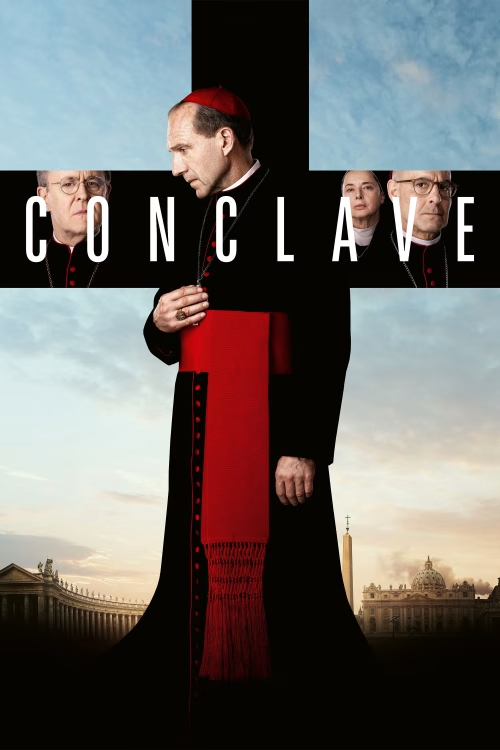
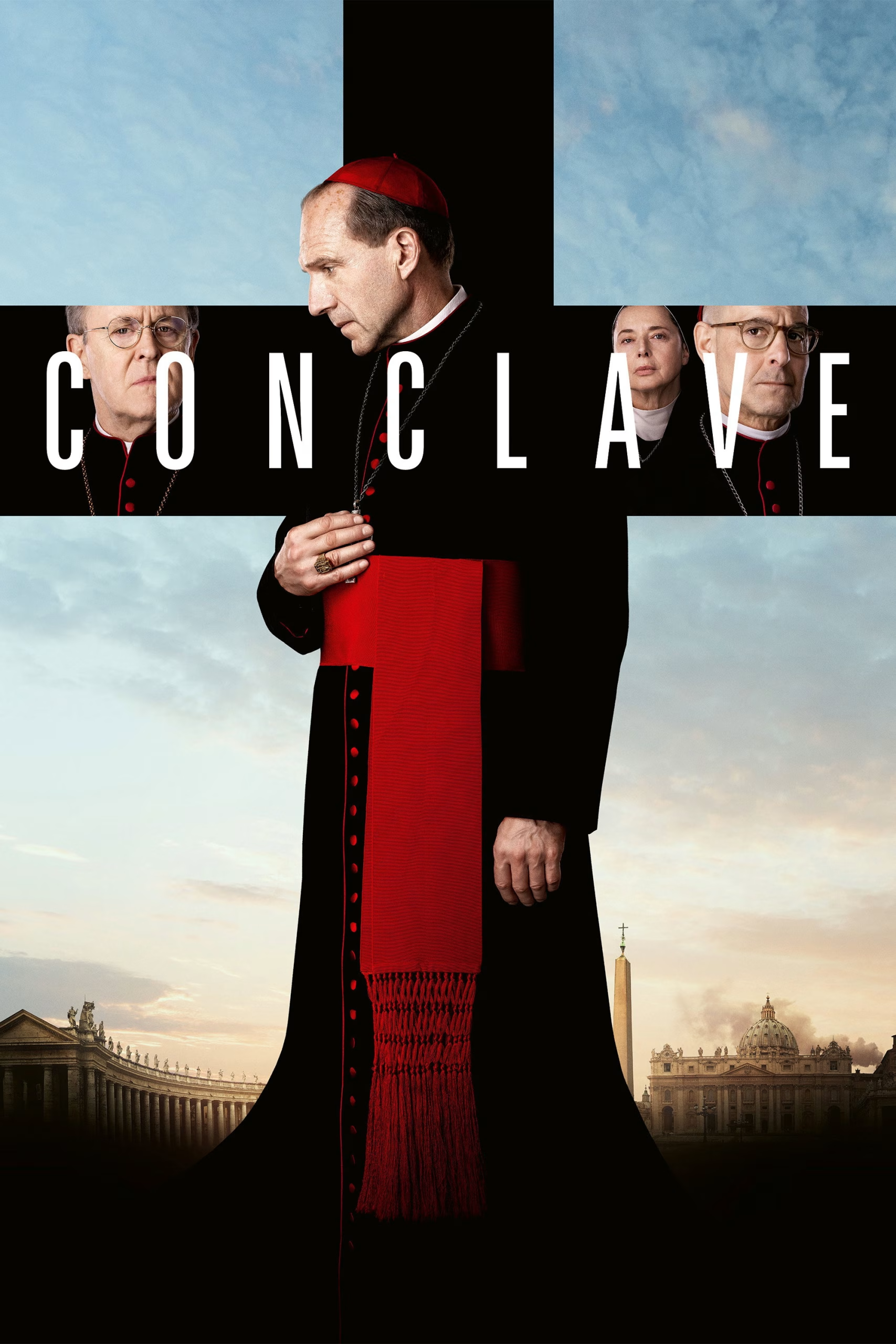
Conclave takes a process that is usually hidden from the public and turns it into the perfect setting for a political thriller. The film begins after the death of a pope, when Cardinal Lawrence is given responsibility for overseeing the secretive election of a successor. On paper, the task sounds procedural. In dramatic terms, however, it creates a closed world filled with ambition, conscience, private loyalties and enormous consequences.
This spoiler-light feature looks at why that setup works so well, what makes the Vatican setting dramatically useful, and why a story about voting can create as much tension as a conventional chase or conspiracy thriller. You can also visit the existing Conclave movie page on Peleza Stream for the catalogue entry and stored film details.
A closed room with global stakes
One of the smartest things about the premise is the contrast between physical confinement and enormous influence. The cardinals are gathered in a highly controlled environment, separated from ordinary public life, yet the decision they make will affect an institution followed around the world. That combination gives every conversation more weight.
Thrillers often use isolation because it limits escape routes and forces characters to remain in contact with one another. In Conclave, the isolation is not created by a storm, a locked building or a criminal threat. It is created by tradition and procedure. That makes the pressure feel respectable on the surface while still producing the same dramatic effect: everyone is trapped inside the process until a decision is reached.
Cardinal Lawrence works because he is not simply chasing power
The central figure is interesting because his role places him between administration and belief. He has responsibilities to the process, but he is also surrounded by candidates and factions with different ideas about leadership. That creates tension without requiring the story to reduce every character to a simple villain or hero.
A political thriller becomes much more engaging when the main character is trying to preserve a system while also learning that the system is made up of imperfect people. The audience can therefore watch two conflicts at once: who should win the election, and whether the rules themselves can survive the pressure being placed on them.
Procedure becomes suspense
The election process is naturally repetitive: ballots are cast, counted and assessed until a result emerges. A less focused film could make that feel mechanical. The dramatic opportunity is to treat each round as new information. A vote can reveal an alliance, weaken a candidate, expose a fear or change the strategy of people who thought they understood the room.
That is how procedure becomes suspense. The audience is not waiting only for the final name. It is reading the movement inside the group. Who is gaining support? Who is losing it? Who is speaking publicly while thinking something very different privately? Those questions give the ritual a rhythm closer to a boardroom power struggle than a simple ceremony.
The setting makes secrecy feel physical
Architecture matters in this kind of story. Corridors, chambers, private rooms and carefully controlled entrances can make secrecy visible. Characters are constantly moving between public ritual and private conversation, which allows the film to show how differently people behave when the doors close.
The Vatican setting also carries history. Even without knowing every rule of the conclave, viewers understand that these spaces are associated with tradition and continuity. That makes any personal ambition or hidden conflict feel larger because it is happening inside an institution built to appear permanent.
Power is more interesting when it is tied to conscience
Stories about elections can become shallow when every character simply wants the highest position. The more interesting question is what each person believes leadership should accomplish. Ambition, conviction and self-interest can exist at the same time, and that uncertainty is where the drama becomes richer.
A candidate may sincerely believe that winning would help the institution while still enjoying the possibility of power. Another person may claim humility while quietly building support. The audience is therefore invited to judge motives without being given easy answers. That ambiguity suits the thriller form because every statement can carry more than one meaning.
Why mystery belongs naturally inside the story
A conclave depends on incomplete information. The participants do not know exactly how every other cardinal will vote, and the audience does not have access to every conversation. That makes the setting ideal for revelations. New information can alter not only the future of the election but also the meaning of choices that already happened.
The strongest mysteries do not simply hide a fact until the final scene. They make the audience repeatedly update its understanding of the people involved. A political process is especially good for this because reputation matters so much. One disclosure can shift an entire room even before anyone says openly that their position has changed.
What to pay attention to while watching
Rather than trying to memorise every name immediately, watch the changing relationships. Notice who speaks to whom after each development, who tries to remain neutral, and which characters become more active when circumstances change. Those movements can tell you as much as the formal speeches.
Also pay attention to the difference between public language and private action. Institutions often have an official vocabulary designed to emphasise duty and unity. Thrillers become interesting when that vocabulary is placed beside ambition, uncertainty and fear.
Why Conclave stands out as a political thriller
The film’s central idea is powerful because it does not need a conventional battlefield. The conflict is built from persuasion, trust, reputation and the consequences of choosing the wrong person. Every vote becomes a decision about the future, and every conversation can alter the balance of the room.
That makes Conclave useful viewing even for people who are not especially interested in religious procedure. At its core, it is a story about how people behave when responsibility, belief and power are placed in the same room.
Find Conclave on Peleza Stream
For the film’s catalogue information and artwork, open the Conclave movie page on Peleza Stream. This feature is intended to add editorial context to that title page rather than repeat its synopsis.