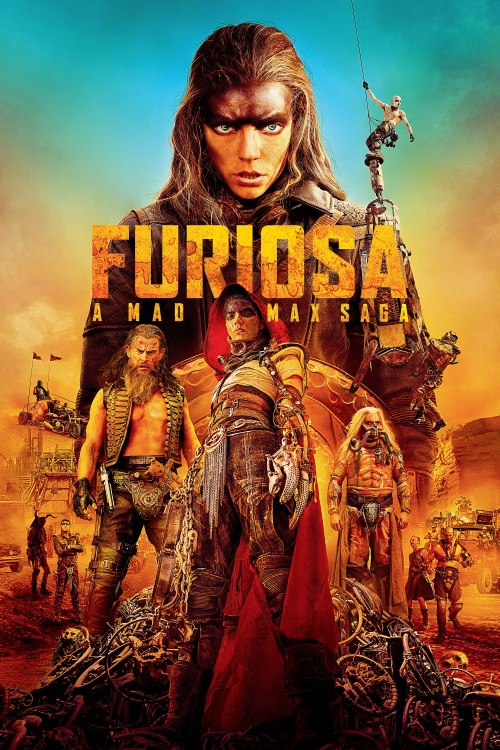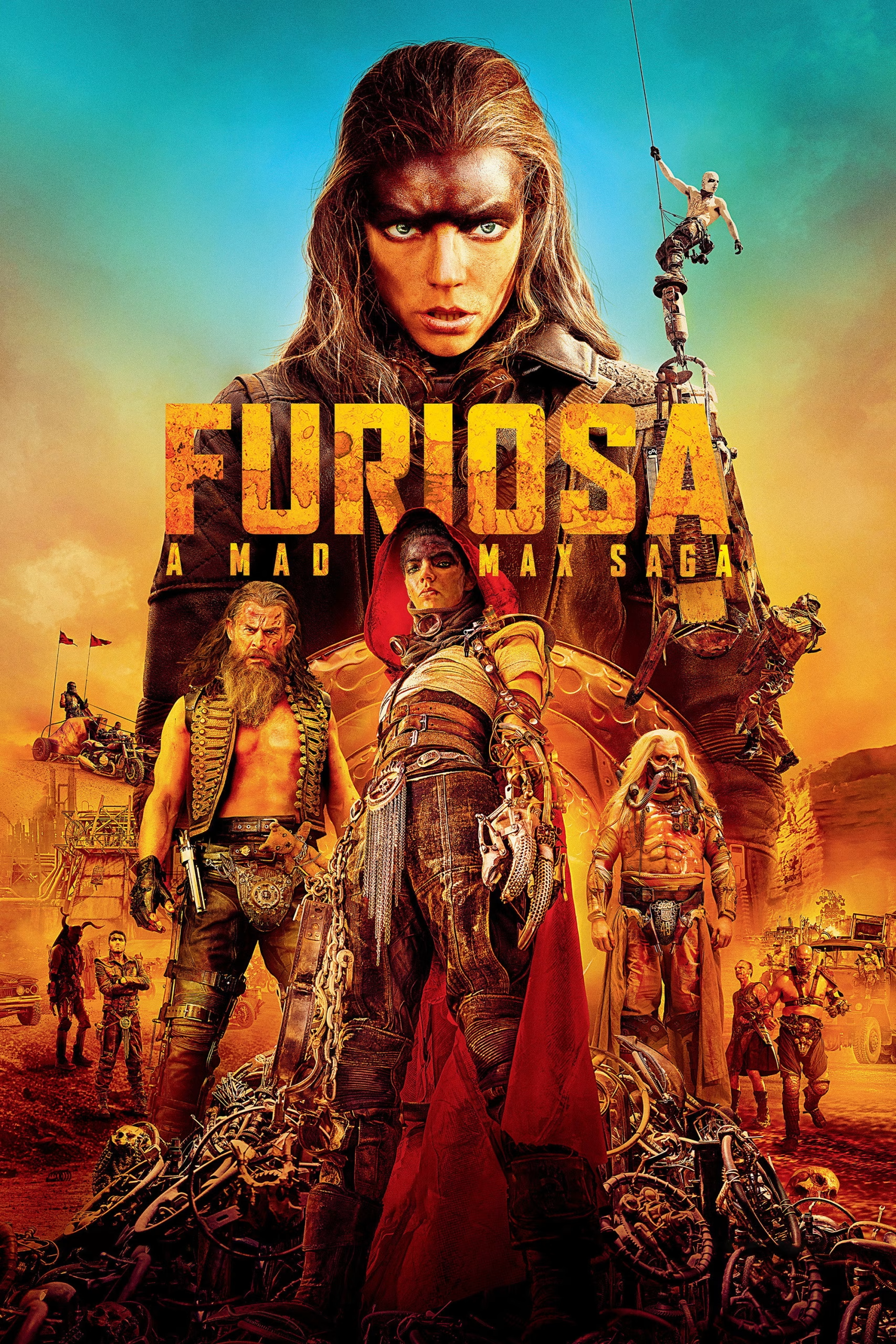
Furiosa: A Mad Max Saga is built around a question that fits the wasteland perfectly: what happens to identity when survival is controlled by whoever owns the road, the water and the weapons? The story follows a young Furiosa after she is taken from the Green Place and pulled into the violent struggle between powerful wasteland leaders.
Because audiences may already know the person Furiosa eventually becomes, the tension is not simply about whether she survives. It is about what survival costs and which experiences shape the person viewers later recognise. The existing Furiosa: A Mad Max Saga movie page connects this feature to the film’s catalogue entry.
The wasteland turns geography into power
In an ordinary action movie, locations are often backgrounds for conflict. In the Mad Max world, locations are resources. A settlement matters because it controls something people need. A road matters because it connects those resources. A vehicle matters because it determines who can move between them.
That gives the world a political structure without requiring long speeches. Control can be seen in convoys, gates, fuel and access. The audience understands that whoever controls movement can influence survival.
Being taken from the Green Place creates the emotional engine
Furiosa’s story begins with loss. The Green Place is not just a point on a map; it represents belonging, memory and an alternative to the brutality around her. Once she is removed from it, the desire to return becomes tied to identity.
That matters because revenge alone can become repetitive. A character who is also trying to preserve a memory of home has another motivation underneath the anger. The conflict is not only about defeating an enemy. It is about refusing to let the wasteland decide who she becomes.
Dementus represents chaos with charisma
A wasteland leader can hold power through fear, resources or personality. Dementus is dramatically useful because charisma can make disorder look attractive. Followers may accept instability if the person leading them can turn danger into spectacle and promise.
That contrasts with more rigid systems of control elsewhere in the wasteland. One kind of power is unpredictable and theatrical; another is organised and institutional. Furiosa is forced to survive around both.
Immortan Joe represents a different kind of domination
The Citadel’s power is built around structure. Hierarchy, ritual and control of essential resources create a system that can continue beyond a single moment of violence. That makes it different from a roaming horde.
For Furiosa, entering that environment means learning how power actually operates. Strength matters, but so do patience, observation and understanding where a system is vulnerable.
Vehicles become extensions of character
The Mad Max films use vehicles as more than transportation. A machine can communicate status, strategy and personality before a character speaks. Heavy armour suggests one kind of thinking; speed and flexibility suggest another.
Road action therefore becomes storytelling. Who takes the lead, who protects the convoy, who risks separation and who controls the route all reveal relationships. The movement itself carries narrative information.
Action works because the geography is readable
Large action scenes are most exciting when viewers understand where everyone is and what they are trying to achieve. The wasteland appears chaotic, but strong staging can make objectives extremely clear: reach a vehicle, protect cargo, block a route, escape a pursuer.
That clarity allows the film to increase speed without losing the audience. Spectacle becomes meaningful because every crash or manoeuvre changes the balance of the chase.
Survival gradually becomes identity
A prequel has a special challenge: viewers know where the character is heading. The drama must therefore come from transformation rather than uncertainty about the final destination. Each compromise, skill and loss becomes part of the explanation for who Furiosa becomes.
That can make small choices more important than a surprise ending. The audience watches for the moment when endurance becomes strategy and strategy becomes a personal code.
The wasteland rewards adaptation but punishes trust
Survival in this world requires cooperation, yet every alliance carries risk. Nobody can operate a complex convoy alone, but depending on another person creates vulnerability. That tension makes trust a scarce resource in the same way fuel and water are scarce.
Furiosa’s development therefore involves learning not only how to fight, but when to depend on someone and when to keep part of herself protected.
Why the prequel format suits Furiosa
The character already carries mystery when audiences first meet her later in the timeline. A prequel can use that mystery productively by showing the experiences behind her competence without reducing her to a list of explanations.
The best version of an origin story does not say that one event created the entire person. It shows accumulation: environments, losses, alliances and repeated decisions gradually produce someone capable of surviving a world designed to break people.
A revenge story with a larger purpose
Revenge may provide energy, but Furiosa’s story becomes more interesting when anger is connected to memory and future possibility. The Green Place represents the belief that another kind of life exists. Holding onto that belief gives resistance meaning beyond retaliation.
That is what makes Furiosa: A Mad Max Saga more than an explanation of a familiar character. It uses the wasteland to ask whether a person can survive a violent system without allowing that system to define everything they value.
Find Furiosa on Peleza Stream
Visit the Furiosa: A Mad Max Saga movie page for catalogue details and artwork connected to this editorial feature.