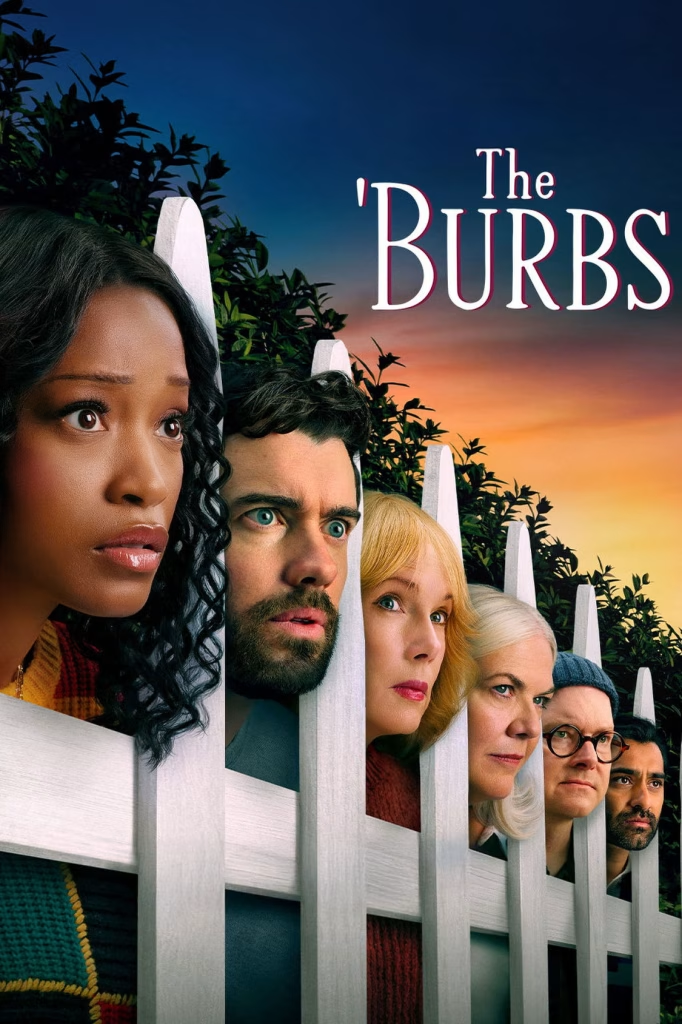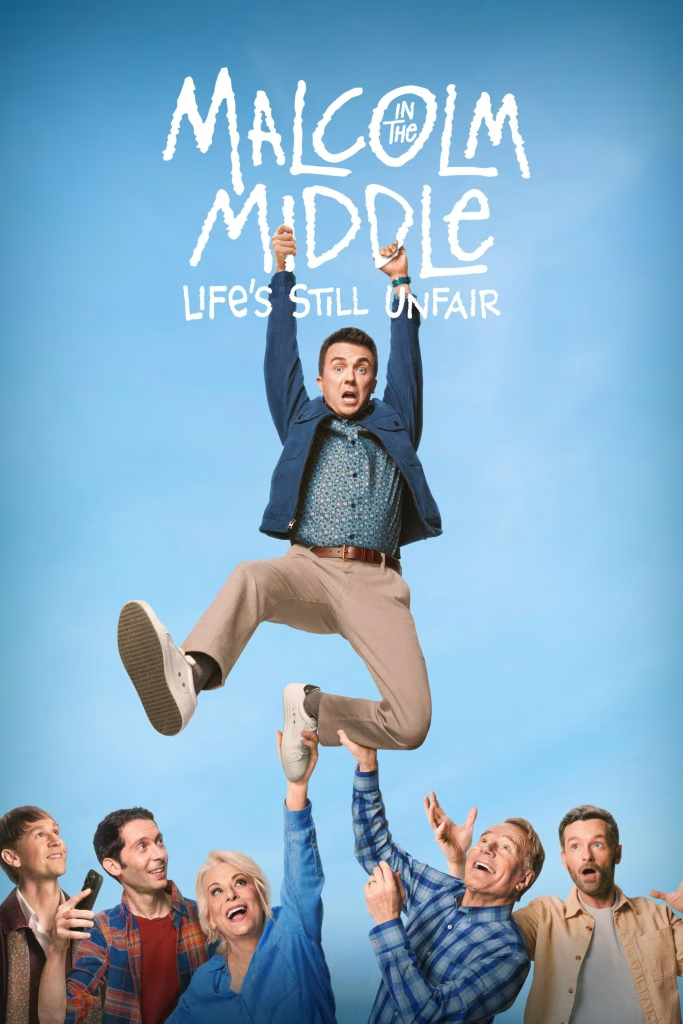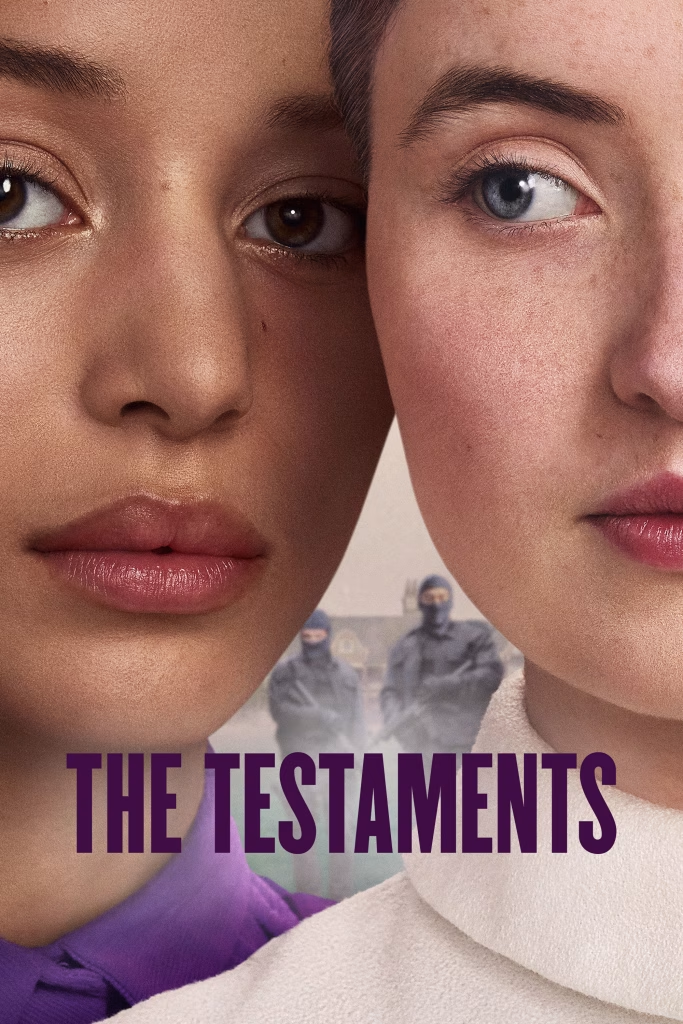

Choosing a new television show is partly about choosing how much time and attention you want to invest. A limited series and a multi-season show can tell equally strong stories, but they create very different viewing expectations. One is usually designed around a contained beginning, middle and end; the other may build a world that changes over years. Understanding that difference can help you pick the right series for your mood instead of starting something that demands more commitment than you wanted.
A limited series usually promises a contained story
Limited series are generally designed to tell one central story across a fixed group of episodes. The characters may evolve dramatically because the writers know there is a defined endpoint. That structure can create a sense of momentum: each episode is working toward a conclusion rather than keeping every major storyline alive for future seasons.
This format works especially well for mysteries, historical dramas, adaptations and character studies where the emotional impact depends on reaching a specific ending. It can also be attractive to viewers who want a complete experience over a weekend or a few evenings without committing to several years of television.
Multi-season shows have more room to grow
A continuing series can spend more time developing relationships, supporting characters and long-term story arcs. Instead of resolving every conflict quickly, writers can allow personalities to change gradually and revisit consequences much later. That extra space is one reason long-running shows can create such strong attachments between audiences and characters.
The trade-off is commitment. A show with many seasons may contain dozens of hours of material, and its tone or quality can change over time as writers, cast members and production priorities evolve. Before starting, it helps to know whether you want a long relationship with a fictional world or a shorter, more concentrated story.
Episode count changes the rhythm of storytelling
A six-episode limited series often has little room for standalone adventures. Every chapter may need to advance the central plot. By contrast, a twenty-episode season can include side stories, slower character episodes and more experimentation. Neither structure is automatically superior; they simply use time differently.
Short seasons can feel cinematic because there is less repetition and fewer detours. Longer seasons can feel more lived-in because viewers spend more ordinary time with the characters. Your preference may depend on whether you enjoy constant plot movement or the slower process of becoming familiar with a world.
Endings carry different expectations
When a series is promoted as limited, viewers reasonably expect major questions to be answered by the final episode. An ambiguous ending can still work, but it usually needs to feel intentional rather than like a cliffhanger waiting for a renewal. The promise of closure is part of what makes the format appealing.
Continuing shows often end seasons with unresolved problems because anticipation is part of the design. That can create excitement, but it also means a cancellation may leave storylines unfinished. If unfinished television stories frustrate you, checking whether a long series has a completed run can be useful before investing many hours.
Release style can make the same format feel different
A limited series released all at once can feel like a long movie divided into chapters. The same series released weekly gives viewers time to discuss clues, theories and character choices between episodes. A multi-season show can also change dramatically depending on whether you binge it or watch one episode at a time.
Our guide to weekly episodes versus full-season drops explores how release patterns affect memory, conversation and pacing. The format of the show and the way it is released are separate decisions, but together they shape how the story feels.
Limited does not always mean there will never be another season
Television labels can change. A successful limited series may return as an anthology, continue with a new storyline or receive an unexpected second season. That does not make the original structure meaningless, but it is worth remembering that marketing categories are not permanent legal definitions.
What matters is whether the season you are about to watch feels complete on its own. If the first run provides a satisfying arc, an eventual continuation can be treated as an additional chapter rather than something required to finish an incomplete story.
Think about your available time and attention
A limited series is useful when you want something substantial but manageable. A multi-season show is better when you want a world you can return to repeatedly. If you are already following several long series, adding another large commitment can turn entertainment into a backlog instead of something enjoyable.
Peleza Stream’s Series catalogue and Series & TV guides can help you compare options before you start. You can also use our guide on what to check before starting a new series when you want to judge the commitment more carefully.
Choose the format that suits the story experience you want
Limited series offer focus and the expectation of closure, while multi-season shows offer breadth, familiarity and long-term development. Neither format is inherently more serious, more cinematic or more rewarding. The better choice is the one that matches your available time and the kind of storytelling rhythm you enjoy at that moment.