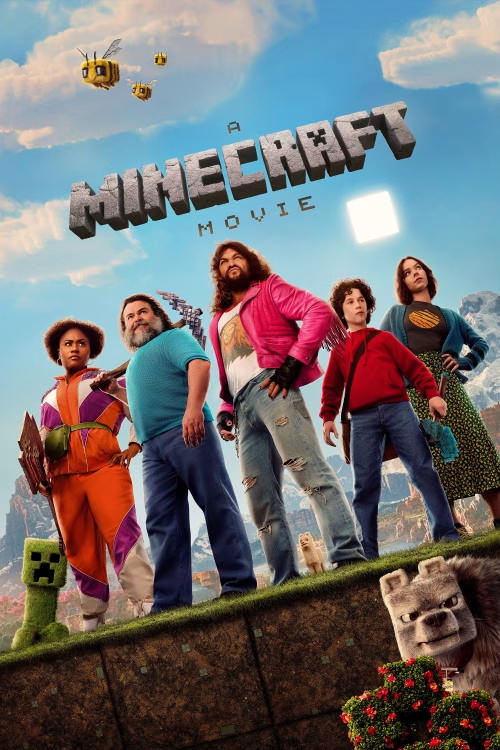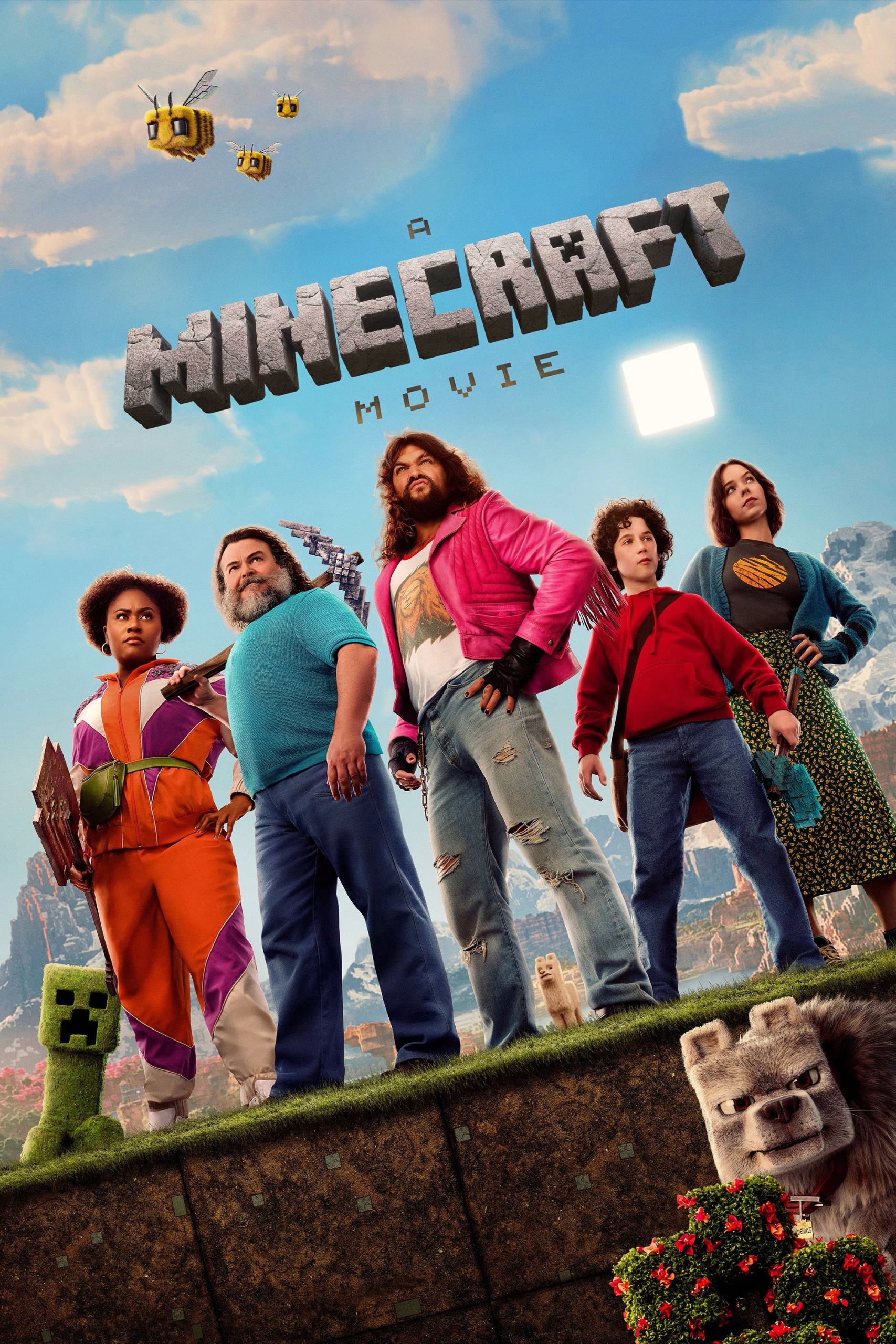
Many adventure stories place a barrier in front of the characters and ask whether they can defeat the person or creature guarding it. A Minecraft Movie has access to another kind of solution: the environment can be changed through construction. A wall may be climbed, but it can also become part of a bridge or an entirely new route. The Overworld’s familiar building logic makes creativity a form of practical intelligence. This shifts the emphasis from physical dominance to choosing useful materials, anticipating what is needed and working with others. A compelling adaptation should make those decisions understandable even for viewers who have never played the game.
Freedom needs clear limitations to create suspense
If characters can construct almost anything without difficulty, obstacles may seem unimportant. A successful adventure therefore needs boundaries: materials may be unavailable, time may be limited or an apparently clever plan may create a new problem. The film’s interest lies in how characters navigate those constraints rather than in treating creativity as an effortless magic wand. Games often create satisfying challenges by requiring players to understand their environment before they can change it. A movie can borrow that logic through visible cause and effect. The audience should see why a solution works and what the characters had to discover or sacrifice to make it possible.
A shared world can support different personalities
One character may approach an unfamiliar environment cautiously, another with enthusiasm and a third through practical experimentation. A flexible world gives those approaches room to collide. The group can disagree about what to build, how much risk to accept or whether a detour is worthwhile. Such conflicts can be playful while still revealing values. A person who is quick to improvise may overlook safety, while somebody focused on rules may miss an unexpected possibility. A strong ensemble allows the characters to learn from one another rather than having one gifted builder solve every challenge. Cooperation becomes the mechanism through which the group discovers new options.
The look of the world should reflect its rules
Minecraft is immediately recognizable through block-based shapes and a distinctive approach to objects, landscapes and creatures. A film has to translate those visual principles into a setting that actors and audiences can engage with emotionally. Literal replication of game imagery is only one concern. The environment also needs consistency so viewers can anticipate what can be climbed, constructed or damaged. Production design and visual effects become part of the narrative grammar. If a structure appears possible in one scene and impossible in another without explanation, the audience may struggle to follow the adventure. Coherent rules allow stylization to feel convincing even when the world is deliberately unrealistic.
Humour grows from experimentation
A world that invites people to build and test ideas naturally creates opportunities for unexpected results. A character may confidently attempt a solution only to discover that they misunderstood a material or the environment. Such mistakes can be funny without making the character foolish. The humour works best when it follows recognizable reasoning and has consequences the group must address. A successful experiment can also be satisfying because the audience has watched the earlier failed attempts. That rhythm resembles problem-solving in games while remaining cinematic. The story should not need to pause for lengthy tutorials; character reactions and visible outcomes can teach the audience enough to appreciate the next decision.
Success is not always about defeating an enemy
An adventure can have a villain or external threat while still defining achievement more broadly. The characters might need to protect companions, discover a route home or create something that allows everyone to continue. Such objectives give construction a personal meaning. A bridge may matter because it permits someone who was stranded to join the group, not simply because it looks impressive. The emphasis on usefulness can create a distinctive emotional identity for the movie. A solution built through cooperation feels different from one achieved through superior force. Viewers can appreciate a clever structure because they understand the relationships and risks that made its construction important.
An adaptation should welcome players and newcomers
Fans of the game may enjoy recognizing familiar objects, creatures and mechanics, but the film must also establish its world for people without that knowledge. References are most satisfying when they serve the story independently of recognition. A creature’s behavior should be understandable from what it does; a construction rule should be demonstrated before it determines a major outcome. A movie that requires the audience to have memorized a game guide risks losing the very viewers a broad adventure could reach. At the same time, ignoring the game’s creativity would make the setting feel generic. The best balance honors recognizable logic while allowing the characters to discover it naturally.
A viewing approach focused on problem-solving
During A Minecraft Movie, ask what each obstacle requires the group to understand before acting. Notice which solutions depend on cooperation and which introduce new risks. Pay attention to how the environment is established before characters change it. Such details can reveal a coherent adventure structure beneath the jokes and visual references. See the A Minecraft Movie catalogue page for title information and explore Peleza Stream Movies for other family adventures. Authorized regional services determine actual playback availability.
Closing perspective
A Minecraft Movie has an appealing distinction from many fantasy adventures: changing the environment can be as important as overcoming an opponent. Construction turns imagination into action, while material constraints and group relationships determine whether an idea is useful. When building serves recognizable character needs, the film’s game-inspired world becomes a means of storytelling rather than merely a collection of references.