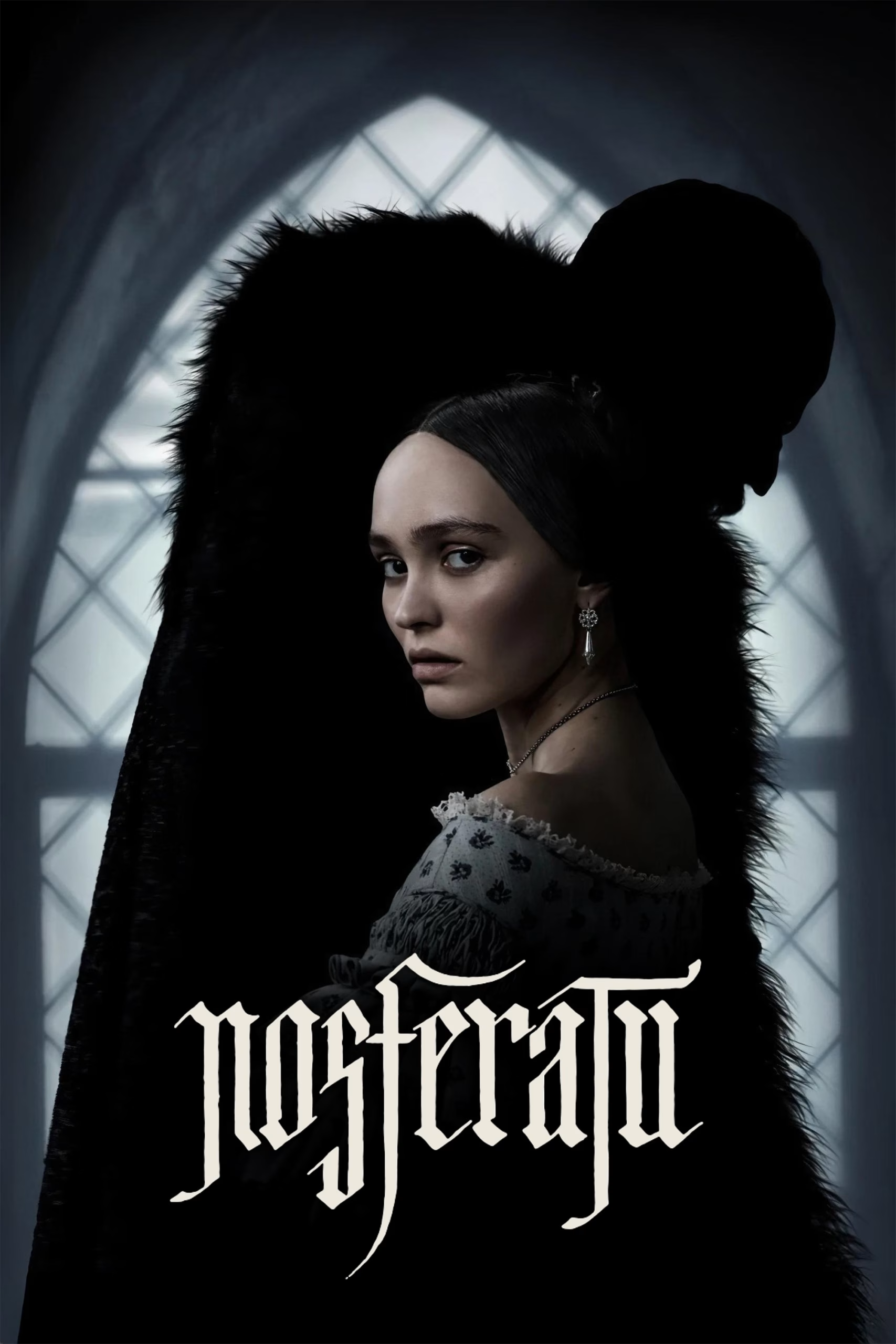
Nosferatu is built around a frightening imbalance: a haunted young woman becomes the focus of a vampire’s obsessive attention. That is more unsettling than an ordinary contest between equally matched opponents. The threat does not merely want to defeat somebody; it seeks access to a person’s private life and freedom. Gothic storytelling makes that violation visible through isolated spaces, ominous architecture and the contrast between social respectability and hidden danger. A scene can feel threatening before the vampire appears because the audience recognizes how little control the person at risk may have over the terms of the encounter.
The home becomes uncertain territory
Many horror films frighten audiences by leading characters into obviously dangerous places. Gothic horror can reverse the pattern by suggesting that danger may penetrate the home. A bedroom or corridor that once offered privacy becomes uncomfortable when the character doubts its security. Windows, doors, curtains and thresholds acquire emotional importance because they separate a vulnerable person from an outside force. Notice how the film organizes these spaces and whether the camera gives viewers a clear sense of an approaching boundary. When a supposedly protective interior fails to reassure, ordinary domestic routines become part of the suspense.
Obsession is not the same as romance
The vampire’s fascination may be expressed through the language of longing, but attraction does not make coercion loving. That distinction matters in a story where an individual becomes the object of another being’s fixation. Gothic traditions often blur desire and terror to expose relationships shaped by entitlement. The audience can acknowledge the emotional intensity of a confrontation without accepting the aggressor’s interpretation of it. Consider who is permitted to refuse, who sets the conditions and whose fear is ignored. Those questions make the film’s relationship dynamics more disturbing than a straightforward encounter with a dangerous animal.
Silence and sound influence anticipation
A horror sequence does not need constant loud music to create dread. A sustained quiet passage can encourage viewers to listen for footsteps, breathing or a subtle change in the environment. When the soundtrack eventually introduces an unfamiliar sound, the contrast gives it significance. The way sound carries through an interior can also suggest distances that the camera has not shown. Good sound design helps the audience imagine a presence beyond the visible frame. The question is not how often the film startles viewers, but how effectively it teaches them to anticipate danger in apparently ordinary moments.
Light can conceal information in plain sight
Strong contrasts between darkness and illumination are part of gothic cinema’s visual vocabulary. A figure may remain partly obscured while a familiar object becomes unusually prominent. Shadows can make a room appear larger or less predictable than it is. Yet dark imagery only works when enough information remains visible for viewers to recognize the important action. Notice what the film allows you to see clearly and what it withholds. A shadow can represent uncertainty, but it can also show the direction from which a threat approaches. Cinematography becomes storytelling when those choices serve the characters’ knowledge.
A period setting changes the available protections
A gothic setting often places characters within social expectations and technologies different from those of contemporary life. Communication, medical knowledge and the ability to travel may all shape responses to an unexplained threat. Community beliefs can influence who is trusted and whose account is dismissed. These constraints make fear plausible without requiring every character to behave irrationally. A person might seek help through the authorities or experts available to them, only to discover that those institutions cannot adequately describe the danger. The setting becomes a source of uncertainty rather than simply an attractive collection of costumes.
Monsters can expose the cruelty of ordinary systems
The vampire is extraordinary, but the surrounding people’s reactions may be recognizable. Some protect their reputations, others dismiss distress and some are willing to act only after the threat becomes impossible to ignore. Such responses can make supernatural horror a commentary on vulnerability. A frightened person may struggle against both the creature and the social environment that refuses to recognize the problem. The strongest gothic narratives do not require the monster to explain the message. They reveal the consequences through who receives help, who is doubted and what protection actually costs.
A way to watch the film without spoiling its shocks
Focus on the use of domestic spaces, the meaning of thresholds and the difference between longing and control. Notice how long the film allows a threat to remain unseen and how actors respond before an overt frightening image appears. Consider whether the setting gives the person in danger any reliable source of protection. For the film’s basic information see Nosferatu on Peleza Stream, and explore the movie catalogue for other gothic and psychological horror. Check licensed services for your region’s viewing options.
Final perspective
Nosferatu works as gothic horror when obsession, space and atmosphere reinforce one another. The vampire’s power is frightening not simply because it is supernatural, but because it threatens a person’s autonomy in places that should feel safe. Visual darkness, uncertain institutions and the difficulty of refusing unwanted attention can all make the premise resonate beyond a single creature encounter.
What makes this adaptation worth discussing
Adaptations of well-known vampire stories enter a cultural conversation that began long before any particular film. That history creates recognizable expectations about the creature’s appearance, methods and weaknesses, but individual filmmakers still choose which emotions to emphasize. A new interpretation may give more attention to the person being pursued, the social environment that fails to protect them or the disturbing force of obsession itself. Viewers can assess whether familiar motifs deepen the story instead of simply serving as references. A worthwhile adaptation does not need to reproduce every earlier version; it needs to make clear why this particular combination of imagery, performance and character conflict matters now.