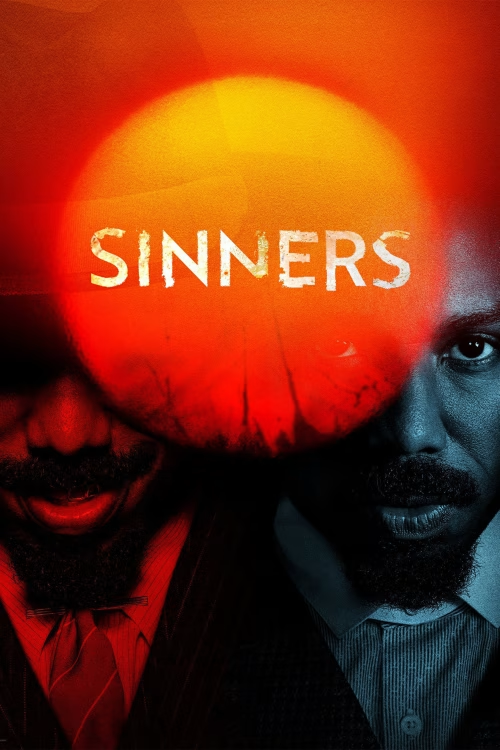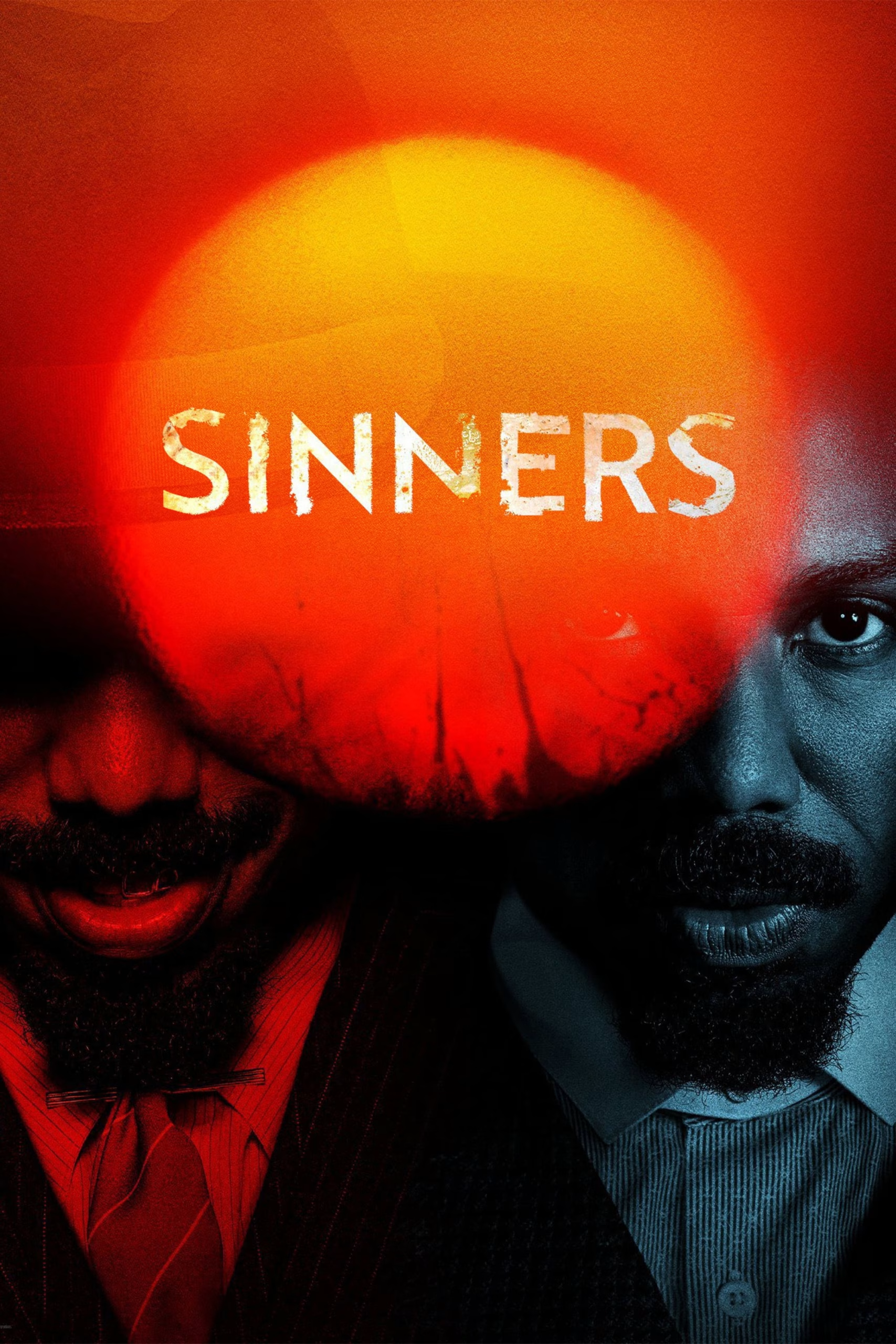
Sinners begins with twin brothers returning to their Mississippi hometown after years away, hoping to build something of their own and leave parts of their past behind. The plan centres on music, community and the promise of a fresh start, but the homecoming quickly becomes more dangerous than either brother expects. What makes the setup effective is that the threat is not dropped into an empty place: it arrives in a community already shaped by family history, race, religion, work, memory and the power of music.
This spoiler-light guide focuses on the themes and dramatic structure rather than revealing the film’s biggest turns. For the stored synopsis, artwork and title information, open the Sinners movie page on Peleza Stream. You can also browse the wider Movies library for more horror, drama and thriller titles.
The twins make the homecoming feel personal before the horror takes over
A return-home story works because every location can carry history. The brothers are not entering an unfamiliar town; they are returning to people who remember them, expectations they once escaped and relationships that cannot be reset simply because time has passed. That gives the first part of the film tension even before the supernatural danger becomes clear.
The twin dynamic also lets the story explore similarity and difference at the same time. They share history and loyalty, but they do not always respond to risk in exactly the same way. Watching how each brother reads a situation gives the conflict a human foundation.
The juke joint turns music into more than background
The decision to build a place around music is important because the film treats performance as a social force. A song can hold memory, bring people together, express grief or create a temporary sense of freedom. That makes the gathering space dramatically useful: it is both a business plan and a place where the community can define itself on its own terms.
Because music already carries meaning before the danger arrives, later scenes do not need to explain why the space matters. The audience has seen what people hope it can become. Threatening that space therefore means threatening more than a building.
The period setting gives the conflict additional pressure
The historical setting matters because the characters are already living inside systems that limit safety and opportunity. Economic pressure, racial violence and the need to build community outside hostile structures all shape their choices. The supernatural element becomes more effective when it enters a world where danger did not begin with monsters.
That layered pressure helps the film avoid treating horror as something disconnected from ordinary life. The characters have reasons to distrust institutions, protect one another and value spaces they control themselves.
The horror works through temptation as much as attack
The most memorable horror stories often ask what a threat can offer, not only what it can destroy. A danger that promises belonging, escape, power or release can be more unsettling than one that only chases people. That kind of temptation turns survival into a moral and emotional decision.
Without spoiling the film’s reveals, it is useful to watch how invitations, promises and performances are framed. The story repeatedly asks whether something attractive on the surface can demand a cost that is only visible later.
Community becomes the real measure of survival
The brothers may be central, but the film’s emotional weight depends on the people around them. Musicians, family members, workers, friends and neighbours give the story a network of loyalties. That means survival is not simply about an individual escaping danger.
Pay attention to who chooses to protect another person, who is willing to sacrifice trust for advantage, and who understands the value of the community being created. Those decisions reveal the film’s priorities more clearly than a simple body count.
Why the film’s genre mixture feels deliberate
Sinners blends crime, period drama, music and supernatural horror. Those elements are not competing for attention so much as building on one another. The crime background gives the brothers a past, the period setting creates social pressure, the music creates community, and the horror tests everything the characters have tried to build.
That structure is worth keeping in mind if the opening seems slower than a conventional monster film. The early material is establishing what is at stake so that the later danger has something meaningful to threaten.
What to watch for without spoilers
Watch the way music changes the mood of a room and the way different characters respond to it. Notice who treats the gathering as business, who sees it as freedom and who understands it as something almost spiritual. Those differences matter when the story begins connecting music to larger ideas about memory and identity.
Also notice how often the film returns to the idea of crossing a threshold. Physical doors matter, but so do emotional invitations and choices about who is allowed into a community.
Who is Sinners likely to work for?
The film is likely to work best for viewers who enjoy horror with atmosphere, character relationships and social context rather than nonstop scares. It also has strong appeal for audiences interested in stories where music and place are central to identity.
Go in knowing only that two brothers return home to build a new beginning and discover that the town is facing a danger bigger than the trouble they expected. The film’s impact depends on letting the connections between music, history and horror unfold in their own time.