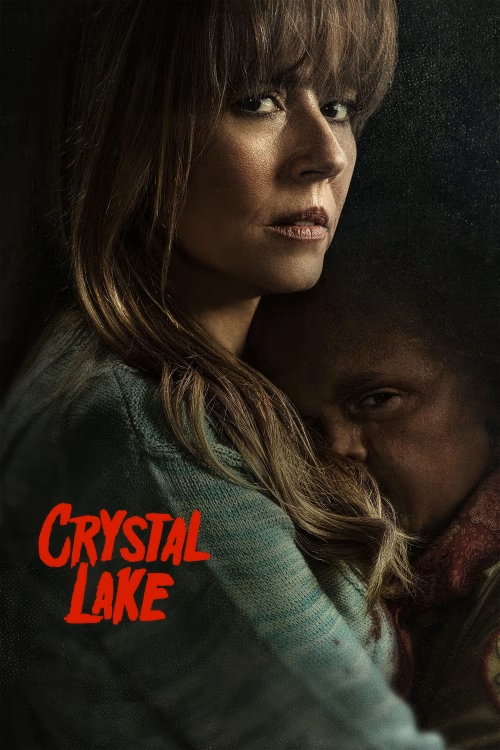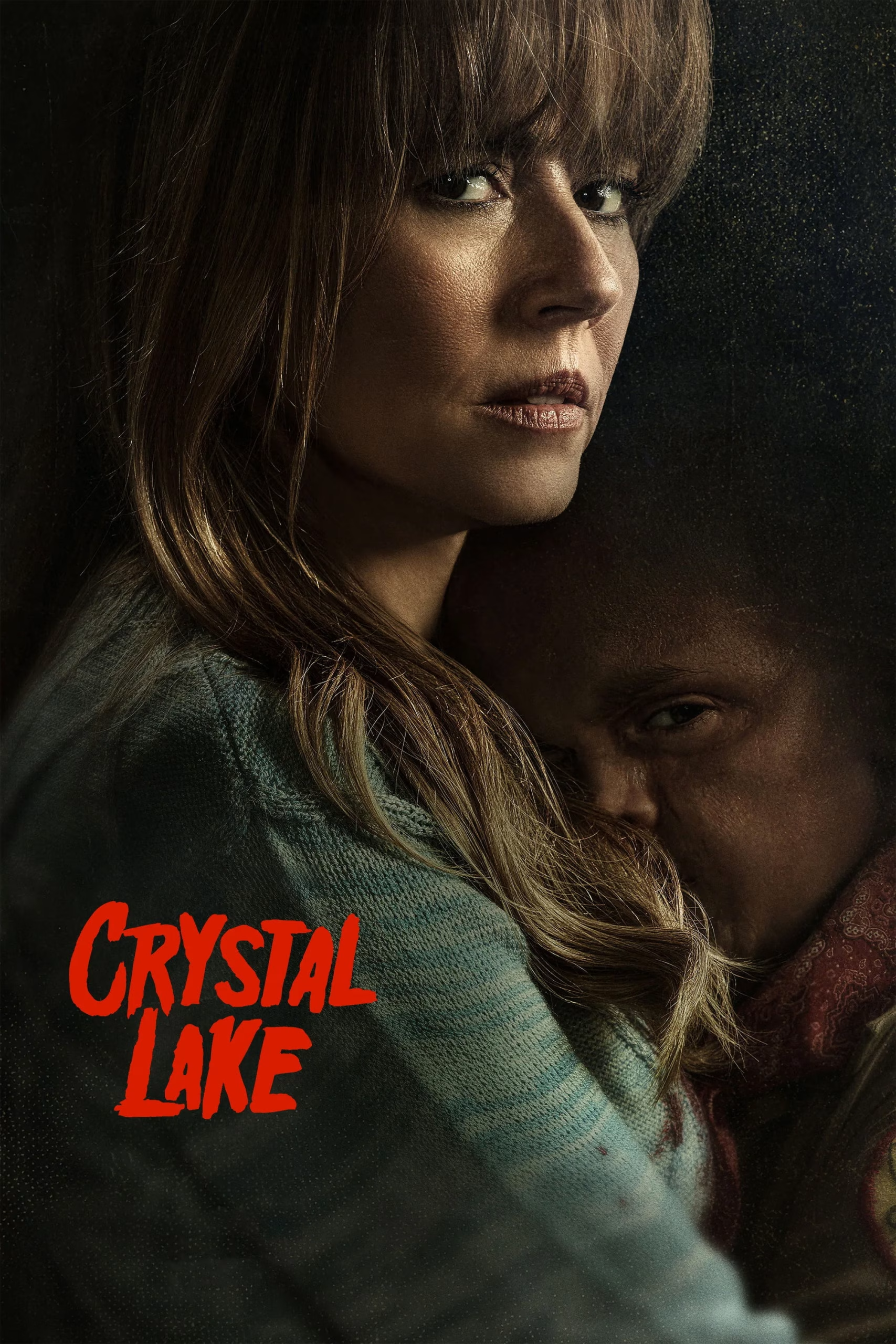
Crystal Lake returns to the world of Friday the 13th from a different angle: instead of beginning with Jason Voorhees as the familiar masked killer, the Peacock and A24 prequel moves back toward the family history, community and emotional damage that existed before the mythology hardened into a slasher formula. That change matters because it gives the series room to make Camp Crystal Lake feel like a real place with a past rather than only a location waiting for the next body count.
This spoiler-light guide focuses on Pamela Voorhees, the camp setting, the prequel structure and what the official information suggests about the series without walking through unreleased plot turns. For Peleza Stream’s stored synopsis, artwork and catalogue details, visit the Crystal Lake series page. You can also browse the wider Peleza Stream Series library.
Pamela Voorhees changes where the story’s emotional weight begins
Linda Cardellini’s Pamela Voorhees is a much more useful centre for a long-form prequel than a simple attempt to recreate Jason’s later image. Pamela already carries one of the franchise’s most important emotional ideas: grief can become distorted when it is mixed with blame, isolation and a community that does not understand the depth of a loss. A series has enough time to show that process rather than treating it as a late explanation.
That perspective also changes the kind of suspense the audience experiences. Viewers know the Voorhees name and know that Crystal Lake will eventually become inseparable from violence, but the characters inside the story do not necessarily understand where the danger is heading. The tension therefore comes from watching ordinary choices accumulate meaning.
The camp can finally function as a community instead of only a crime scene
Across the films, Camp Crystal Lake often arrives already loaded with dread. A prequel can reverse that relationship. Cabins, trails, the lake and nearby homes can first be shown as places where people work, raise children, form friendships and make mistakes. When a familiar location is allowed to feel normal, later fear can become more effective because the audience understands what has been lost.
That community view can also make the title more meaningful. “Crystal Lake” is not only the name of a camp or a franchise landmark; it can describe the network of people whose decisions shape the Voorhees family’s experience. A town that looks quiet from the outside may contain social divisions, secrets and old assumptions that a feature film would not have time to explore.
A prequel works best when it adds meaning rather than simply answers trivia
The danger with any franchise prequel is that it can become a checklist of explanations: how an object appeared, why a character chose a name, when a location was built. Crystal Lake has a better opportunity if it uses familiar history as pressure rather than as a puzzle to solve. The audience does not need every future detail explained. It needs characters whose choices feel important before those choices become mythology.
That means the most interesting questions are emotional. What kind of mother is Pamela before grief defines her? What does the camp mean to local families before tragedy changes its identity? Which relationships become impossible to understand once later generations only remember the violence?
The Friday the 13th mythology looks different through Pamela’s eyes
Jason’s later image is so dominant that it can flatten the earlier story. Putting Pamela back at the centre restores the idea that the franchise began with a mother, a child and a community failure. That does not excuse violence, but it gives the story a human starting point from which obsession and horror can grow.
It also creates space for a different style of performance. Pamela can be loving, angry, vulnerable, controlling or contradictory before the audience ever needs to place her inside the role she eventually occupies in franchise history. Long-form television is useful precisely because those contradictions do not have to be resolved in one scene.
Why the 1980 setting can matter beyond nostalgia
A period setting should do more than reproduce clothes, cars and music. The useful question is how people in that time communicate, seek help and interpret danger. A community without smartphones, instant location sharing or modern surveillance has different blind spots. Rumours can travel through personal relationships, and a missing person or family dispute may remain local for longer.
Those limitations can support suspense without feeling artificial. They also allow the series to stay visually connected to the original 1980 film while telling a story designed for television rather than copying the older movie scene for scene.
Official Peacock information gives the series a clear frame
Peacock identifies Crystal Lake as an eight-episode Friday the 13th expanded prequel from Peacock and A24, with Linda Cardellini playing Pam Voorhees. The platform has announced an October 15, 2026 premiere and lists Brad Caleb Kane as creator, writer, showrunner and executive producer. Those details matter because they confirm that the project is not simply borrowing the Crystal Lake name; it is being positioned as a dedicated franchise prequel with room for a season-long story.
For the latest official cast, trailer and release information, see Peacock’s official Crystal Lake guide.
What to watch for without spoilers
Pay attention to how the series uses places before it uses violence. If the camp, the lake or a family home is given ordinary meaning first, that will tell you which losses the story wants to matter later. Also watch how different adults talk about responsibility. A tragedy can create very different stories depending on who believes they were responsible, who believes they were ignored and who wants to move on.
Most importantly, watch Pamela as a person before treating her as a piece of franchise history. The series has the chance to make her decisions understandable without making them simple, which is exactly the kind of character work a prequel can add that the original films never had space to provide.
Who is Crystal Lake likely to work for?
The series should appeal most to viewers who enjoy slow-building horror, franchise mythology and character-driven prequels. Fans looking only for a constant stream of familiar slasher set pieces may find the premise deliberately different. The value is in seeing a well-known horror location before every object and relationship has already been turned into legend.
Go in expecting a story about the people around Crystal Lake, especially Pamela Voorhees, and let the horror develop from that human context. If the series succeeds, it will make the later mythology feel heavier because viewers will understand more clearly what existed before it.