Spoiler level: This guide discusses the direction and major themes of all five seasons of The Boys, but it avoids turning every episode twist into a checklist. For detailed spoilers, use the individual season and episode articles linked through the The Boys series page.
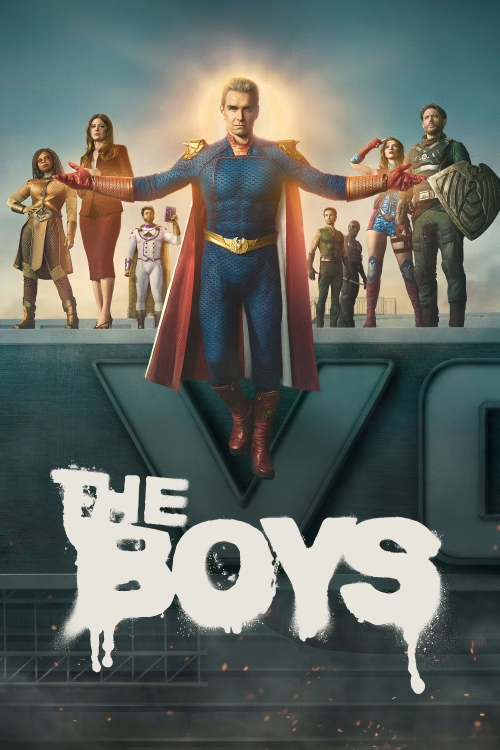
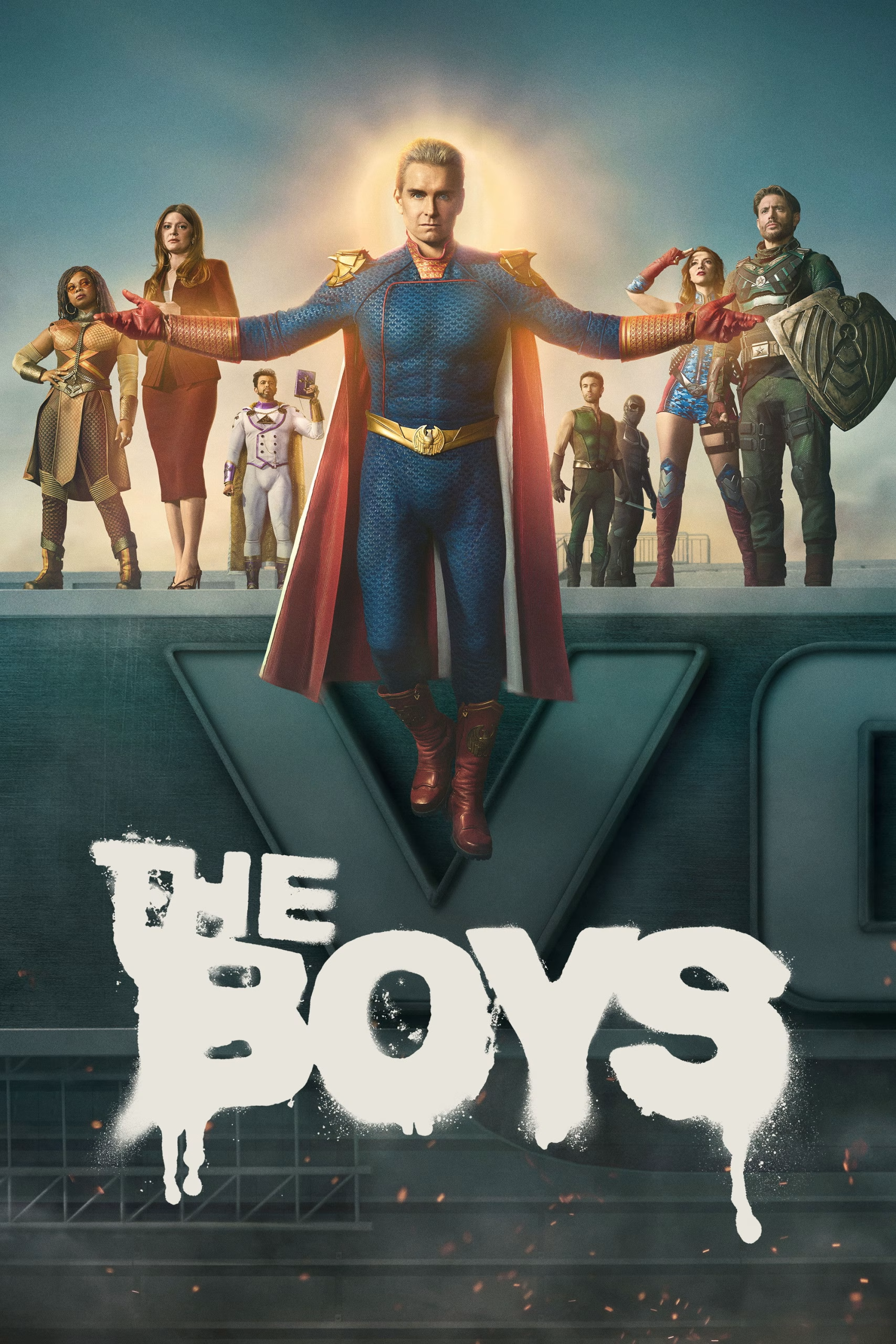
The Boys works best as one continuous escalation. Each season changes the balance of power between The Boys, Vought and the Supes around them. The early story is about discovering what Vought is hiding; later seasons are increasingly about what happens once those secrets are public and the conflict can no longer be contained.
Season 1: discovering what Vought really is
Season 1 begins with Hughie Campbell being pulled into Billy Butcher’s campaign against corrupt Supes. The season introduces The Seven from two directions: Hughie sees the damage powerful heroes can cause outside the spotlight, while Starlight joins the team and experiences Vought’s culture from the inside. That split perspective gives the first season its shape.
The major mystery concerns where superheroes come from and how much control Vought has over them. As The Boys investigate, the company becomes less like a background corporation and more like an active force that can shape evidence, media coverage and careers. Season 1 is therefore the foundation for everything that follows: it establishes the personal grievances, the corporate system and the uncomfortable fact that exposing the truth does not automatically remove the people who benefit from it.
Season 2: the conflict becomes public
Season 2 expands the fight beyond a small group of people operating in secret. The arrival of Stormfront creates a new threat inside The Seven and gives the season a way to explore how extremist ideas can be repackaged for modern audiences. At the same time, Starlight becomes more openly conflicted with Vought and The Boys have to decide who they can trust.
The season also deepens the story around Homelander’s need for control and the existence of Ryan. That family dimension changes the stakes for both Homelander and Butcher. By the end of the season, the conflict is no longer only about proving that individual Supes have committed crimes; it is about whether the institutions surrounding them can survive repeated exposure.
Season 3: power becomes the temptation
Season 3 asks a dangerous question: if The Boys hate the unfair advantage created by superpowers, what happens when they gain access to power themselves? Temp V changes the internal dynamics of the team, especially for Butcher and Hughie, because it offers a shortcut to fighting enemies who are physically stronger than any normal human.
Soldier Boy becomes another major factor. His history connects the present-day superhero system to an older version of Vought’s mythology, while his abilities make him both a possible weapon against Homelander and a threat in his own right. The season pushes the characters toward choices where “winning” and “doing the right thing” are no longer the same thing.
Season 4: institutions start breaking apart
Season 4 takes many of the tensions built across the first three seasons and makes them harder to contain. Homelander’s political and cultural influence grows, the people around him become more willing to organise themselves around his worldview, and The Boys face increasing pressure from both outside enemies and their own internal damage.
Butcher’s condition also becomes a major source of urgency. His earlier choices have consequences that cannot simply be reversed, and the team has to function while its most aggressive leader is increasingly unpredictable. Season 4 is important because it prepares the story for an ending rather than another reset: by its conclusion, the conflict has moved into a much more openly authoritarian phase.
Season 5: the final confrontation
Season 5 is the final season of the main series. Prime Video describes a situation in which Homelander’s control has expanded dramatically while Butcher, Hughie, Annie and the rest of The Boys organise resistance against overwhelming odds. The season is less about uncovering one more secret and more about resolving the long-running struggle over who gets to control the world that Vought helped create.
Because the fifth season is the conclusion, it also pays off relationships and moral choices that began in Season 1. Characters who once believed they could keep personal lives separate from the larger conflict discover that there is no neutral position left. The result is a season built around consequences rather than introduction.
The simplest way to watch or revisit the story
If you are starting fresh, watch the seasons in release order. The show relies heavily on consequences from previous seasons, and jumping ahead will remove much of the impact of later reveals. If you are revisiting the series, our season pages are designed to help you remember the important turning points without reading dozens of unrelated summaries.
Next in this cluster is The Boys Season 1 Explained: Story, Characters and Ending. That article will move into full spoilers and explain how Hughie, Butcher, Starlight, Homelander and Vought are positioned by the end of the first season. From there, the episode recaps connect directly to the matching Peleza episode pages.
Why separate season and episode guides matter
A season guide should explain the larger arc, while an episode recap should answer the smaller questions: what changed in this episode, why a character made a decision, what the ending means and what is being set up next. Keeping those jobs separate makes the site easier to navigate and prevents one enormous article from becoming difficult to use.
You can return to the The Boys catalogue page on Peleza Stream at any point. As more guides are published, that page will collect them automatically in the Stories & Guides section.