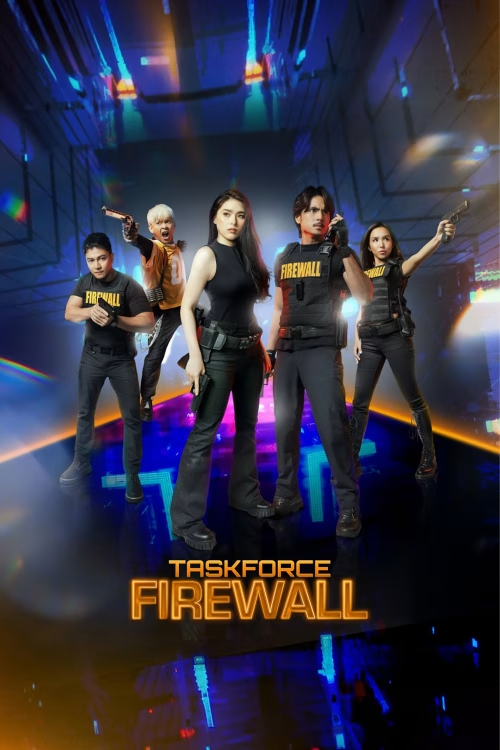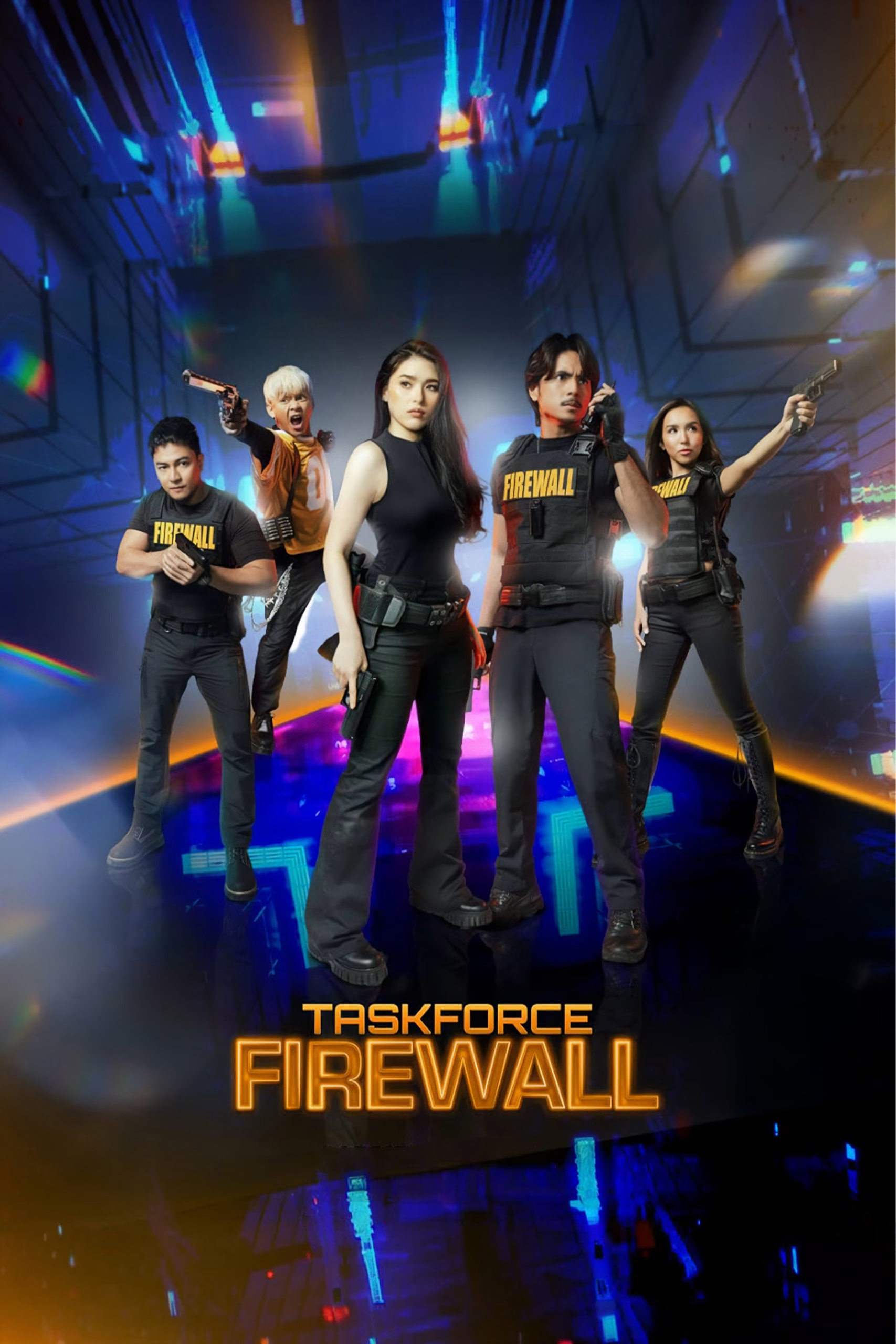
Taskforce Firewall uses cybercrime as the starting point for an action-oriented team story. The Peleza Stream catalogue describes a group of individuals who become cyber protectors against modern digital threats, combining cybercrime investigations with field operations, intense combat and technology-driven missions. That mix suggests a series interested in showing that digital threats can create consequences far beyond a computer screen.
This guide gives a spoiler-light overview of the premise and what to look for in the opening episodes. For the live catalogue entry, artwork and any current availability details, open the Taskforce Firewall series page on Peleza Stream.
Cybercrime gives the team a modern kind of threat
Cybercrime works well for television because the threat can begin invisibly. A stolen credential, compromised system or malicious network can appear abstract at first, but the effects may reach people, institutions and physical infrastructure. A series built around cyber protectors has the opportunity to turn technical problems into urgent story stakes.
The key challenge is clarity. Viewers should understand why a digital event matters even when they do not know the technical details. Strong episodes will translate the problem into consequences: what is at risk, who is affected, what the attackers want and why the team has limited time to respond.
Why field operations matter
The catalogue description explicitly mentions field operations and combat. That means Taskforce Firewall is not presented as a series where characters spend every episode sitting behind monitors. The team may need to move between analysis, investigation and direct intervention.
This can create useful contrast between different skills. One member may understand systems or data, another may be stronger in tactical situations, and another may interpret human behaviour. Even without assuming specific character roles, the premise naturally supports teamwork because modern digital threats often require more than one kind of expertise.
Technology should support the tension, not replace it
One risk in technology-focused drama is using technical language as decoration. The more effective approach is to make technology part of a decision. Does the team shut down a system and cause disruption, or keep it running and risk further compromise? Do they trust a source? Do they reveal that they know an attacker is inside a network, or watch longer to gather evidence?
Those choices are understandable even to viewers who are not technical specialists. When the story focuses on consequences and trade-offs, the technology becomes a source of tension instead of a wall of jargon.
The series may appeal to action and investigation fans
Taskforce Firewall appears positioned between procedural investigation and action drama. Viewers who enjoy case-driven stories may appreciate the process of identifying a threat, tracing its source and understanding the motive. Viewers who prefer faster physical stakes may respond to the field missions and combat promised in the catalogue description.
The balance between those elements will matter. Too much technical exposition could slow the action, while constant combat could make the cybercrime premise feel superficial. The strongest episodes are likely to connect both sides so that the physical mission exists because of what the team discovered digitally.
How to judge the team dynamic
Team-based series often become enjoyable when the characters have different approaches to risk. One person may act quickly, another may demand more evidence, and another may focus on the people affected by the threat. Those differences can create conflict without requiring the team to become dysfunctional.
In the first few episodes, pay attention to whether each major team member has a clear reason to be present. A strong ensemble does not require every character to receive equal screen time immediately, but viewers should begin to understand what each person contributes.
What to watch for in the cybercrime investigations
Good cybercrime stories usually establish a chain of cause and effect. Something unusual happens, the team identifies evidence, the evidence narrows the possibilities and the investigation changes direction. The audience does not need to predict every solution, but it should be able to follow the logic.
If the show introduces specialist terminology, context should make its importance clear. You should know whether a discovery is good news, bad news or a new uncertainty even if you could not reproduce the technical process yourself.
Use the Peleza catalogue page for current title information
The Taskforce Firewall page on Peleza Stream is the current internal title reference. It carries the series poster and metadata and can be updated when new episode or source information is available.
Remember that a catalogue page and a playable source are not the same thing. Check the title page for the current state of trailers, previews, episodes or source links before assuming full playback. This is especially important for imported catalogue titles, where metadata may be available before a verified viewing source is attached.
For an external metadata reference, see Taskforce Firewall on TMDb. More technical and viewing explainers are available in Peleza Stream Articles & Guides.
A simple first-episode test
After the opening episode, ask whether the central threat was understandable, whether the team’s response followed a logical path and whether the action was connected to the investigation. If those three elements work together, the series has established the core of its format.
Also notice whether the technology creates meaningful decisions. The best reason to continue will be the feeling that the team is solving problems through a combination of expertise, judgement and action rather than relying on convenient technical shortcuts.
Why cyber stories work best when the human stakes are visible
Digital attacks can sound remote until a story shows who is affected. A useful cybercrime episode connects systems to people: a hospital cannot access records, a business loses control of sensitive information, a public service is disrupted or an individual is targeted through stolen data. The exact scenarios may vary, but the principle is the same. Technology becomes dramatic when the audience understands the human consequence.
This also gives the team a reason to care beyond simply completing a technical assignment. The strongest missions can reveal how different members respond to pressure, responsibility and uncertainty while still delivering the investigation and action promised by the premise.
A viewing checklist for the first missions
When you watch the opening episodes, ask whether the cyber threat is explained clearly enough to follow, whether each clue changes the investigation, whether the field operation grows logically from the digital evidence and whether the team members have distinct functions. Those four checks make it easier to tell whether the series is using cybercrime as a meaningful story engine or only as a fashionable backdrop.
If the investigations remain understandable and the action feels earned, Taskforce Firewall can offer a satisfying mix of modern threat, procedural logic and team-based suspense.
Final viewing perspective
Taskforce Firewall has a contemporary premise with broad appeal: digital threats, investigations and missions that move into the physical world. That gives it room to combine suspense, teamwork and action while exploring how dependent modern life has become on connected systems.
If cybercrime thrillers or team-based action series interest you, start with the Peleza Stream Taskforce Firewall catalogue page. Use the early episodes to judge whether the show makes its technology understandable, its threats consequential and its team dynamic strong enough to carry repeated missions.