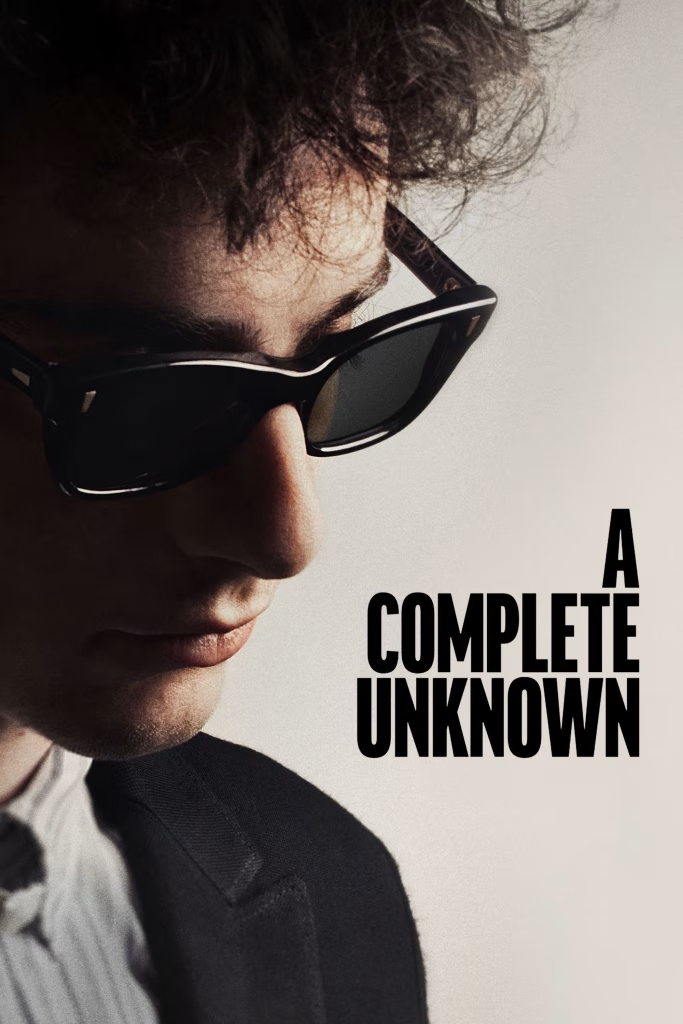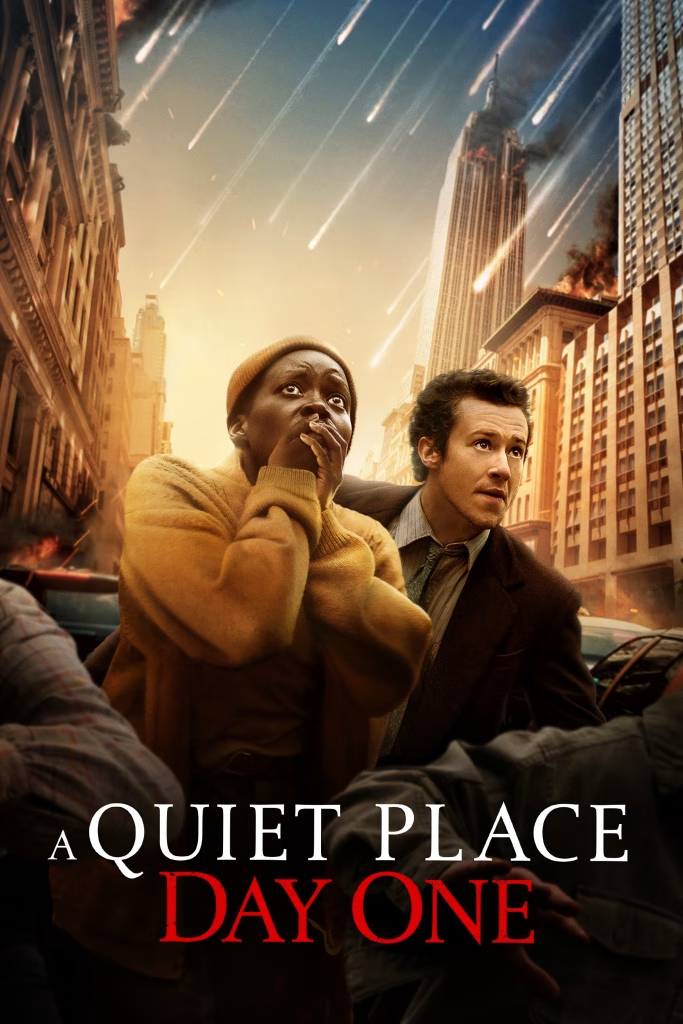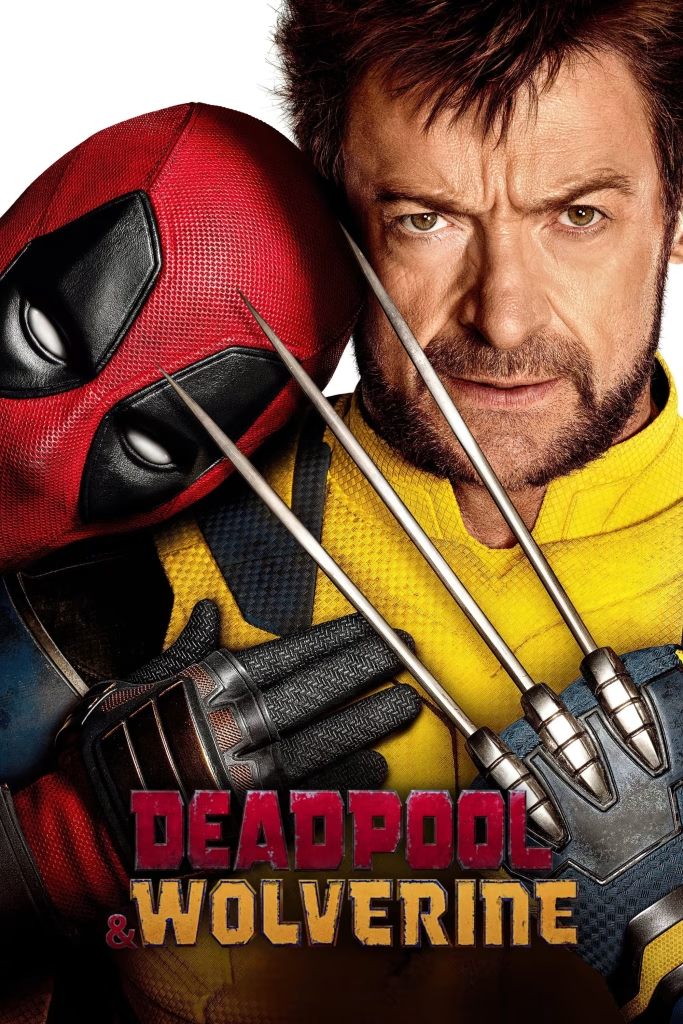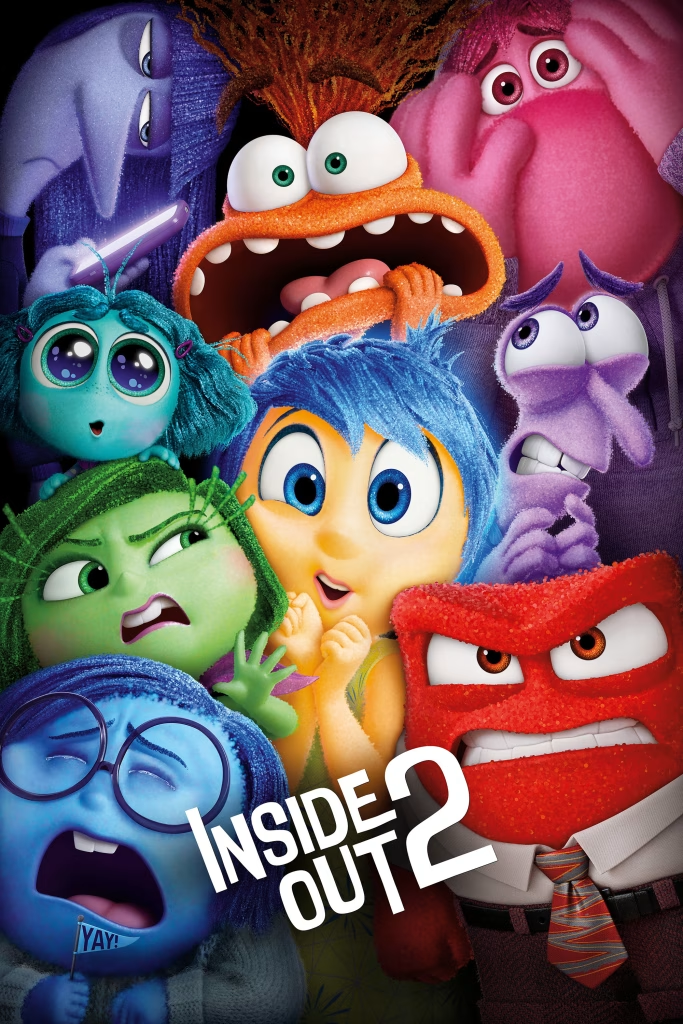
A film may begin with wide black bars above and below the image, then suddenly fill more of your television during an action sequence. It can look like somebody changed a setting midway through playback. Often, however, those changes are deliberate decisions about movie aspect ratios: the relationship between an image’s width and its height. Different compositions direct attention in different ways. Understanding the reasons behind shifting frames helps viewers distinguish artistic choices from genuine playback errors, and explains why using a television’s zoom button is not always a good fix.
Aspect ratio is a shape, not a measure of picture detail
An aspect ratio describes proportions. A common modern television screen is shaped 16:9, while many theatrical films use a significantly wider image. Those dimensions do not automatically say whether the underlying picture is sharp, compressed, high definition or 4K. A widescreen movie can be mastered beautifully at a modest resolution, while a taller image can contain astonishing detail. The ratio changes what fits inside a shot and how objects relate to the edge of the frame. When a director places two people far apart in a wide composition, that horizontal distance may express isolation. In a taller frame, the same scene might emphasize body language, architecture or the space above a character.
What the black bars are actually doing
Black bars, often called letterboxing when they appear at the top and bottom, are a normal way to present a wider image on a less-wide display without cropping it. Side bars can appear when an older or narrower production is shown on a modern television. They are not necessarily wasted space or a sign of low quality. They preserve the edges of the picture as it was prepared for that presentation. Zooming to remove them fills the screen by sacrificing part of the image. A person standing near the edge, a line of subtitles or a carefully arranged visual clue may disappear. Before changing settings, ask whether you want a larger picture or the complete composition; those goals are not always compatible.
Why some films expand during selected sequences
Directors and cinematographers sometimes choose a taller presentation for scenes meant to feel larger or more immersive. The viewer may suddenly see additional space above and below the central action. An action sequence can take advantage of that height to show the full movement of a vehicle, an imposing building or a crowd. The switch can also create a rhythm, making certain passages feel like events within the wider narrative. It is not a universal rule that expanded framing means better storytelling or more expensive technology. Each production chooses whether the variation supports the audience’s experience. The important point is that a changing frame can be part of the language of the film.
The difference between capture and final presentation
A camera records an image in a particular shape, but filmmakers may frame with several possible releases in mind. The finished theatrical version, a special large-format presentation and a home-video edition can use different crops or expanded material. That does not necessarily mean somebody accidentally removed picture information. Different versions may have been approved for different environments. The version that matters is the one intended for the particular release you are watching. If a streaming service lists multiple editions, examine their descriptions rather than assuming the one with the largest visible picture must be the definitive cut. More image area is not always the same as a more carefully composed image.
How framing changes character relationships
Composition is more than a container. A wide image can show a character surrounded by an empty landscape, or allow two people to occupy opposite ends of the screen during an argument. A taller image might emphasize the distance between a person and something above them, such as a mountain, ceiling or towering machine. In a quiet scene, the empty portion of the frame can encourage the audience to anticipate an arrival. Changing ratios within a movie can therefore change emotional emphasis without a line of dialogue. When you notice a shift, look at what new space becomes visible and whether it changes the balance between the characters and their surroundings.
Why trailers and online clips sometimes look different
A promotional clip is not always exported in the exact format used by the finished movie. Trailers may include graphics, captions or crops tailored to social feeds, cinema screens or mobile platforms. An image that appears tall in a phone advertisement could have been reframed from a much wider composition. Fan uploads and unofficial edits can introduce further differences. When comparing a trailer with a feature, confirm that you are looking at material released by an authorized distributor and check whether the version was created for a different platform. Do not use a social-media crop to conclude that a streaming service is hiding part of the finished movie.
Check your television settings before blaming the film
Most televisions offer settings with names such as Original, Just Scan, Fit to Screen, Zoom or Wide. The exact labels vary. To see the intended shape, start with a mode that shows the incoming image without extra overscan or stretching. If round objects look oval or people appear unusually broad, an aspect-ratio setting may be distorting the picture. Stretching also changes the apparent geometry of faces and buildings even though it removes empty bands. When switching sources, remember that the cable box, streaming stick and television may each have independent display settings. Correct the device that introduced the distortion rather than adjusting every component indiscriminately.
Use aspect ratios as a clue to visual storytelling
Instead of treating a frame change as a technical interruption, notice when it happens. Does the picture expand as a journey reaches an important location? Does it contract when the story becomes more private? Are the changes connected with time periods, character perspectives or particular kinds of action? There is no single rule, and some productions simply maintain a consistent format. Understanding these decisions can enrich the viewing experience without requiring specialist equipment. Find films to explore through the Peleza Stream movie catalogue and compare formats with our guide to HD, 4K and HDR.
Preserve the picture before changing it
When black bars appear or disappear, the first question should be whether the film is intentionally changing composition. Give the image a moment to establish its new shape, check that faces are not stretched and avoid crop or zoom controls unless you have a specific accessibility or viewing need. Different aspect ratios provide directors with different ways of organizing space. Watching the complete frame respects those choices and prevents carefully positioned details from vanishing. A better viewing experience is not always the one with the most pixels physically illuminated; it is often the one that lets the story use its space as intended.