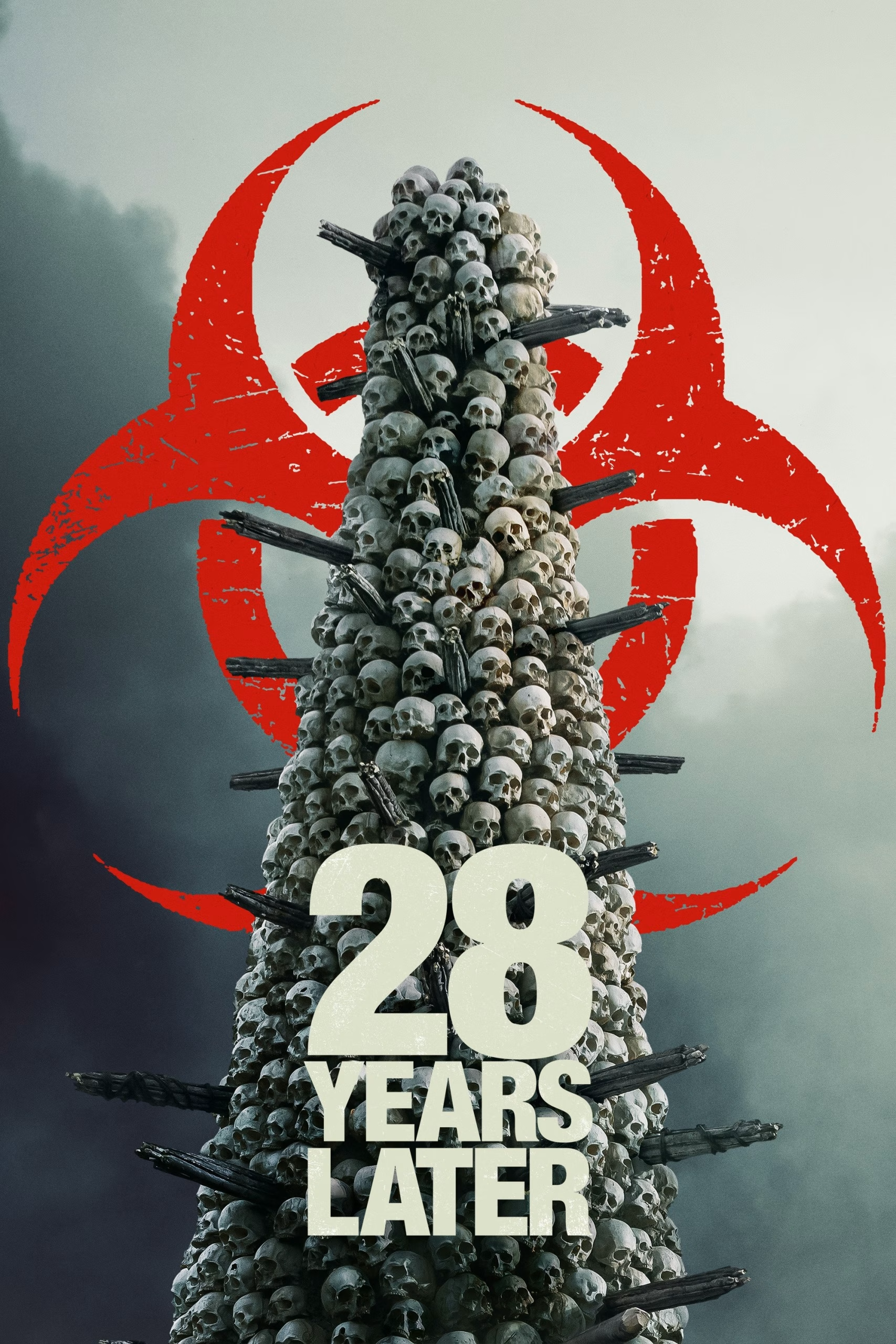
An infected-world story often begins with the breakdown of recognizable routines. 28 Years Later begins from a different kind of dramatic opportunity: a substantial amount of time has passed since the crisis became central to life. People who remember ordinary society may experience the world differently from those who have grown up with danger as a permanent condition. That contrast can alter every decision. One generation might regard isolation as an emergency measure, while another treats it as the usual way to stay alive. The film’s setting invites viewers to ask which rules emerged from actual necessity and which continue mainly because communities have become accustomed to them.
Isolation protects and restricts at the same time
A guarded boundary can keep danger outside, but it can also prevent people from obtaining knowledge, resources and relationships beyond it. That contradiction gives survival drama more than a simple objective of finding a safe place. Characters may disagree about whether the safest course is to remain where they are or accept the uncertainty of travel. Neither choice is automatically foolish. A community that has endured for years may have strong reasons to be cautious, while a changing threat may make older precautions less effective. Watch how leaders explain the restrictions and whether younger characters understand the experiences that produced them. The boundary can become a symbol of collective memory as well as physical defense.
Scarcity makes cooperation a practical question
Food, medical supplies, tools and reliable shelter matter in a world where ordinary systems are disrupted. When something is scarce, a community must decide how to distribute it and who is responsible for replenishing it. Those practical questions can reveal values more clearly than an abstract argument about humanity. A decision to share supplies with a stranger may be generous but dangerous, while refusing help may preserve resources at a moral cost. An effective infected-world narrative recognizes that survival is rarely a completely individual achievement. People need skills and knowledge beyond their own abilities. The tension comes from deciding when cooperation is possible and what safeguards can make it sustainable.
A journey reveals the limits of secondhand knowledge
Characters raised within a protected settlement may know the outside world through warnings, stories and selected examples. Those accounts can be useful, but they may also be incomplete. A journey beyond familiar boundaries creates an opportunity to compare inherited beliefs with direct experience. The danger should not simply prove every warning correct, nor should it invalidate all caution. Good drama allows a character to discover that the world is more complicated than either comforting optimism or absolute fear suggests. Changes in landscape and environmental sound can communicate this process: familiar routes disappear, landmarks become uncertain and decisions must be made before reliable information is available.
Fear of infection changes social trust
An infected threat makes ordinary proximity potentially dangerous. A stranger’s injuries, behaviour or uncertain history may become the basis for a decision about whether they can enter a shelter. Such circumstances can pressure a community to use rules that feel harsh even when their purpose is protective. A thoughtful story distinguishes necessary caution from prejudice or cruelty. How does a group verify a risk? Who has authority to make the call? Are there procedures for reconsidering a mistaken judgment? These questions matter because fear can provide understandable reasons for action while still creating opportunities for abuse. Survival ethics are most compelling when they involve difficult evidence rather than simple moral labels.
The landscape tells a story about elapsed time
A world transformed over decades should contain traces of both abandoned systems and new routines. Structures may be repurposed, transport routes may deteriorate and natural processes may reshape familiar places. Production design can communicate a great deal through those details. The viewer learns how communities have adapted without requiring each character to explain the historical timeline. Notice which objects are carefully maintained and which have been left to decay. Those choices reveal priorities. A working piece of equipment may represent generations of practical knowledge, while an unused road can suggest how thoroughly the patterns of ordinary life have changed.
Hope requires more than escaping a threat
In survival horror, an immediate chase can temporarily narrow the characters’ concerns to the next safe room or route. Over a larger story, however, the question becomes what kind of life remains possible. A community might survive by imposing permanent restrictions, but characters may still want knowledge, companionship, freedom or a different future for their children. Those aspirations make danger meaningful because they give the audience something specific to protect. The most memorable choices are often about responsibilities extending beyond the person making them. A film can be frightening while still asking whether survival without growth is enough to sustain a community over another generation.
A viewing lens beyond the infected
Pay attention to the rules characters have inherited and how they respond when new evidence challenges them. Notice which environments seem genuinely safe and which merely feel familiar. Ask whose expertise is respected and who carries the burden of the community’s decisions. These details can distinguish a long-after-the-outbreak story from one centered on immediate collapse. Visit the 28 Years Later catalogue page for title details and the Peleza Stream film collection for other survival narratives. Legal viewing availability varies by service and region.
Closing perspective
The passage of time makes the premise of 28 Years Later especially useful for exploring the habits that form around fear. Isolation can protect, but it can also narrow a society’s understanding of its possibilities. Through geography, scarce resources and conflicting responsibilities, survival becomes a question not only of avoiding the infected but of deciding what kind of community is worth preserving.