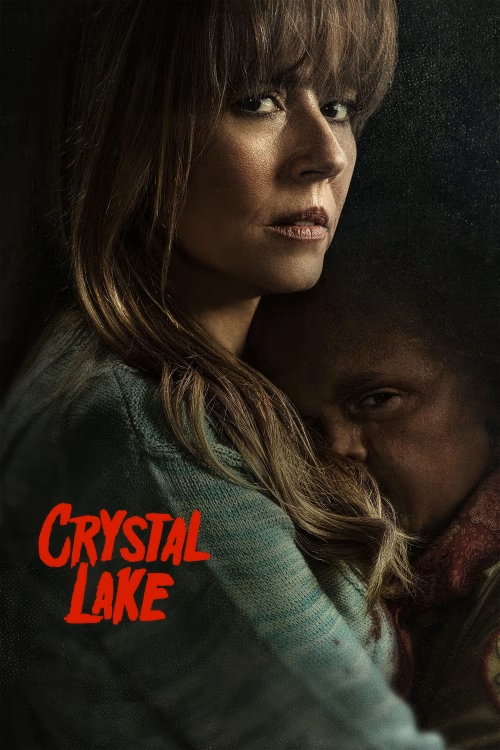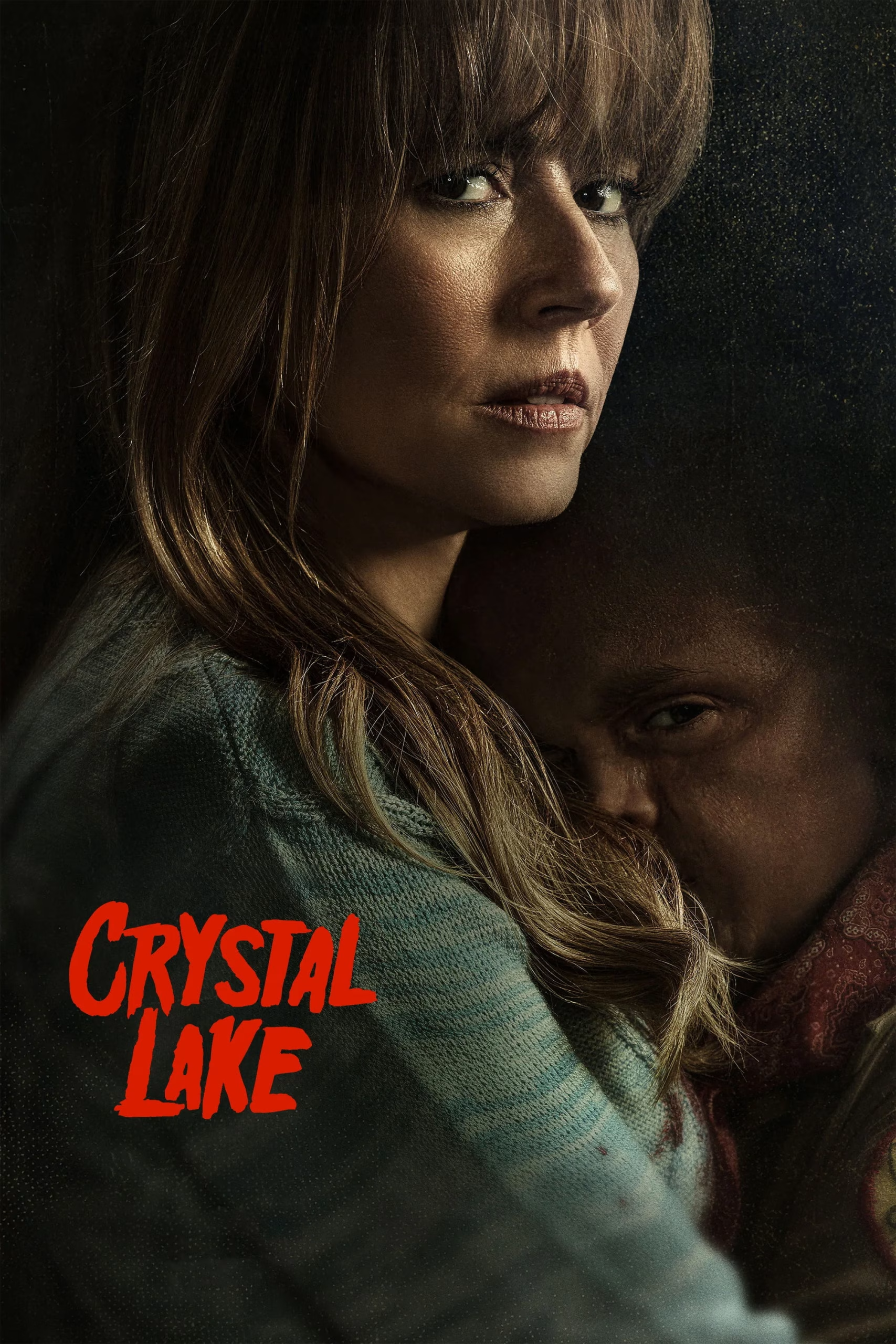
When viewers already recognize a horror franchise, a prequel faces a different challenge from an entirely new story. The audience may know the shape of the later legend without understanding the relationships or decisions that preceded it. Crystal Lake offers a natural opportunity to move the dramatic question from what monster will appear to how a disturbing history takes root. Suspense can emerge from watching people make choices whose wider significance is not yet apparent to them. This approach does not require revealing every famous event in advance. It benefits from letting ordinary concerns become unsettling as the audience recognizes how the pieces might connect to a known horror world.
A location acquires meaning through repetition
A lakeside setting can seem peaceful during daylight and frightening when the same places are seen under different circumstances. Water, wooded paths, cabins and isolated roads provide a familiar physical vocabulary for camp-based horror. In a prequel, the location also has a history that characters may not interpret in the same way as viewers. A place associated with leisure might become tied to a personal loss, a grievance or a story that locals prefer not to discuss. Good production design makes these shifts feel gradual. An area becomes ominous not simply because it looks dark, but because the narrative gives the audience a reason to remember what happened there.
Family relationships can supply the emotional stakes
Slasher films often emphasize pursuit and escape, but the larger legend around Crystal Lake also invites questions about family, attachment and the consequences of grief. A character’s loyalty to a loved one can create empathy while also becoming troubling when it is used to justify harm. That tension is richer than presenting a person as only a future villain. A prequel can explore the ordinary habits and fears that shape a relationship before it becomes inseparable from a horror mythology. The audience should be able to understand emotional motives without being asked to excuse damaging actions. Understanding why someone acts does not remove responsibility for what they do.
Knowing the legend should not eliminate surprise
A familiar franchise creates a challenge because returning viewers may identify certain names, settings or motifs immediately. The series can still produce suspense by emphasizing uncertain relationships, competing accounts and the costs of decisions that fall outside the well-known plot. Predictability becomes a problem when every scene exists only to point toward a famous reveal. A more rewarding approach gives the people in the earlier setting their own concerns and choices. An audience can appreciate the eventual connection while also becoming interested in the immediate drama. The prequel succeeds when the present-tense experiences of its characters matter independently of the mythology they will eventually help create.
Ordinary life makes extraordinary violence more disturbing
Horror benefits from a sense of normality against which danger can be recognized. A community has work routines, arguments, friendships and local traditions long before a frightening event becomes part of its reputation. Showing that life makes the setting more believable and the consequences of violence more meaningful. The audience may notice how characters underestimate a warning because they are busy with concerns that seemed important earlier in the day. Those reactions need not be foolish. People frequently interpret unfamiliar danger through familiar experience. The resulting gap between the audience’s expectations and the characters’ assumptions can create dread without relying on constant jump scares.
A franchise symbol should have a narrative purpose
Horror audiences remember objects, sound cues and recognizable visual patterns. A prequel may incorporate those elements to signal continuity, but recognition alone is a thin reward. A familiar object becomes more powerful when the story explains why it matters to a character or place. A sound cue can suggest an emotional memory instead of merely announcing that fans should applaud. Use of the franchise vocabulary should deepen the fictional history rather than interrupt it. Viewers can enjoy a reference and still ask whether it contributes to the scene. Effective callbacks connect present decisions to later meaning without requiring the entire narrative to become a hunt for Easter eggs.
The most frightening information may be incomplete
An origin story can lose some of its power if every mystery receives a tidy explanation. Horror often depends on uncertainty about motive, memory and the reliability of an account. Different residents might recall a difficult event in conflicting ways, or one generation may inherit only fragments of a story. Such gaps can feel realistic while sustaining tension. The point is not to conceal essential facts arbitrarily; it is to recognize that a community’s understanding of its past may remain unsettled. A series can reveal enough to make choices meaningful while leaving room for discomfort about what can never be fully known. That balance respects the atmosphere of the wider franchise.
How to approach the series without spoilers
Look at the relationship between location, family history and the explanations characters accept for unusual events. Consider how the setting appears before the audience’s expectations make it ominous. Which details belong naturally to the community, and which seem designed only to foreshadow the legend? Watching for that distinction can help evaluate whether the prequel stands as a story of its own. The Crystal Lake catalogue page contains the series listing, while the Peleza Stream series catalogue offers other horror and mystery titles. Release plans should be verified through official announcements rather than inferred from prequel familiarity.
Closing perspective
Crystal Lake has the chance to make an established horror location feel like a community with a history rather than simply a setting for danger. Its strongest material would connect fear to memory, attachment and choices whose consequences outlast the moment in which they were made. For audiences who know the legend, that perspective can restore uncertainty without requiring the series to discard the identity of the franchise.