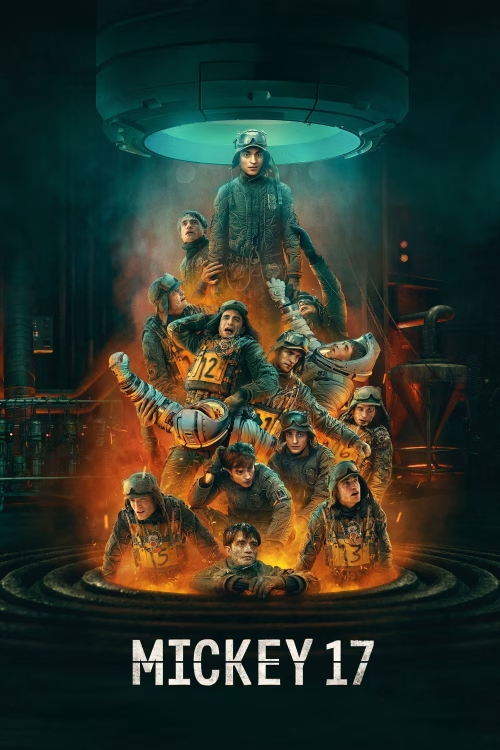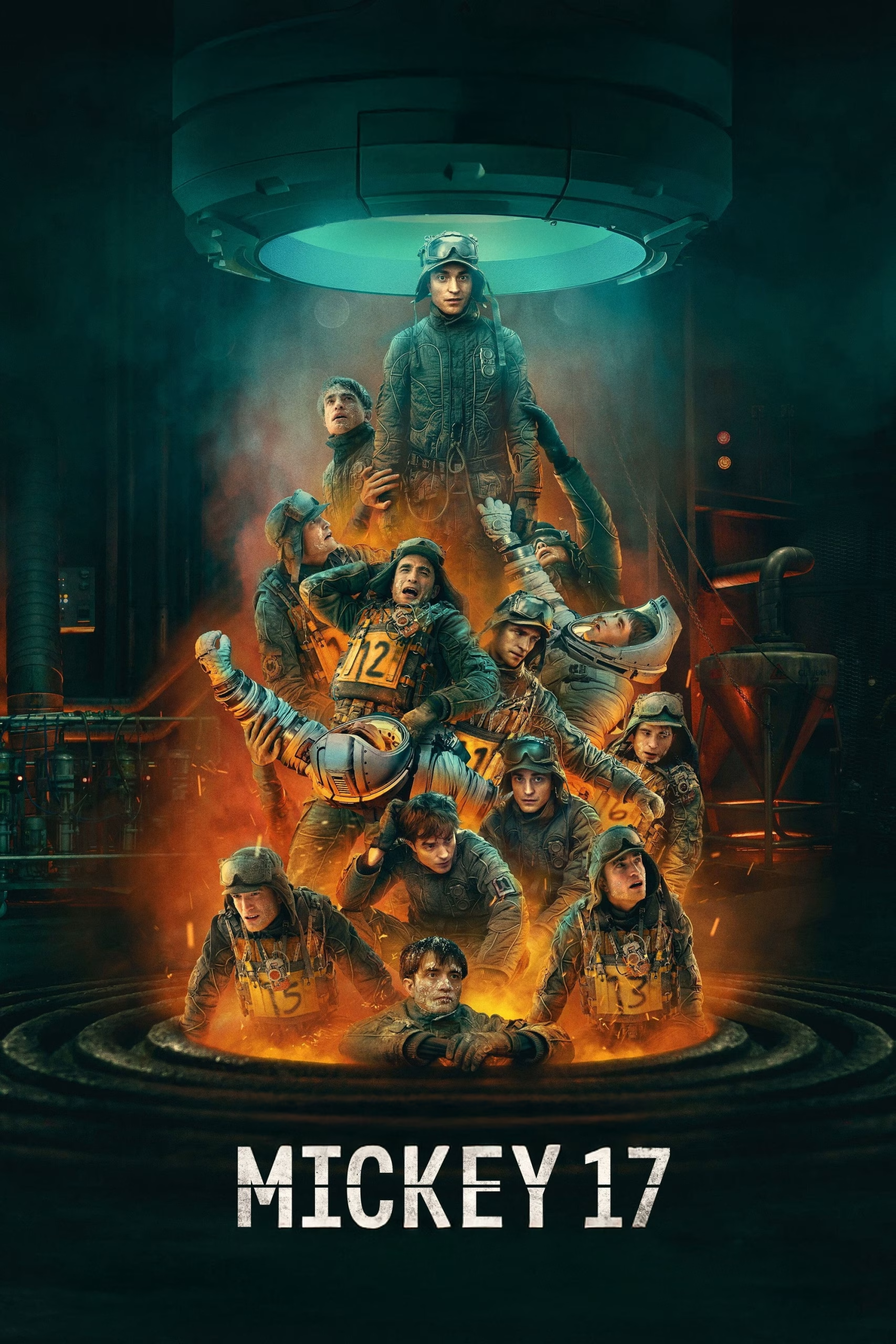
In Mickey 17, the premise of an expendable worker makes a familiar workplace assumption unusually literal: an organization can replace somebody after a dangerous assignment. An agreement to take the job may establish what the worker has been told, but it cannot by itself answer whether the arrangement is just. People accept risks for many reasons, including limited economic options, hope of advancement and pressure from circumstance. Science fiction can make those competing motives visible without turning the plot into a lecture. The central question is not simply whether Mickey signed a document. It is whether the conditions surrounding that choice gave him meaningful control over the use of his own body and future.
The word replaceable conceals individual experience
Organizations often describe positions and procedures with impersonal language. That language can make a dangerous task sound like a routine operational requirement. Yet a person who suffers remains someone with memories, relationships and an experience that cannot be reduced to a personnel number. The technological premise exposes the distance between administrative convenience and human dignity. Notice how people speak about the worker when he is present and when they are discussing him as a resource. Do they recognize fear, pain and the consequences of previous decisions? A recurring identity label can help a bureaucracy keep records while also revealing how little those records capture about the person they describe.
Informed consent requires honest information
An employee may agree to a hazardous role without understanding how management will respond when things go wrong. Ethical consent depends partly on whether risks, alternatives and consequences are explained rather than hidden behind reassuring jargon. Within the film’s world, the unusual process creates questions about what counts as a continuation, what is remembered and who controls the procedure. The narrative does not need to provide a definitive philosophical solution for these questions to matter. Instead, viewers can watch which characters have access to information and whether they use that advantage responsibly. When those who benefit from a procedure also define its acceptable risks, the apparent freedom of the worker deserves careful examination.
A repeatable procedure can normalize harm
Something extraordinary may gradually become routine when an institution performs it often enough. A difficult choice can turn into a checklist, with fewer people stopping to consider its ethical weight. That is where satirical science fiction is particularly effective. The audience recognizes the absurdity of an extreme procedure even while the characters treat it as business as usual. The joke is sharper when the institutional reaction is calm, efficient and morally detached. A process can be technically reliable and still be troubling in its treatment of the people involved. Watch how quickly characters return to ordinary concerns after a supposedly irreversible event, and what that reaction reveals about the system’s priorities.
Identity should be judged beyond a serial number
If a replacement carries memories associated with earlier experiences, the question of continuity becomes difficult. The character may feel attached to promises and relationships formed before the latest physical form existed. Other people, however, may regard the version number as proof that they are dealing with somebody different. Neither perspective is resolved merely by choosing one label. The film’s value lies in creating situations where those beliefs have practical consequences. Who receives loyalty? Who is expected to bear responsibility for an earlier promise? The story can explore whether identity is best understood through memory, recognition, bodily continuity or the ongoing choices an individual makes.
Power determines which risks are acceptable
A society can celebrate dangerous labour while ensuring that the people approving those risks rarely encounter them personally. Mickey’s circumstances invite viewers to compare the position of the worker with that of administrators, leaders and those who benefit from the results. This is not automatically a simple conflict between an evil manager and a perfect employee. Institutional power often operates through incentives and routines that seem sensible from a distance. A character might sincerely believe the system is necessary without ever considering a better alternative. The dramatic tension grows when someone challenges not just a specific assignment but the assumption that another person’s expendability is a legitimate tool of planning.
Humour makes the contradiction difficult to ignore
Dark comedy can reveal a harsh system without softening its effect. An official may describe suffering through polite technical terms; an employee may respond with weary familiarity rather than heroic outrage. That disconnect lets the audience laugh at the absurdity while still understanding the danger. The risk is that repeated jokes could make harm seem weightless, so storytelling needs moments in which choices leave a lasting mark on relationships. The strongest satire turns a funny procedure into a more unsettling observation when its human cost becomes clear. A viewer can appreciate the humour while refusing to adopt the fictional institution’s judgment about what people are worth.
What to notice beyond the scientific mechanism
Instead of asking only whether the technology could exist, consider who controls it and what the organization expects in return. Pay attention to how the arrangement shapes the worker’s opportunities, relationships and ability to refuse a decision. Notice whether characters recognize each other as individuals or speak as if a role has become more important than the person performing it. You can find basic title information at Mickey 17 on Peleza Stream and explore other speculative films in the movie catalogue. Any streaming availability or screening dates should be checked against authorized distributors in your region.
Closing perspective
The moral dilemma at the centre of Mickey 17 is not solved simply because a futuristic contract has been signed. The story asks how institutions define acceptable sacrifice, why technical repeatability can disguise harm and what it means to recognize someone as irreplaceable in a system built around replacements. Those questions give the premise its lasting power beyond the cleverness of its science-fiction mechanism.