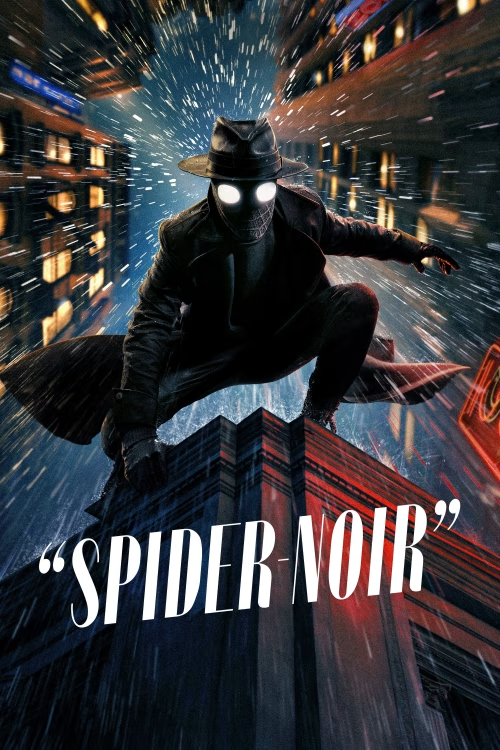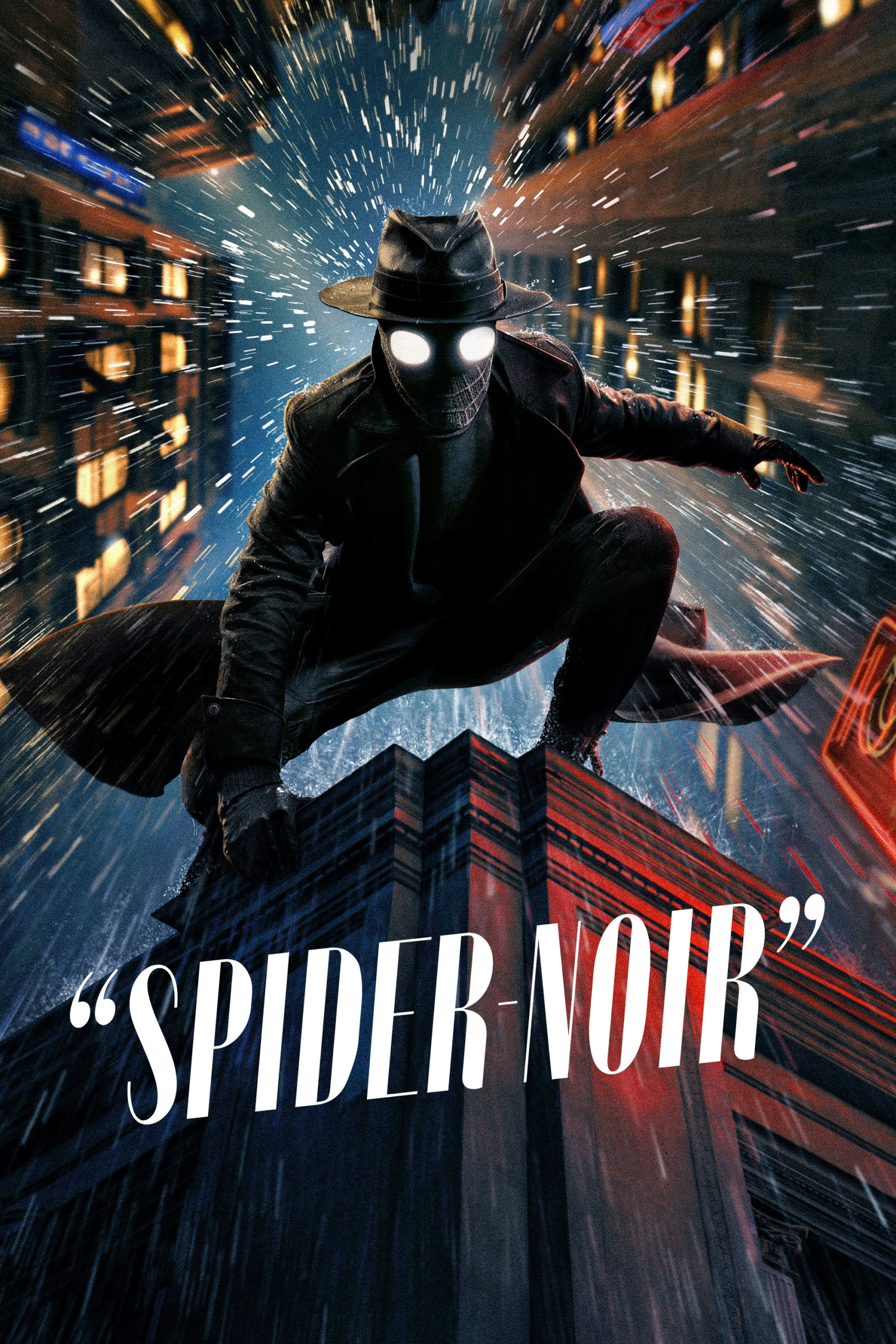
A conventional superhero story often begins with a threat that can eventually be confronted in public. Detective noir tends to begin with a question whose answer is obscured by conflicting accounts, private motives and uneasy alliances. Spider-Noir provides an opportunity to combine the two approaches. Extraordinary ability does not remove the need to investigate, interpret behaviour or decide which witness deserves trust. The hero’s problem may be as much about understanding a city’s hidden relationships as about winning a fight. That shift can make familiar superhero traits feel new, because the character must navigate a world where seeing the danger is not the same as knowing who created it.
A period setting gives the city a particular logic
Setting a detective story in a historical version of New York changes communication, transport, policing and the ways information moves through society. A protagonist cannot rely on contemporary smartphones or digital surveillance to resolve every uncertainty. Meeting a source or tracing a lead becomes a physical journey. The city also offers distinct architecture, public spaces and social divisions that can influence who is visible and who goes unnoticed. Period detail is not valuable only because it looks stylish. When carefully handled, it creates practical restrictions and opportunities that shape the investigation. Viewers should watch whether the chosen era actually changes the characters’ methods rather than serving merely as a costume collection.
Shadows can represent incomplete knowledge
Noir is often associated with hard contrasts, reflections and faces partly hidden by darkness. Those choices can create atmosphere, but their best use is connected to what the story reveals. A room may conceal someone’s expression while a streetlight briefly exposes a revealing detail. An apparently empty hallway can become ambiguous when the composition keeps part of it out of view. The visual design encourages the audience to infer information, just as a detective must. Shadow is therefore more than decoration: it can turn uncertainty into a spatial experience. The strongest imagery is readable enough to guide attention while still allowing mystery to remain where the story needs it.
A detective can be competent and still make mistakes
The superhero genre sometimes makes its protagonists feel nearly infallible in combat. Noir provides room for another kind of weakness: a character may misjudge someone, follow a misleading clue or allow personal disappointment to affect an investigation. That vulnerability can deepen the drama without requiring the hero to lose every physical confrontation. A detective learns by revising an explanation when new evidence appears. Look for scenes where the protagonist has to abandon a convenient assumption rather than simply endure more danger. Intellectual humility becomes a form of courage. The city feels more believable when information is imperfect and even an unusually capable investigator must work to understand other people’s choices.
Moral ambiguity should not erase accountability
Noir environments often contain compromised institutions and people with competing loyalties. This does not mean that every choice is equally defensible. A thoughtful series can show why a character hides information without treating all deception as harmless, or why an official feels pressure without excusing abusive conduct. The protagonist’s challenge is to decide what can be proved and what responsibilities follow from that knowledge. Such conflicts are particularly interesting when the hero has powers unavailable to ordinary investigators. Power offers possibilities, but it also raises questions about intrusion, restraint and the consequences of acting on suspicion before the evidence is clear.
Voice and narration can reveal a troubled perspective
Classic detective stories sometimes use a reflective narrative voice that explains what the protagonist believes about the city and the people within it. If a series adopts that convention, narration can do more than provide exposition. It can reveal a gap between the hero’s confident description and the uncertainty visible in the scene. A self-deprecating observation may disguise fear; a cynical remark may reveal disappointment rather than superior judgment. The interesting question is whether the visual story confirms the narrator or challenges their interpretation. Audiences should have room to evaluate what they see rather than accepting every spoken conclusion as objective fact.
Action can grow from the logic of an investigation
A chase is more engaging when it follows from a clue or forces a character to choose what evidence to preserve. An encounter with danger may interrupt an interview, prevent a witness from speaking or reveal that somebody is trying to control the investigation. In that framework, action changes what the hero knows. A fight that does not affect the mystery may still be exciting, but it contributes less to the overall structure. Watch how each major physical event changes the questions the protagonist asks next. The relationship between action and inquiry is what can distinguish noir-inspired superhero television from an ordinary action series with darker lighting.
How to enjoy this blend of genres
Approach Spider-Noir with attention to what the hero knows, which assumptions guide the inquiry and how the period setting affects a clue. Notice where the camera places important details in relation to the shadows and whether a seemingly trustworthy figure changes meaning after further evidence. Comparing those techniques with other mysteries can reveal why noir remains influential. Visit the Spider-Noir series page for title information, or explore Peleza Stream Series for other detective programmes. Specific episode details and release availability should be verified through official providers rather than inferred from the catalogue.
Closing perspective
Spider-Noir has a distinctive dramatic opportunity because detective storytelling makes uncertainty as important as physical danger. A troubled investigator, a city with hidden loyalties and an era with different investigative tools can all influence the hero’s decisions. When noir style serves those conflicts, shadows and period details become part of the story’s logic rather than simply a striking visual filter.