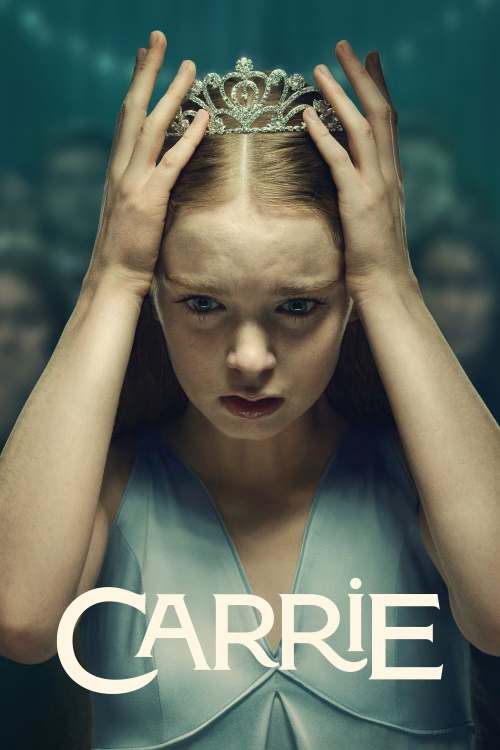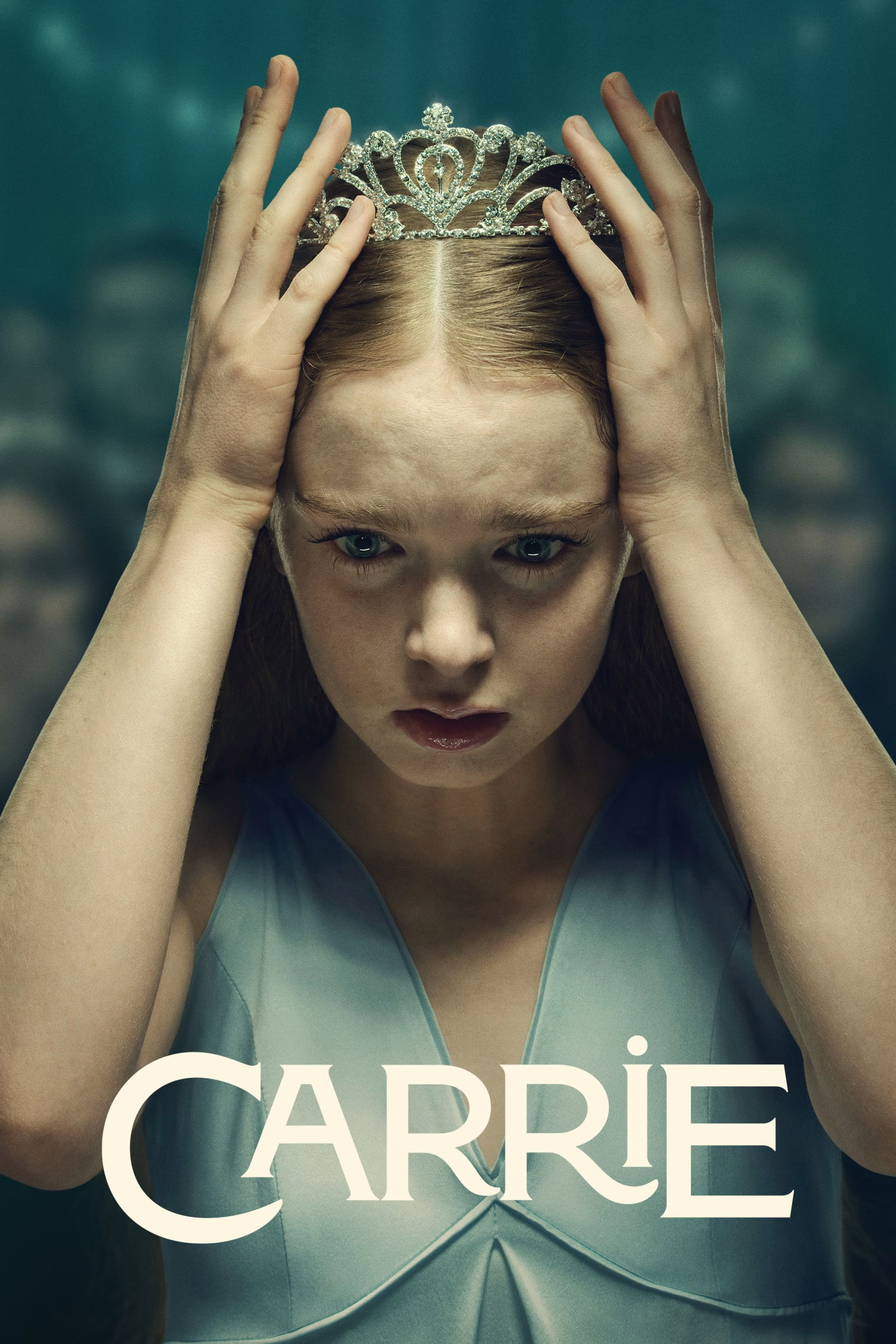
The emotional centre of Carrie is the difficulty of growing into independence when important parts of everyday life feel threatening. School is supposed to provide learning and social connection; home is supposed to offer safety. In a story shaped by exclusion and fear, both institutions can become places of control. A television adaptation has the opportunity to explore how those pressures accumulate across ordinary days rather than only at a few famous moments. The resulting horror is grounded in the consequences of humiliation, isolation and a desperate need for understanding. This analysis considers the premise rather than claiming details about unaired episodes or production decisions.
School establishes public rules about belonging
A school is a social environment in which reputation can change quickly. Teenagers may be judged by appearance, family circumstances, behaviour or an embarrassing moment that spreads further than they intended. A story like Carrie becomes unsettling when ordinary peer pressure turns into a sustained experience of exclusion. The danger is not limited to one cruel interaction. Repeated embarrassment can reshape how a person expects others to respond, making even apparently neutral situations feel threatening. A longer television narrative could show those patterns through classrooms, corridors and relationships rather than treating bullying as a single event that exists only to move the plot forward.
Home can intensify rather than relieve uncertainty
When outside relationships are difficult, a character might normally seek comfort from family. Carrie complicates that expectation by placing additional pressure within the household. Rules, beliefs and parental authority can become sources of fear when they leave little room for questions or personal development. A domestic setting can be frightening without resembling a traditional haunted house. The viewer understands that the character has limited spaces in which to relax and form an independent identity. The contrast between public humiliation and private control gives the story emotional intensity. Both environments shape what Carrie believes is permitted, possible and dangerous.
Supernatural ability changes the power balance
The introduction of extraordinary power can alter a character’s immediate circumstances, but it does not automatically resolve the isolation that preceded it. A person who has spent years with little social influence may struggle to understand the ethical limits of newfound strength. That tension makes the supernatural element meaningful rather than arbitrary. Power can offer a fantasy of escape while amplifying unresolved fear and anger. Good horror asks what a character will do with a new capability and how their environment influences that decision. The suspense comes from watching ordinary emotional pressures interact with consequences that are no longer ordinary.
Isolation changes the meaning of friendship
For somebody who feels excluded, a small kindness can carry disproportionate emotional weight. Yet the desire to be accepted can also make it difficult to distinguish genuine care from curiosity, obligation or manipulation. A series format may allow relationships to develop over time, giving viewers a fuller understanding of why trust is hard to establish. A character does not need to be permanently suspicious to make the dilemma believable. A hopeful response to friendship can be moving precisely because disappointment would be costly. Look for situations where a supportive gesture is backed by consistent behaviour rather than by reassuring words alone.
The perspective of other students matters
A story about cruelty risks becoming simplistic if classmates appear only as anonymous bullies or victims. Different students may participate, remain silent, object privately or change their behaviour according to who is watching. Showing those distinctions can illuminate the social conditions that allow exclusion to continue. A person may not initiate harm but may fear the consequences of refusing to join in. That tension creates morally meaningful choices for supporting characters. Television storytelling could use recurring relationships to explore how responsibility is distributed through a group. The point is not to excuse cruelty, but to show how it becomes normalized and what genuine resistance requires.
Religious language and family expectations require care
Beliefs and moral language can shape a household’s understanding of behaviour, shame and obedience. In a story involving controlling authority, the important question is how those ideas are applied to a child and how they affect her ability to interpret the world. A thoughtful adaptation need not treat everyone who belongs to a religious community as identical. It can focus on the particular characters and practices presented in the fiction. Nuance helps distinguish personal devotion from coercive control. That distinction makes the domestic conflict more credible and prevents the story’s symbolism from collapsing into a broad, unsupported judgment about real people.
Horror becomes memorable when consequences feel earned
Spectacular events can dominate audience memory, but their impact depends on what the story has established before them. If the viewer understands Carrie’s longing for ordinary acceptance and the pressures surrounding her, later danger acquires tragic weight. The genre then operates through cause and consequence rather than through shocking imagery alone. A television series has room to examine how apparently minor decisions accumulate. One comment, a withheld apology or a public humiliation can affect choices made days later. That cumulative structure can make supernatural horror more intimate while preserving the extraordinary nature of the threat.
A responsible way to approach the adaptation
Watch the relationships around Carrie rather than treating her power as the only subject. Consider where characters have opportunities to show empathy, where they choose silence and how institutional authority shapes their behaviour. Remember that a television adaptation may interpret familiar source material differently; do not assume every event must follow earlier versions. Visit the Carrie series page for current catalogue details, and browse other series on Peleza Stream for related themes. Release information and legitimate viewing options should be verified with the official distributor or platform.
Final perspective
Carrie remains a fertile premise because it connects extraordinary power to recognizable experiences of vulnerability. The school and home settings create pressures that leave a young person little room to define herself. A thoughtful television approach can explore those pressures through relationships and choices, ensuring that horror grows from human stakes rather than treating humiliation as a mere setup for spectacle.